Tran Quoc Pagoda
Hanoi, Vietnam
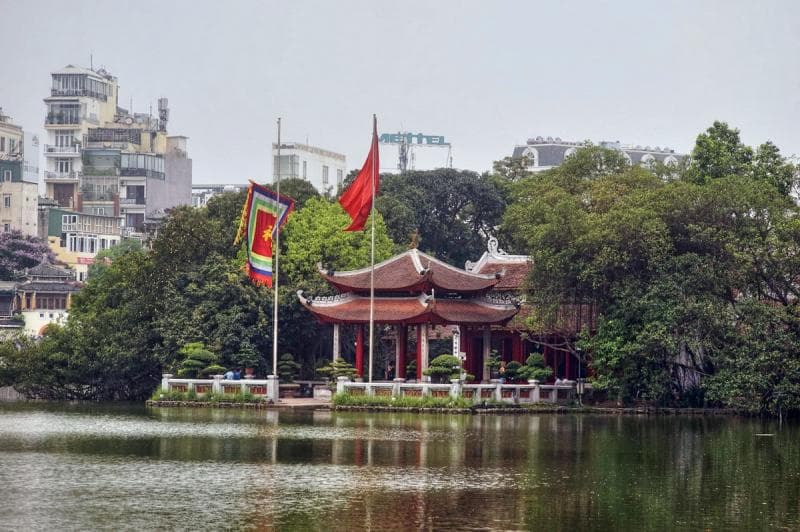
Explore Tran Quoc Pagoda, Hanoi's oldest Buddhist temple on West Lake. Discover its 1,500-year history, stunning architecture, and spiritual significance in Vietnam.
Overview
Nestled gracefully on an islet within West Lake, Tran Quoc Pagoda stands as Hanoi's oldest Buddhist temple, a serene sanctuary amidst the vibrant pulse of Vietnam's capital city. With a history spanning over 1,500 years, this revered site is a profound symbol of Vietnamese Buddhism, captivating visitors with its ancient architecture, spiritual ambiance, and picturesque surroundings. Its striking beauty and cultural significance have earned it recognition, notably being listed among the world's most beautiful pagodas by international publications. The pagoda's location, connected by a causeway along Thanh Nien Street, offers breathtaking views of both West Lake and Truc Bach Lake, creating a tranquil escape that harmoniously blends nature with spiritual heritage.
History & Cultural Background
The origins of Tran Quoc Pagoda trace back to the 6th century, during the reign of Emperor Ly Nam De (544–548 AD), when it was first constructed under the name Khai Quoc Pagoda, meaning 'National Founding'. Initially situated on the banks of the Red River, the pagoda was a prominent Buddhist center of the Thang Long Imperial Citadel. However, due to the river's erosion, it was meticulously relocated in 1615 to its current peaceful home on Kim Ngu (Golden Fish) Islet in West Lake. The pagoda underwent several renamings throughout its long history, eventually adopting the name Tran Quoc during the reign of King Le Hy Tong (1681–1705). 'Tran Quoc' translates to 'Protecting the Nation', reflecting the temple's enduring role in safeguarding the country's spiritual well-being and symbolizing peace for the capital. Throughout various dynasties, including the Ly and Tran, it remained a vital hub for Buddhist teachings and a favored destination for kings and royal families during festivals and important religious observances.
What Makes It Special
What truly distinguishes Tran Quoc Pagoda is its remarkable blend of historical depth, architectural elegance, and its idyllic lakeside setting. The most iconic feature is the 11-story stupa, known as Bao Thap Luc Do Dai Sen, which stands approximately 15 meters tall. Built in 1998, each level of this hexagonal tower features vaulted windows, housing a statue of Amitabha Buddha carved from precious stone, culminating in a nine-layered lotus structure at its pinnacle, symbolizing purity and enlightenment. The pagoda's architectural complex follows traditional Vietnamese Buddhist design, featuring intricate carvings, red lacquer, and gilded decorations that adorn its main hall and various worship areas. It also houses a significant collection of ancient Buddhist statues, including a revered Reclining Buddha statue, considered a masterpiece of Vietnamese sculptural art. Beyond its physical structures, its recognition as a National Historical and Cultural Monument in 1989 and its inclusion in lists of the world's most beautiful pagodas underscore its unique appeal and profound cultural value.
Stories, Fun Facts & Local Details
Tran Quoc Pagoda is rich with stories and cultural nuances. Its initial name, Khai Quoc, signified the 'founding of the nation', a testament to its ancient origins alongside the formation of Vietnam itself. The name change to Tran Quoc further emphasizes its historical significance as a protector of the realm. A particularly moving detail is the sacred Bodhi tree within the pagoda grounds. This tree is a cutting from the original Bodhi tree in Bodh Gaya, India, under which Siddhartha Gautama attained enlightenment. It was gifted to Tran Quoc Pagoda in 1959 by Indian President Rajendra Prasad during his visit to Vietnam, symbolizing the deep spiritual ties between the two nations. The pagoda's long history is further documented by ancient steles, one dating back to 1639, that chronicle its renovations and Buddhist influence over centuries. For centuries, it served as a spiritual retreat for Vietnamese royalty and continues to be a vibrant center for Buddhist worship, especially on the 1st and 15th days of the lunar month and during important festivals.
Visitor Perspective
A visit to Tran Quoc Pagoda offers a tranquil and enriching experience for travelers. Entry to the pagoda is free, inviting everyone to explore its sacred grounds. To show respect for this active place of worship, visitors are encouraged to dress modestly, ensuring shoulders and knees are covered. While the pagoda welcomes visitors daily, it is generally open from approximately 8:00 AM to 4:00 PM, with extended hours on the 1st and 15th days of each lunar month, which can be a particularly vibrant time to witness local religious practices. Many visitors find that 30 to 60 minutes is sufficient to absorb the serene atmosphere and admire the architecture, though photography enthusiasts or those seeking deeper contemplation might wish for more time. The pagoda's location on Thanh Nien Street makes it easily accessible by taxi, motorbike, or bus from Hanoi's city center. The early morning or late afternoon are often recommended for visits, offering both a quieter experience and the opportunity to witness stunning sunsets over West Lake, with the pagoda's silhouette reflected on the water.
Coordinates: 105.83676, 21.0479
View on Google Maps💬 How Travelers Describe This Place
Based on community votes
Beautiful
982Interesting
876Photogenic
648Unique
235Must See
197
Traveler Stories
Discover memorable experiences shared by travelers who have visited this place.
No traveler stories yet.
Be the first traveler to share what made this place memorable.

Tour
By
Spot
Discover amazing places around the world. Your journey starts here.
Explore
© 2026 TourBySpot. All rights reserved.