Traditional Houses
Jakarta, Indonesia
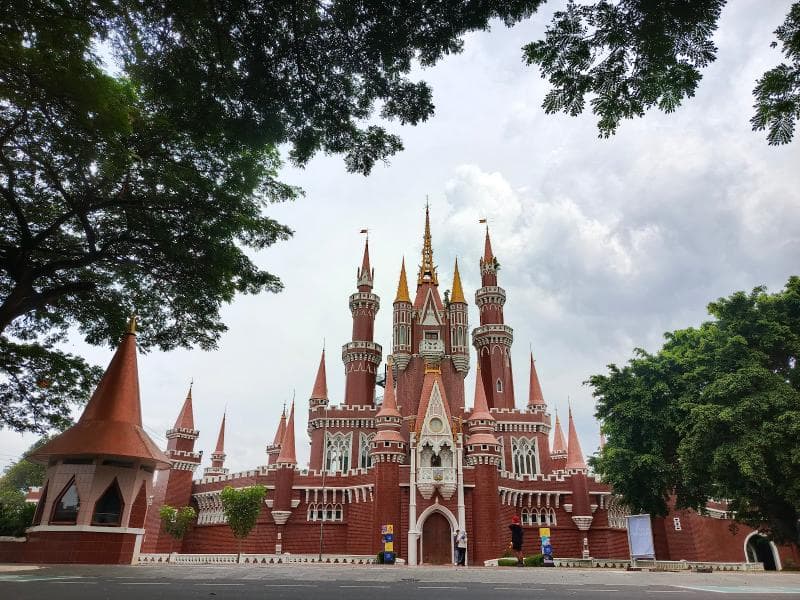
Explore Indonesia's diverse cultural heritage at Taman Mini Indonesia Indah's Traditional Houses in Jakarta. Discover unique architecture and traditions.
Overview
Deep within the sprawling urban tapestry of Jakarta, Indonesia, lies a captivating destination that encapsulates the vast cultural richness of the archipelago: Taman Mini Indonesia Indah (TMII). At its heart, the 'Traditional Houses' sub-spot, known locally as Anjungan Daerah or Regional Pavilions, offers a living exhibition of Indonesia's diverse architectural heritage. This unique attraction gathers meticulously recreated traditional houses, or rumah adat, from all 34 provinces of Indonesia, creating a microcosm of the nation's cultural landscape. Each pavilion is not merely a structure but a vibrant showcase of the specific region's identity, local wisdom, and profound cultural depth.
As you wander through this expansive outdoor museum, you'll embark on a journey across Indonesia without leaving the capital city, experiencing the distinctive styles, materials, and philosophies embedded in each traditional dwelling. It is a powerful testament to the country's motto, 'Bhinneka Tunggal Ika'—Unity in Diversity.
History & Cultural Background
The visionary idea for Taman Mini Indonesia Indah originated with Indonesia's first lady at the time, Siti Hartinah, more familiarly known as Ibu Tien Suharto. Inspired by a desire to foster national pride and provide an accessible platform for Indonesians to understand their own diverse heritage, she initiated the 'Indonesian Miniature Project' in 1972. The park was officially inaugurated on April 20, 1975. Initially, TMII featured pavilions representing 26 or 27 provinces, reflecting the administrative divisions of Indonesia at the time. As the number of provinces grew, new pavilions were added, ensuring that the park continued to accurately represent the evolving administrative and cultural map of Indonesia.
The creation of these traditional houses was a monumental effort, aiming not just to reconstruct the homes but also to present a realistic model of the environments and ways of life of Indonesia's various peoples. This ambitious project underscored a deep commitment to cultural preservation and education, serving as a vital center for understanding the archipelago's rich past and present.
What Makes It Special
The 'Traditional Houses' at Taman Mini Indonesia Indah are far more than simple architectural replicas; they are immersive cultural centers. Each pavilion is carefully constructed using traditional materials and techniques, ensuring authenticity in every detail. Visitors can step inside these homes to observe interior decorations, furniture, utensils, and traditional costumes, gaining a tangible sense of daily life in different regions. Beyond static displays, many pavilions host cultural performances, such as traditional dances, music, and puppet shows, bringing the heritage to life.
The diversity is astounding, showcasing architectural marvels like the majestic Rumah Gadang of West Sumatra, with its sweeping buffalo-horn roofs; the elegant Javanese Joglo, known for its pyramidal roof and intricate carvings; and the unique Tongkonan of the Torajan people in South Sulawesi, with its boat-shaped structure. Each house narrates a story of adaptation to climate, social structure, and spiritual beliefs, making the collection a rich tapestry of human ingenuity and cultural expression.
Stories, Fun Facts & Local Details
Every traditional house within TMII holds layers of stories and cultural significance. For instance, the Javanese Joglo, often found in the Central Java and Yogyakarta pavilions, embodies strong philosophical meanings, with its tiered roofs and open-plan living reflecting hierarchy and community. The Rumah Gadang of West Sumatra, predominantly matrilineal, is not just a dwelling but a symbol of family identity and ancestral pride, often adorned with vibrant red, gold, and black carvings.
A touching fun fact about these pavilions is their role as a 'home away from home' for many Indonesians. During holiday periods, particularly Eid al-Fitr (Lebaran), the traditional house pavilions become a favorite spot for families who cannot travel to their ancestral villages. They gather here to reconnect with their regional heritage, take photographs in front of their respective rumah adat, and experience a sense of 'returning home.' This highlights the deep emotional connection many Indonesians have to their traditional architecture and cultural roots.
Visitor Perspective
For visitors, exploring the Traditional Houses at Taman Mini Indonesia Indah is an unparalleled educational and cultural experience. It offers a convenient and comprehensive introduction to Indonesia's vast diversity, making it an excellent starting point for understanding the country's complexity before delving into individual regions. School groups frequently visit the Regional Pavilions, utilizing them as an invaluable educational resource to learn about the country's heritage. The pavilions also serve as venues for provincial governments to hold community gatherings and traditional ceremonies, allowing visitors to witness authentic cultural practices.
Walking through these distinct architectural styles, from the Balinese house compounds with their intricately carved gates to the tribal houses of Papua, offers a rare opportunity to appreciate the harmony between people and nature and the profound philosophies encapsulated in each structure. The ability to immerse oneself in so many cultures in one accessible location makes the Traditional Houses of TMII a truly special and memorable destination for any curious traveler.
Coordinates: 106.89667, -6.30167
View on Google Maps💬 How Travelers Describe This Place
Based on community votes
Must See
934Beautiful
276Photogenic
152Unique
30Interesting
16
Traveler Stories
Discover memorable experiences shared by travelers who have visited this place.
No traveler stories yet.
Be the first traveler to share what made this place memorable.

Tour
By
Spot
Discover amazing places around the world. Your journey starts here.
Explore
© 2026 TourBySpot. All rights reserved.