Traditional Costumes
Vientiane, Laos
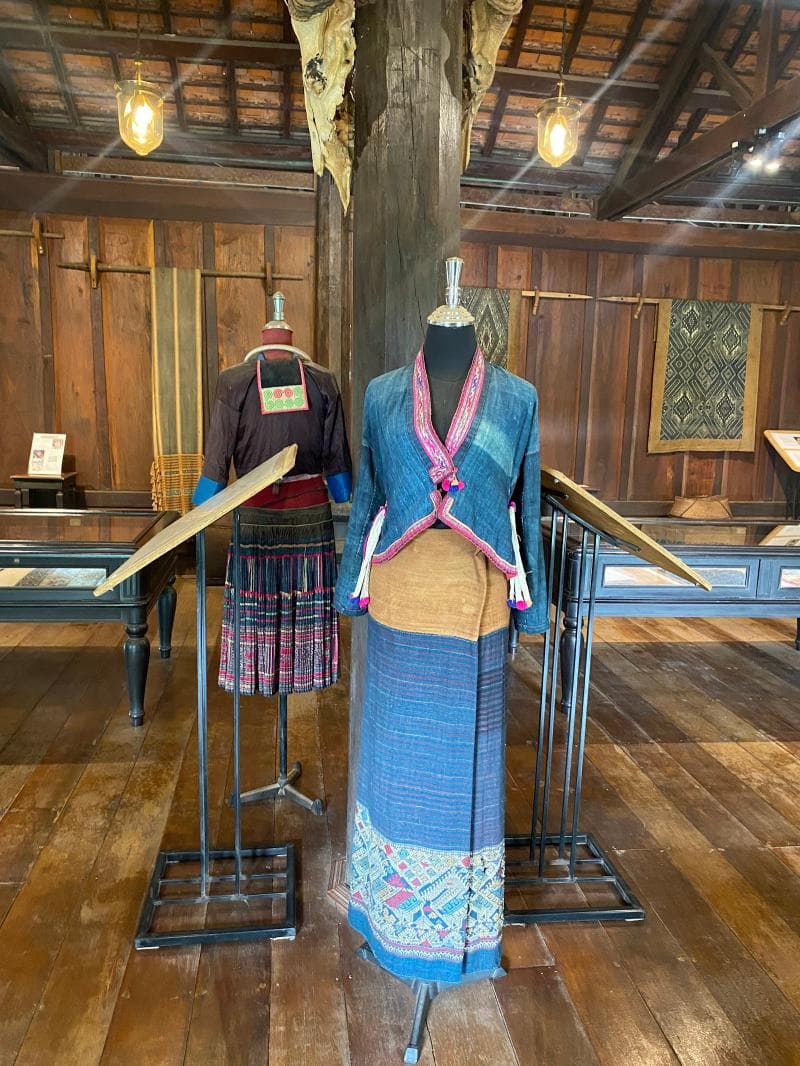
Explore the Traditional Costumes exhibit at the Lao National Museum in Vientiane, Laos. Discover the history, cultural significance, and artistry of traditional Lao attire like the Sinh and Salong.
Overview
Stepping into the Lao National Museum in Vientiane offers a profound journey through Laos' rich cultural tapestry, and the Traditional Costumes exhibit stands as a vibrant testament to the nation's diverse heritage. This special sub-spot within the museum provides a captivating glimpse into the sartorial traditions that have shaped Lao identity over centuries. It showcases how clothing is far more than just attire; it's a living archive of history, spirituality, and artistic expression for Laos' many ethnic groups [3, 5, 11].
Visitors can explore an array of traditional dresses, tools, and household items that reflect the daily life and customs of various communities, including the Lao Loum, H'Mong, and Khmu [3, 5]. The exhibit underlines the cultural richness of Laos, allowing one to appreciate how distinct ethnic communities have contributed to the country's unique identity [3].
History & Cultural Background
Lao traditional clothing and textiles are deeply intertwined with the country's history and cultural identity, with the art of weaving passed down through generations [10, 13]. These textiles are central to daily life, ceremonies, and even symbolize social status and religious beliefs [10, 13, 14]. For women, the iconic garment is the 'Sinh', a traditional tube-shaped skirt, often made of silk and adorned with intricate designs [6, 12, 17]. Men traditionally wear a 'Salong', a loose-fitting shirt and pants, typically made from cotton or silk [6].
The cultural significance of traditional Lao textiles extends to their use in special ceremonies like weddings and religious festivals, serving as a way to connect with Lao heritage and express cultural pride [6, 15]. Buddhism, the predominant religion in Laos, heavily influences the colors, patterns, and symbols found on the Sinh, often reflecting themes of enlightenment and compassion [12]. Additionally, animism, an ancient spiritual belief system, impacts designs that depict elements from nature, such as lotus flowers symbolizing purity or naga serpents believed to offer protection [12].
What Makes It Special
What truly sets the Traditional Costumes exhibit apart is the meticulous craftsmanship and the profound storytelling embedded within each garment [12, 15]. The Sinh, in particular, is a wearable work of art, a harmonious fusion of nature and mythology [12]. Each Sinh is composed of three main parts: the 'hua sinh' (waistband), 'phuen sinh' (body), and the highly elaborate 'tin sinh' (hem) [15, 17]. The hem is where weavers demonstrate their greatest skill, incorporating complex motifs using techniques like supplementary weft (chok) [15]. These motifs often signify the wearer's origin, social status, and artistic taste [15, 17].
Common motifs include the 'Naga', a mythical river serpent or dragon, symbolizing protection, fertility, and the life-giving power of the Mekong River, often woven into the hem for protection [12, 15]. The 'Siho', a mythical creature with a lion's body and an elephant's head, represents strength and prosperity [15]. The diversity is striking, as different ethnic groups in Laos have their own variations of the Sinh, each featuring distinct patterns, colors, and designs that reflect their unique heritage [12, 13].
Stories, Fun Facts & Local Details
Beyond their aesthetic appeal, traditional costumes hold deep cultural narratives and practical significance. For instance, the 'Pha Khao Lao', a textile commonly used as a sash during Lao New Year celebrations, is believed to protect the wearer from harm and bring good luck [6]. The designs on the 'Pha Khao Lao' often depict important Buddhist symbols, imbuing them with spiritual meaning [6].
While Western fashion is prevalent in cities, the Sinh and Salong are still worn daily in rural areas and for special occasions such as weddings, temple visits, and the Lao New Year [13, 17]. Some schools even maintain traditional dress as a uniform, fostering pride and respect for Laos' age-old customs [17]. The weaving of these textiles also serves as a vital economic opportunity for many women in rural communities, with products sold in local markets and sometimes exported [10]. This demonstrates how traditional clothing supports both cultural preservation and sustainable livelihoods [10].
Visitor Perspective
For the curious traveler, the Traditional Costumes exhibit at the Lao National Museum offers an invaluable opportunity to engage directly with the soul of Laos. It's a chance to witness the intricate beauty of Lao textiles and understand their profound cultural context [5, 9]. The displays of traditional dress, alongside other artifacts reflecting daily life, help visitors connect with the traditions, revolutionary history, and national identity of Laos [3, 5, 7].
While exploring the museum's comprehensive journey through Lao history, from ancient times to the present day, the traditional costumes serve as a colorful and engaging highlight [3, 11]. The exhibit is designed to provide insight into the unique clothing, language, and ways of life of various ethnic groups, offering a comprehensive look at Lao culture and traditions [5]. This deep dive into the artistry and symbolism of traditional attire enriches any visit, leaving travelers with a deeper appreciation for the country's vibrant heritage.
Coordinates: 102.64529, 18.00768
View on Google Maps💬 How Travelers Describe This Place
Based on community votes
Beautiful
873Interesting
477Unique
422Photogenic
157Must See
53
Traveler Stories
Discover memorable experiences shared by travelers who have visited this place.
No traveler stories yet.
Be the first traveler to share what made this place memorable.

Tour
By
Spot
Discover amazing places around the world. Your journey starts here.
Explore
© 2026 TourBySpot. All rights reserved.