Traditional Bread Area
Dushanbe, Tajikistan
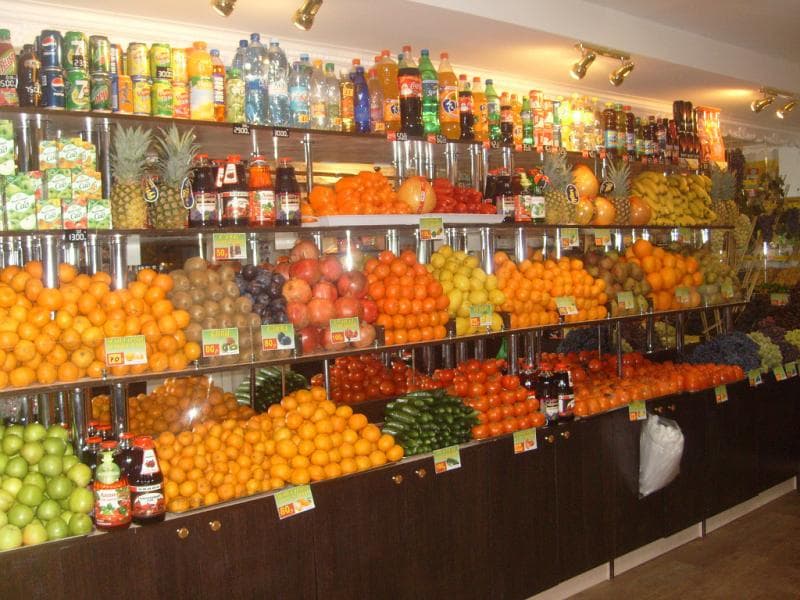
Explore Dushanbe's Mehrgon Market Traditional Bread Area. Discover sacred Tajik 'non' bread, tandoor baking, and cultural traditions in Tajikistan.
Overview
The Traditional Bread Area within Dushanbe's Mehrgon Market offers a captivating glimpse into the heart of Tajik culinary traditions. Nestled inside the grand, palace-like structure of Mehrgon Market, this bustling section is dedicated to the art and culture of 'non,' the revered Tajik flatbread. Here, the air is perfumed with the warm, yeasty scent of freshly baked bread, providing an immediate sensory immersion into local life. It's a place where ancient baking techniques meet the vibrancy of a modern market, allowing visitors to witness the creation of various traditional breads, from simple round loaves to intricately patterned masterpieces.
Mehrgon Market itself, a magnificent three-story edifice opened in 2014, replaced older, less structured bazaars, bringing an organized yet authentic shopping experience to Dushanbe. While the market features an array of goods including fresh produce, spices, and dried fruits, the Traditional Bread Area stands out as a focal point, symbolizing the deep cultural significance of bread in Tajikistan.
History & Cultural Background
Bread, or 'non' (also known as 'naan'), holds an exceptionally sacred and central position in Tajik culture, far beyond being a mere food item. It is considered a symbol of hospitality and life itself. The tradition of bread-making in Tajikistan stretches back centuries, with methods and recipes passed down through generations. This deep reverence is reflected in numerous customs: bread is never thrown away, placed on unclean surfaces, or set upside down, as doing so is believed to bring bad luck. If a piece falls, it is respectfully placed on a high ledge for birds or the needy, ensuring it is never wasted.
The cultural significance is so profound that a common Tajik saying notes that if a person has food but no 'non,' they effectively have no food at all. This highlights its indispensable role at every meal. The very act of baking non, traditionally done in a 'tanur' (a clay tandoor oven), is a time-honored craft. Historically, cities like Dushanbe, whose name translates to 'Monday' (referring to the traditional market day), have always revolved around their bustling marketplaces, making the Mehrgon Market a contemporary continuation of this ancient trading heritage.
What Makes It Special
What sets the Traditional Bread Area apart is the living spectacle of bread-making. Visitors can observe skilled bakers, often men due to the physical demands of kneading hundreds of loaves daily, meticulously preparing and baking 'non' in traditional clay 'tanur' ovens. The bread is not just food; it's a form of edible art. Each round loaf is often adorned with unique, intricate patterns created using a special wooden stamp called a 'chekich' before being slapped onto the scorching inner walls of the tandoor.
The variety of breads available is astonishing. Beyond the staple 'obi-non' (water bread), one can discover 'kalama,' a flaky puff pastry-like bread; 'fatir,' another flaky bread enriched with oil or fat; 'kulcha-non,' miniature naan loaves; and 'gidracha,' a large flatbread exclusively baked in a tandoor. There are also dry flatbreads like 'noni-kok' and thin 'chapoti,' alongside sweet, spiced honey breads. The experience of witnessing the bakers' swift, practiced movements as they retrieve blistered, fragrant loaves from the oven, still warm, is truly unique.
Stories, Fun Facts & Local Details
Local lore dictates a specific etiquette around 'non.' For instance, it is always torn by hand, never cut with a knife, further emphasizing its sacred nature. When someone embarks on a journey, it's customary to take a bite of 'non,' and the remaining loaf is saved until their safe return, symbolizing a hopeful reunion. This simple act underscores the bread's role as a silent guardian and well-wisher.
The process of baking in a 'tanur' is fascinating. The high temperatures inside the clay oven allow the dough to stick to the vertical walls as it bakes, creating its characteristic shape and texture. This method is a testament to ingenious traditional techniques that have stood the test of time. While the Mehrgon Market is a modern facility with climate control, the bread-making area ensures that the timeless rituals of Central Asian trade and culinary artistry are preserved and celebrated. Visitors are often encouraged to sample the fresh bread, sometimes even receiving a warm loaf as a gesture of hospitality from a friendly vendor.
Visitor Perspective
For a curious traveler, the Traditional Bread Area in Mehrgon Market is more than just a place to buy food; it's a cultural encounter. It offers a genuine insight into daily Tajik life and the deep-seated respect for tradition. The early morning hours are particularly recommended, when the market is at its liveliest, the bread is freshest, and the atmosphere is most vibrant. The aroma of baking bread, combined with the visual artistry of its preparation, creates an unforgettable experience.
Engaging with the bakers, even through simple gestures, adds to the authenticity of the visit. It's an opportunity to taste various types of 'non' directly from the source, experiencing the nuanced flavors and textures that define Tajik cuisine. This area serves as a vibrant, living museum of Tajik culinary heritage, making it an essential stop for anyone wishing to understand the soul of Dushanbe and Tajikistan.
Coordinates: 68.7990735, 38.5862616
View on Google Maps💬 How Travelers Describe This Place
Based on community votes
Must See
915Unique
873Photogenic
477Interesting
422Beautiful
53
Traveler Stories
Discover memorable experiences shared by travelers who have visited this place.
No traveler stories yet.
Be the first traveler to share what made this place memorable.

Tour
By
Spot
Discover amazing places around the world. Your journey starts here.
Explore
© 2026 TourBySpot. All rights reserved.