Tin Hau Temple
Hong Kong, China
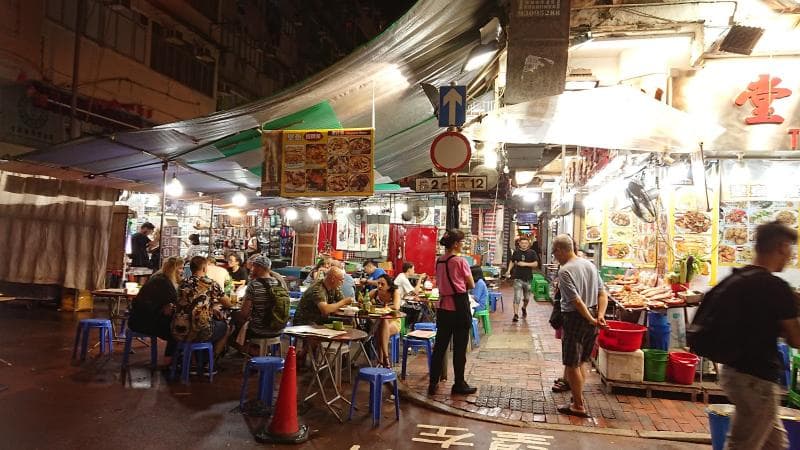
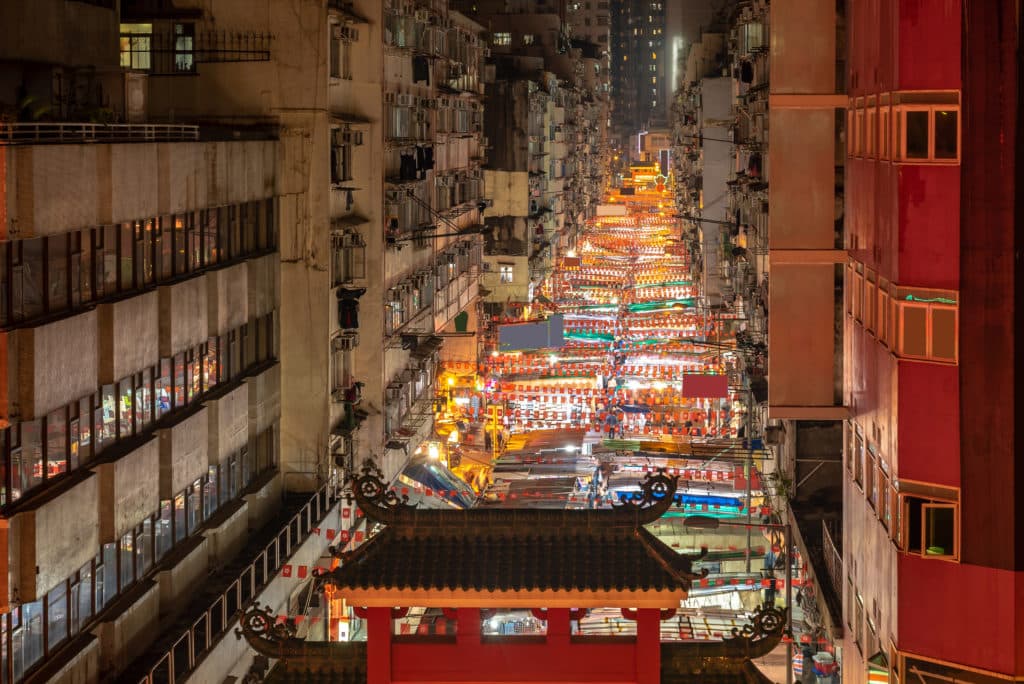
Discover Tin Hau Temple, the spiritual heart of Temple Street Night Market in Yau Ma Tei, Hong Kong, China. Explore its rich history and cultural significance.
Overview
Tucked within the vibrant pulse of Hong Kong's renowned Temple Street Night Market, the Tin Hau Temple in Yau Ma Tei stands as a serene, spiritual anchor amidst the energetic street life. This historic temple complex, dedicated to Tin Hau, the revered Goddess of the Sea, is not merely a place of worship but a foundational element of the surrounding district. It's so central to the area's identity that the famous Temple Street itself is named after it. The Tin Hau Temple complex is the largest of its kind in Kowloon and was officially declared a monument in Hong Kong in 2020. It offers a fascinating glimpse into Hong Kong's maritime past and the enduring traditions of its people.
History & Cultural Background
The origins of the Tin Hau Temple in Yau Ma Tei are deeply intertwined with Hong Kong's maritime heritage. Yau Ma Tei, in the 19th century, was a coastal area with a natural bay that attracted numerous boat-dwelling communities, particularly the Hok Lo people. These seafaring families relied on the sea for their livelihoods and looked to Tin Hau for protection during their perilous voyages. The temple served as their spiritual and social hub. The first Tin Hau Temple on this site was likely built around 1864 or 1865, later replaced or significantly completed around 1878, after an earlier structure suffered damage from a typhoon in 1874.
Over time, the temple grew into a compound of five interconnected buildings. Beyond the main Tin Hau Temple, it included a Public Office (Kung Sor) for local dispute resolution, another temple (Fook Tak Tsz), and two schools (Shu Yuen) that offered free education to the children of both boat people and land dwellers. This multi-functional role made the complex a vital center for worship, arbitration, and education in the community. The area directly across from the temple, known as Yung Shue Tau (Banyan Tree Head), became a natural gathering point, where hawkers, performers, and community members converged, laying the groundwork for what would become the bustling Temple Street Night Market.
What Makes It Special
The Tin Hau Temple complex in Yau Ma Tei distinguishes itself as the largest and most significant Tin Hau Temple compound in Kowloon. Its architectural style is a testament to Qing dynasty vernacular design, featuring a distinctive two-hall-three-bay layout with an open courtyard. Visitors can admire its intricate details, such as granite columns with finely carved bases, and exquisite Shiwan ceramic figurines adorning the main roof ridge. Inside, historical artifacts like an early stone lion and a copper bell connect the present to the temple's deep past. This complex is a rare surviving example of a holistic community center from Hong Kong's early days, integrating religious, social, and educational functions within a single precinct. It houses multiple deities, reflecting a broader spectrum of Chinese folk religion.
Stories, Fun Facts & Local Details
The area around the Tin Hau Temple was historically a vibrant social hub, particularly the Yung Shue Tau square. Under the shade of banyan trees, people would gather to socialize, play chess, and enjoy diverse street performances, including juggling, magic shows, and storytelling. This tradition of informal entertainment continues, with Cantonese opera singers occasionally performing impromptu outside the temple, earning the area the endearing nickname 'Civilians' Night Club'. Today, the atmosphere is further enlivened by numerous fortune tellers, who set up stalls near the temple to offer palm, face, and bird readings, adding a mystical touch to the bustling market evenings. A piece of living history, the Mido Cafe, a classic Hong Kong-style 'bing sutt' (cafe), has stood directly across from the Tin Hau Temple since 1950, serving local delicacies and acting as a silent observer of the area's evolving story. The lingering scent of incense coils, which burn slowly to allow extended prayer, contributes to the temple's serene yet captivating ambiance.
Visitor Perspective
For a curious traveler, the Tin Hau Temple offers a peaceful respite from the lively energy of the Temple Street Night Market. Stepping into its courtyard, one is greeted by a sense of calm and history, a stark contrast to the hawker stalls and neon lights just outside. Visitors can observe local worshippers engaged in traditional practices, lighting incense and making offerings, providing an authentic cultural experience. The temple is celebrated for its vibrant colors and historical significance, making it a compelling spot for those interested in Hong Kong's spiritual traditions and architectural heritage. While it can be busy, especially during peak market hours, visiting during quieter times might allow for a more contemplative experience. The temple's location makes it easily accessible, serving as a cultural gateway to understanding the heart of Yau Ma Tei and the wider Temple Street area.
Coordinates: 114.17, 22.306
View on Google Maps💬 How Travelers Describe This Place
Based on community votes
Interesting
961Must See
733Photogenic
695Beautiful
404Unique
336
Traveler Stories
Discover memorable experiences shared by travelers who have visited this place.
No traveler stories yet.
Be the first traveler to share what made this place memorable.

Tour
By
Spot
Discover amazing places around the world. Your journey starts here.
Explore
© 2026 TourBySpot. All rights reserved.