Theaters District
Madrid, Spain
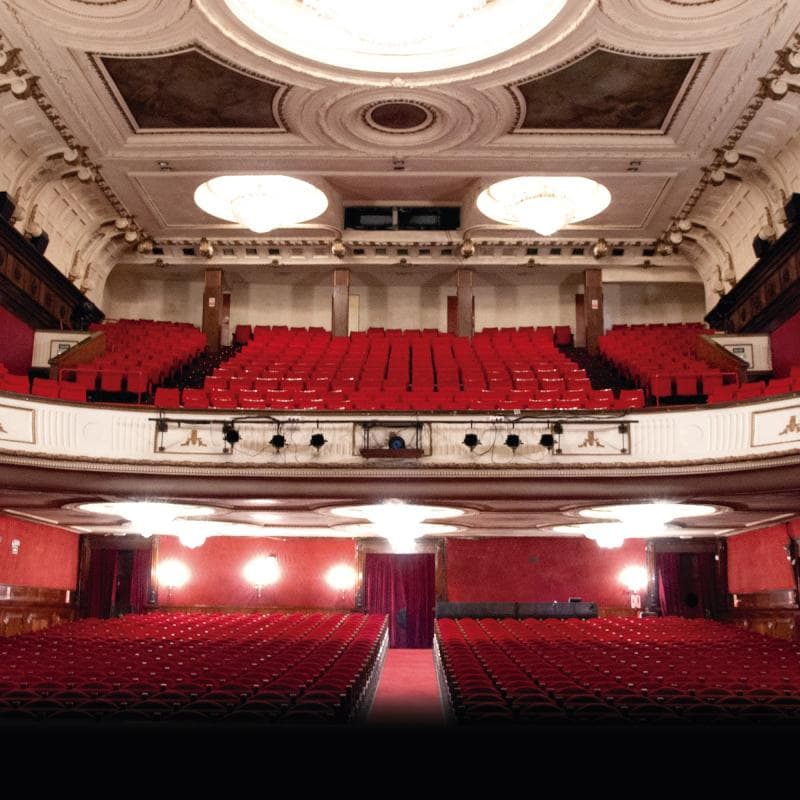
Discover Madrid's Gran Vía Theaters District, often called the 'Broadway of Madrid,' with its rich history, iconic venues, and diverse shows.
Overview
Stepping onto Gran Vía in Madrid, Spain, is like entering a grand stage where history, architecture, and the performing arts converge. Often affectionately known as the 'Broadway of Madrid' or the 'Spanish Broadway', this iconic thoroughfare is far more than just a street; it is the beating heart of Spain's theatrical and cinematic world. From its majestic early 20th-century buildings to the vibrant glow of neon signs, Gran Vía encapsulates Madrid's cosmopolitan spirit and serves as a vital cultural artery.
The 'Theaters District' of Gran Vía is not a formally demarcated area, but rather a descriptor for the dense concentration of playhouses and cinemas that line this bustling avenue, particularly between Plaza de Callao and Plaza de España. Here, visitors can immerse themselves in a diverse array of shows, from world-class musicals to traditional Spanish plays, ballets, and contemporary comedies. It's a place where the city's energy is palpable, day and night, drawing both locals and international travelers into its captivating rhythm.
History & Cultural Background
The story of Gran Vía began in the early 20th century, a monumental urban planning project conceived to modernize Madrid and connect the city center with its expanding suburbs. Construction started in 1910 and continued for several decades, transforming a maze of narrow streets into a broad, elegant avenue. This ambitious undertaking saw the demolition of over 300 old buildings and paved the way for the emergence of Madrid's first skyscrapers, symbolizing a new era for the capital.
The 1920s and 1930s marked a period of significant cultural effervescence for Gran Vía. Many of the grand buildings that stand today, showcasing eclectic architectural styles including Art Nouveau, Art Deco, Neo-classical, Beaux-Arts, and Rationalism, were erected during this time. These structures often housed cinemas and theaters, quickly establishing Gran Vía as Madrid's premier entertainment hub. Initially, many of these venues functioned primarily as opulent cinemas, premiering world-famous films and offering a glamorous escape for Madrileños.
What Makes It Special
What truly sets Gran Vía's Theaters District apart is its unparalleled concentration of live entertainment venues within such a historically rich and architecturally stunning setting. It offers a unique blend of grand historical theaters, some of which have evolved from cinematic palaces to stages for spectacular musicals and plays. The avenue's dynamic atmosphere, coupled with its architectural grandeur, provides an unforgettable backdrop for a night out at the theater.
The district is renowned for its diverse programming, attracting top-tier national and international productions. From long-running musical blockbusters like 'The Lion King' at the Teatro Lope de Vega to a variety of plays, flamenco performances, ballet, and comedy shows, there is always something to captivate every taste. This cultural vibrancy has cemented Madrid's reputation as one of the world's leading cities for musical theater, often compared favorably to New York's Broadway and London's West End.
Stories, Fun Facts & Local Details
Gran Vía is brimming with fascinating stories and iconic landmarks. One of the most recognizable symbols of the avenue is the Capitol Building, famous for its giant Schweppes neon sign. This Art Deco masterpiece, inaugurated in 1933, once housed one of Europe's largest cinemas and has become a protected cultural asset, featuring prominently in Spanish cinema and popular culture.
Many of Gran Vía's theaters have storied pasts. The Teatro Rialto, for instance, is the oldest surviving theater on Gran Vía, with a strong historical connection to musicals dating back to American musical films in the 1930s. The Palacio de la Música, despite its name, operated primarily as a cinema for decades, famously hosting the Spanish premiere of 'Gone with the Wind'. While some historic cinemas have closed, their grand facades continue to tell tales of Madrid's cinematic golden age. Even local legends persist, like the tale of 'The Girl with the Umbrella', a benign ghost said to haunt the Teatro Lara, adding a touch of spectral charm to the theatrical landscape.
Visitor Perspective
Experiencing Gran Vía's Theaters District is an essential part of any visit to Madrid. As you stroll along this magnificent avenue, allow yourself to be captivated by the architectural splendor, gazing up at the ornate facades and impressive skyscrapers like the Telefónica Building, one of Spain's first. The sheer energy of the street, often called 'the street that never sleeps', is infectious, with its constant flow of people, vibrant shops, and inviting eateries.
For a truly immersive experience, plan to catch a show. Whether it's a grand musical production, a flamenco spectacle, or an intimate play, the quality of performances is consistently high. Afterward, the surrounding neighborhoods like Malasaña and Chueca offer plenty of options for continuing your evening. The area is easily accessible, with several metro stations directly on Gran Vía, making it convenient to explore. Remember to look up and around; every corner of this district reveals a piece of Madrid's vibrant artistic soul and rich history.
Coordinates: -3.7036, 40.42
View on Google Maps💬 How Travelers Describe This Place
Based on community votes
Beautiful
958Must See
794Interesting
565Unique
157Photogenic
28
Traveler Stories
Discover memorable experiences shared by travelers who have visited this place.
No traveler stories yet.
Be the first traveler to share what made this place memorable.

Tour
By
Spot
Discover amazing places around the world. Your journey starts here.
Explore
© 2026 TourBySpot. All rights reserved.