The Temple of Dendur
New York, United States
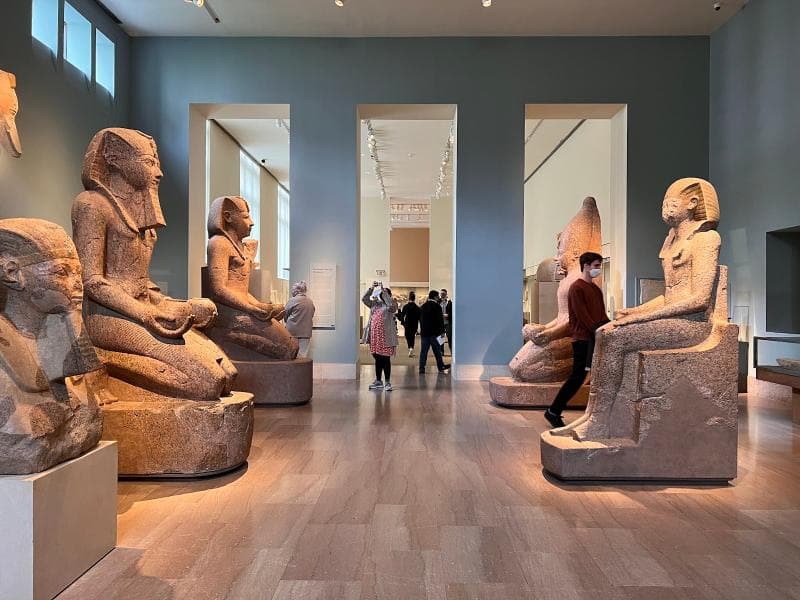
Discover the Temple of Dendur at The Met in New York, United States. Explore its ancient Egyptian history, Roman connections, and incredible journey from the Nile to NYC.
Overview
Nestled within the vast expanse of The Metropolitan Museum of Art in New York, United States, lies a remarkable testament to ancient civilization: The Temple of Dendur. This authentic Egyptian temple, constructed around 15 BCE during the Roman period, once graced the western bank of the Nile River in Nubia, a region in southern Egypt near modern-day Aswan. Its journey from the sun-baked landscapes of Africa to the bustling metropolis of New York is a story of international cooperation and cultural preservation. Gifted by Egypt to the United States in 1965 in recognition of aid provided during a massive conservation effort, the temple was subsequently awarded to The Met in 1967. After being meticulously disassembled, shipped in 661 crates across the Atlantic, and carefully reassembled, it opened to the public in 1978, standing as the only complete ancient Egyptian temple in the United States.
History & Cultural Background
The Temple of Dendur was commissioned by the Roman Emperor Augustus, who ruled Egypt at the time. Its construction served a dual purpose: to honor the Egyptian goddess Isis and two deified local Nubian brothers, Pedesi and Pihor, and to legitimize Roman authority in Egypt. Pedesi and Pihor, believed to be sons of a local Nubian ruler, were deified after they drowned in the Nile. By associating himself with local deities and traditions, Augustus fostered goodwill among the conquered Egyptian populace. Originally, this was a cult temple, a sacred 'house for the gods' where deities received offerings, rather than a place for congregational worship. In the 6th century CE, after the fall of the Roman Empire, the temple found new life when it was converted and used as a Coptic Christian church.
The temple's relocation to New York stemmed from a dire threat in the 1960s. The construction of the Aswan High Dam posed a risk of permanent submersion for numerous ancient Nubian monuments, including Dendur, under the rising waters of Lake Nasser. In response, UNESCO launched an ambitious international campaign to save these invaluable cultural treasures. The United States played a significant role in this effort, and as a gesture of gratitude, Egypt presented the Temple of Dendur to the US, a remarkable act of international diplomacy and cultural exchange.
What Makes It Special
What truly sets the Temple of Dendur apart is its extraordinary journey and its unique presentation. It is not merely an artifact but an entire ancient structure, representing a small yet traditional example of Roman-Egyptian temple architecture. The Metropolitan Museum of Art specifically designed the former Sackler Wing to house this colossal gift, creating an environment that thoughtfully evokes its original Nile-side setting. A large reflecting pool in front of the temple symbolizes the Nile, while a sloping wall behind it represents the cliffs of its original Nubian home. This carefully crafted display allows visitors to experience the temple in a context that honors its past. Built from local Nubian sandstone, its architecture features a blend of traditional Egyptian motifs with Roman stylistic influences, showcasing the cultural intermingling of the era. The relief carvings depicting Emperor Augustus as a pharaoh making offerings to Egyptian gods such as Isis, Osiris, and Horus are particularly notable, offering a fascinating glimpse into how Roman rulers sought to integrate themselves into Egyptian religious traditions.
Stories, Fun Facts & Local Details
The relocation of the Temple of Dendur was an immense undertaking, taking nearly a decade from its dismantling to its grand opening at The Met. The temple's 661 individual blocks, weighing a total of 640 tons, were carefully crated and transported across the ocean. While today the sandstone appears in its natural hue, the temple's intricate carvings were originally painted in vibrant colors, a detail that allows us to imagine its former splendor. Look closely at the base of the temple, and you'll find delicate carvings of lotus and papyrus plants, ancient symbols representing the fertile earth and the life-giving Nile. Above the entrance, a sun disk with outstretched wings symbolizes the celestial realm. Another intriguing aspect is the presence of historical graffiti on its walls, including ancient Egyptian script, Coptic Christian inscriptions from its time as a church, and even marks left by 19th-century travelers. Interestingly, while the temple was initially presented as an object to be admired from a distance, visitors today can walk through its interior hallways, experiencing the space much as ancient devotees once did.
Visitor Perspective
The Temple of Dendur is consistently ranked among the most popular and iconic attractions within The Metropolitan Museum of Art. Its presence offers millions of visitors an unparalleled opportunity to engage directly with ancient Egyptian architecture and culture without traveling thousands of miles to Egypt. Standing before its impressive facade, with the reflecting pool mirroring its ancient stones and the natural light streaming in from the glass wall overlooking Central Park, creates a truly awe-inspiring experience. You can wander through its modest chambers, meticulously examining the detailed carvings and hieroglyphs that tell stories of gods and pharaohs. Many visitors find that experiencing the temple in the quieter hours, such as Friday evenings when the museum is open later, enhances the sense of intimacy and connection with this ancient marvel. It's an unforgettable highlight, providing a profound link between the ancient world and the modern one, right in the heart of New York City.
Coordinates: -73.9631, 40.7794
View on Google Maps💬 How Travelers Describe This Place
Based on community votes
Photogenic
989Must See
791Interesting
613Beautiful
514Unique
207
Traveler Stories
Discover memorable experiences shared by travelers who have visited this place.
No traveler stories yet.
Be the first traveler to share what made this place memorable.

Tour
By
Spot
Discover amazing places around the world. Your journey starts here.
Explore
© 2026 TourBySpot. All rights reserved.