The Roof Garden
New York, United States
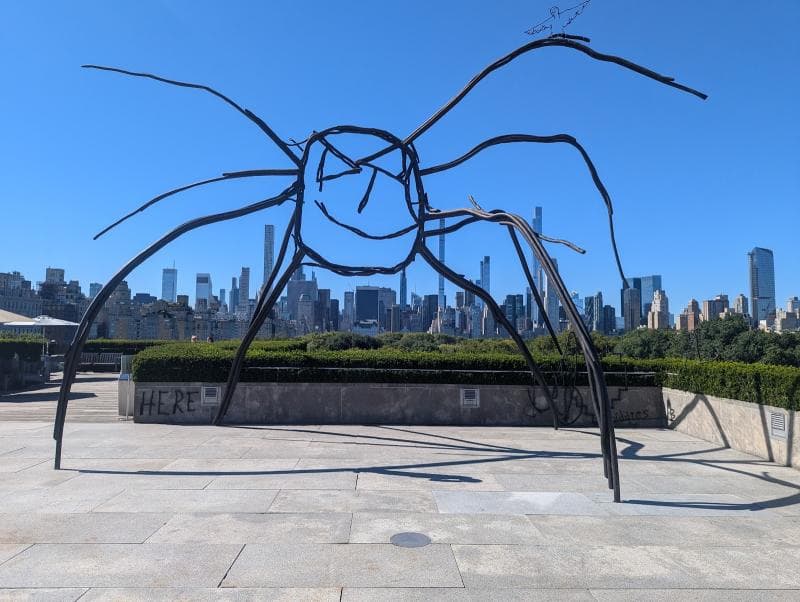
Discover The Roof Garden at The Metropolitan Museum of Art in New York, United States. Explore its history, unique art installations, and panoramic city views. Currently closed for renovation until 2030.
Overview
Perched atop one of the world's most iconic cultural institutions, The Roof Garden at The Metropolitan Museum of Art in New York, United States, offers an unparalleled experience, blending art, nature, and breathtaking urban vistas. This expansive outdoor space, historically around 8,000 square feet, has long served as a seasonal sanctuary where visitors can enjoy contemporary art installations alongside panoramic views of the Manhattan skyline and the lush expanse of Central Park.
Typically open from late spring through late autumn, The Roof Garden transforms annually with a commissioned artwork by a contemporary artist, providing a fresh perspective each season. Beyond the visual artistry, it also features a delightful café and martini bar, allowing guests to savor light refreshments and drinks in a truly unique setting. However, it is important for prospective visitors to know that The Roof Garden is currently undergoing a significant renovation. It closed on October 19, 2025, and is anticipated to reopen in 2030 as part of the new Oscar L. Tang and H.M. Agnes Hsu-Tang Wing, which will expand its size to 10,000 square feet and house the museum's modern and contemporary art collection.
History & Cultural Background
While The Metropolitan Museum of Art itself boasts a rich history dating back to 1870, the concept of The Roof Garden as a dedicated exhibition space for contemporary art is a more recent development. Since 2013, the museum has consistently commissioned a site-specific artwork for this unique outdoor gallery, transforming the rooftop into an evolving canvas that engages with the city's dynamic energy. Prior to this, the space might have featured works from the permanent collection. The Met's decision to dedicate its rooftop to these annual commissions has established it as a significant platform for contemporary artists to create pieces that interact directly with the architectural and natural surroundings of New York City.
The setting itself holds cultural significance, being a 'nested place'—a garden situated on top of a museum that, in turn, resides within Central Park, a masterpiece designed by Frederick Law Olmsted. This layering of cultural and natural landscapes creates a unique dialogue, where each commissioned artwork not only stands alone but also becomes part of a larger historical and environmental narrative. The annual installations often reflect on themes pertinent to modern society, art history, and the urban experience, making The Roof Garden a vital contemporary extension of the museum's vast encyclopedic collection.
What Makes It Special
What truly sets The Roof Garden apart is its extraordinary combination of world-class contemporary art and some of the most spectacular views in New York City. Nowhere else can one admire a thought-provoking sculpture or installation with the verdant expanse of Central Park to one side and the iconic skyscrapers of Manhattan reaching for the sky on the other. The ephemeral nature of the annual commissions ensures that each visit offers a fresh, often surprising, artistic encounter. Past installations have ranged from reflective glass structures that play with perception, like Dan Graham's 'Hedge Two-Way Mirror Walkabout,' to more whimsical or conceptual works.
The experience is enhanced by the open-air environment, allowing the elements to become part of the art itself—whether it is the play of light on a sculpture, the sound of the wind, or the changing seasons of Central Park. The ability to enjoy a drink or a snack while contemplating art and scenery adds to the relaxed and sophisticated atmosphere, making it a favorite spot for both locals and visitors. The impending expansion and redesign as part of the new Tang Wing suggest an even more ambitious future for this already exceptional space, promising an enhanced visitor experience upon its reopening in 2030.
Stories, Fun Facts & Local Details
Over the years, The Roof Garden has hosted a fascinating array of artworks, each with its own story. For instance, in 2025, Jennie C. Jones's 'Ensemble' featured monumental sculptures modeled on string instruments, exploring the sonic potential of lines and forms in an homage to modernism. Another memorable installation was Alex Da Corte's 2021 piece, which notably included a 26-foot-tall blue-feathered Big Bird from 'Sesame Street' sitting on a floating crescent moon, gazing out at the city. Cornelia Parker's 2016 work, 'Transitional Object (PsychoBarn),' ingeniously merged the architecture of a red barn with the infamous Bates Motel from Alfred Hitchcock's film 'Psycho,' creating a striking and slightly unsettling presence against the cityscape.
These installations often draw inspiration from diverse sources, sometimes delving into the history of New York itself. Pierre Huyghe's 2015 commission, for example, incorporated elements like a boulder from Manhattan's bedrock and an aquarium with ancient crustaceans, subtly referencing the city's primordial past. The yearly anticipation of what new and thought-provoking artwork will grace the rooftop has become a cherished tradition for many New Yorkers, marking the arrival of summer and the opportunity to see the city from a fresh, artistic vantage point.
Visitor Perspective
For those planning a visit to The Metropolitan Museum of Art, it is crucial to note that The Roof Garden is currently inaccessible. It closed in October 2025 for a major renovation project and is not expected to reopen until 2030. Historically, when open, access to The Roof Garden was included with museum admission, and it could be reached by an elevator located in the European Sculpture and Decorative Arts galleries. The best times to visit were often late afternoon or early evening, especially on Fridays and Saturdays when the museum had extended hours, allowing guests to witness breathtaking sunsets over Central Park.
Upon its reopening in 2030, the expanded Iris and B. Gerald Cantor Roof Garden will undoubtedly continue to be a must-visit destination within The Met. It offers not just a momentary escape from the bustling museum galleries but an entirely different dimension to the museum experience—a place where art, architecture, and nature converge spectacularly. While the wait may be long, the promise of an enhanced and reimagined space for contemporary art, accompanied by those iconic New York views, makes it a highly anticipated return for future travelers. Until then, The Met offers a wealth of other incredible collections and exhibitions to explore within its main building.
Coordinates: -73.963244, 40.7794366
View on Google Maps💬 How Travelers Describe This Place
Based on community votes
Photogenic
995Beautiful
989Must See
613Interesting
603Unique
581
Traveler Stories
Discover memorable experiences shared by travelers who have visited this place.
No traveler stories yet.
Be the first traveler to share what made this place memorable.

Tour
By
Spot
Discover amazing places around the world. Your journey starts here.
Explore
© 2026 TourBySpot. All rights reserved.