The Peak Tower
Hong Kong, China
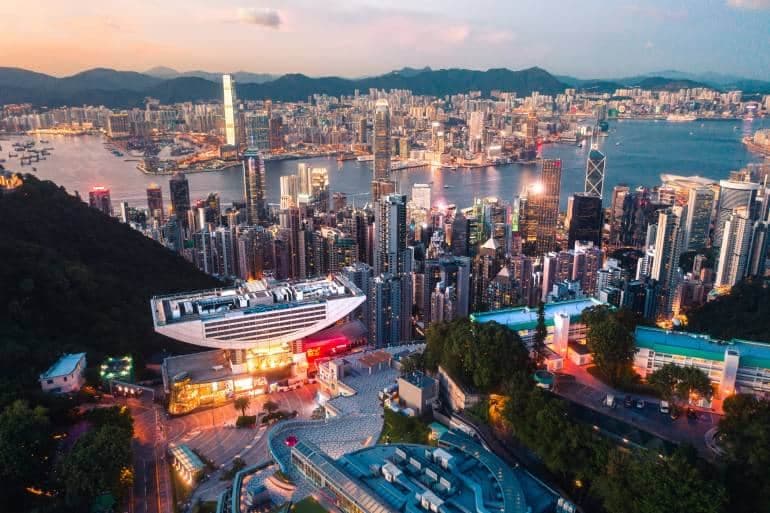
Discover The Peak Tower at Victoria Peak, Hong Kong, China. Experience breathtaking 360-degree views, unique architecture, and rich history of this iconic landmark.
Overview
Perched majestically in the Victoria Gap, a saddle between the hills on Hong Kong's iconic Victoria Peak, stands The Peak Tower, a landmark instantly recognizable for its distinctive wok-shaped architecture. It is not merely a building but a multi-level entertainment and shopping complex, serving as the upper terminus for the historic Peak Tram. Offering spectacular panoramic vistas, The Peak Tower provides visitors an unparalleled opportunity to gaze upon Hong Kong's vibrant skyline, the bustling Victoria Harbour, and the serene outlying islands. It has evolved into one of the city's most visited attractions, drawing millions annually who seek its breathtaking views and diverse offerings.
History & Cultural Background
The story of The Peak Tower is intertwined with the development of Victoria Peak itself as a retreat from the city's heat. The original structure, constructed in 1971 and opened in August 1972, initially housed a restaurant, catering to the growing number of visitors seeking leisure at the peak. However, as Hong Kong prospered and visitor numbers surged, there was a clear need for expanded amenities. This led to a significant redevelopment in 1993, transforming the original tower into the architectural marvel seen today.
Designed by the renowned British architect Sir Terry Farrell, the new Peak Tower, with its striking avant-garde, wok-like design, officially opened its doors in May 1997. This design was not arbitrary; it was inspired by the natural dip of the landscape, and its solid base and upswept eaves subtly reference traditional Chinese architecture. Further revitalisation in 2005-2006 enhanced the tower's appeal, including internal rebuilds and the addition of the Sky Terrace 428, ensuring its status as a premier destination.
The Peak Tower's existence is also intrinsically linked to the Peak Tram, Asia's first funicular railway, which commenced operation in 1888. This engineering marvel was initially a vital transport link for residents, offering a more efficient way to reach their homes on the cooler heights of Victoria Peak. Over its long history, the tram has undergone numerous modernisations, evolving from a coal-fired steam system to today's computer-controlled electric drive, while still running along much of its original alignment.
What Makes It Special
The Peak Tower is distinctive for several compelling reasons. Foremost is its unique and instantly recognizable architecture; its crescent or 'wok' shape stands out against the lush greenery of the peak, making it a modern icon of Hong Kong. This thoughtful design allows it to blend with the natural landscape despite its prominence.
Another defining feature is the Sky Terrace 428, Hong Kong's highest 360-degree viewing platform. From this vantage point, 428 meters above sea level, visitors are treated to comprehensive, sweeping panoramas that encompass the skyscraper-laden cityscape, the bustling Victoria Harbour, the tranquil green hills, and distant islands. Inside the tower, a range of entertainment options awaits, including the renowned Madame Tussauds Hong Kong, where lifelike wax figures of celebrities and historical icons reside.
Furthermore, The Peak Tower serves as the functional and historic upper terminus for the Peak Tram. This integration offers a seamless journey from the city up to the scenic heights, making the entire experience from ascent to observation a singular attraction.
Stories, Fun Facts & Local Details
- The Governor's Seat: From 1908 to 1949, the first two seats on the Peak Tram were reserved exclusively for the Governor of Hong Kong. A brass plaque reading 'This seat is reserved for His Excellency, the Governor' adorned these seats, a fascinating glimpse into the city's colonial past.
- A Wok in the Sky: The Peak Tower's unique architectural form has inspired various symbolic interpretations among locals and visitors alike. It's often likened to a traditional Chinese wok, a bowl, a boat, or even open hands embracing the city.
- A Face on the Banknote: Such is its iconic status that The Peak Tower has been featured on the $20 banknote of the Hong Kong dollar, solidifying its place as a symbol of the city.
- The Tilting Illusion: The steep incline of the Peak Tram, ranging from 4 to 25.7 degrees, creates a curious optical illusion for passengers. As the tram ascends, the tall buildings of Hong Kong appear to tilt, providing a momentarily disorienting yet thrilling sensation.
Visitor Perspective
A visit to The Peak Tower is an immersive experience designed to captivate travelers. The journey often begins with the historic Peak Tram, offering not just transport but a thrilling ride with incredible views as you ascend. Upon arrival, the tower acts as a hub of activity, with numerous shops ranging from designer boutiques to souvenir stalls, catering to all tastes and budgets.
Dining options abound, from casual cafes to upscale restaurants, many offering the added luxury of stunning panoramic views, perfect for a meal with a memorable backdrop. However, the undisputed highlight for most is the Sky Terrace 428. Here, visitors are encouraged to take their time, soaking in the magnificent 360-degree vistas. While the daytime views are spectacular, many suggest visiting in the late afternoon or 'blue hour' to witness the city's transformation from daylight into a dazzling 'galaxy of shimmering lights' as evening descends.
Be prepared for crowds, especially during peak hours and holidays, as this is a popular destination. It's advisable to factor in waiting times for the tram and to secure a good viewing spot on the Sky Terrace. Beyond the tower, the surrounding Victoria Peak area offers opportunities for exploration, including hiking trails and other scenic viewpoints, enriching the overall experience.
Coordinates: 114.14994, 22.27104
View on Google Maps💬 How Travelers Describe This Place
Based on community votes
Beautiful
971Must See
594Photogenic
523Interesting
149Unique
141
Traveler Stories
Discover memorable experiences shared by travelers who have visited this place.
No traveler stories yet.
Be the first traveler to share what made this place memorable.

Tour
By
Spot
Discover amazing places around the world. Your journey starts here.
Explore
© 2026 TourBySpot. All rights reserved.