The Hellenistic Theater
Antalya, Turkey
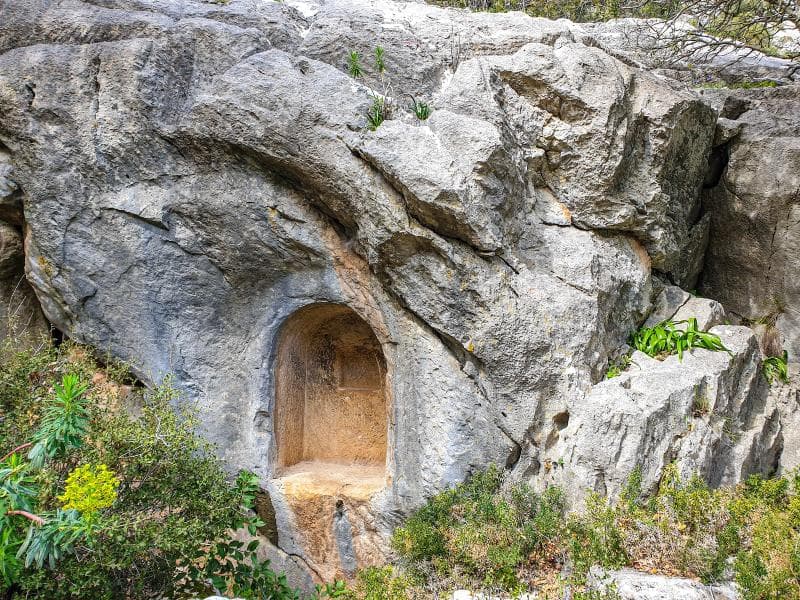
Explore The Hellenistic Theater in Termessos, Antalya, Turkey, an ancient wonder offering panoramic views and rich history in the Taurus Mountains.
Overview
Nestled high in the rugged Taurus Mountains, approximately 30 kilometers northwest of Antalya, Turkey, lies the ancient city of Termessos. Within this remarkably preserved 'Eagle's Nest' of antiquity, perched at an altitude of around 1,000 meters above sea level, stands The Hellenistic Theater. Unlike many ancient sites, Termessos is largely unexcavated, lending it an untouched and wild beauty, enveloped by pine forests within the Güllük Dağı-Termessos National Park. The theater itself is a breathtaking testament to ancient engineering and aesthetic vision, offering panoramic vistas over the Pamphylian plain and surrounding peaks.
The Hellenistic Theater of Termessos is not merely a collection of ruins; it is a grand stage where history and nature converge. It maintains the original Greek layout of its seating area, or 'cavea', which gracefully follows the natural slope of the mountain. Over time, it received modifications during the Roman period, integrating their distinctive architectural elements while preserving its foundational Hellenistic character.
History & Cultural Background
The story of Termessos begins with the Solymi, an ancient Pisidian people mentioned in Homer's Iliad, who founded this formidable city. Its strategic, elevated position made it an almost impregnable fortress. This resilience was famously demonstrated in 333 BC when Alexander the Great, during his Anatolian campaign, attempted and failed to conquer Termessos—a rare defeat for the legendary general. He is said to have likened the city to an 'eagle's nest', a moniker that still aptly describes its lofty perch today.
Following Alexander's departure, Termessos flourished during the Hellenistic and Roman periods. It forged friendly relations with Rome and, in 71 BC, was granted independent status by the Roman Senate, allowing it to mint its own coins inscribed with 'Autonomous'. This era saw the city thrive culturally and economically, integrating into the wider Roman world while maintaining a strong sense of its unique identity. The theater, originally built in the Hellenistic period, underwent significant Roman alterations, especially to its stage building, reflecting the evolving cultural practices and entertainment forms of the time. The city's eventual decline, around the 5th century AD, is attributed to a devastating earthquake that destroyed its vital water supply, leading to its gradual abandonment and preserving it from further human development.
What Makes It Special
What truly sets The Hellenistic Theater of Termessos apart is its extraordinary integration with the natural landscape. Unlike many theaters built on artificial mounds, Termessos's cavea is carved directly into the mountainside, utilizing the natural contours of the terrain. This natural foundation not only provides structural stability but also creates a dramatic backdrop that becomes an integral part of the experience.
With a seating capacity of approximately 4,200 to 4,300 spectators, the theater is not the largest in Anatolia, but its location grants it an unparalleled majesty. The views from the upper rows stretch across vast forested valleys and the distant Pamphylian plain, making every performance an event enhanced by the grandeur of nature. Architectural details, such as the Hellenistic seating structure divided by a central walkway ('diazoma') and the Roman additions of vaulted entrances, showcase a fascinating blend of two distinct periods of ancient construction. Beneath the stage, five small rooms once housed wild animals, hinting at the dramatic spectacles, including combat, that would have entertained the Termessian populace.
Stories, Fun Facts & Local Details
The enduring spirit of Termessos is encapsulated in its defiance of Alexander the Great. This historical anecdote underscores the fierce independence of the Pisidian people and serves as a powerful testament to their strategic ingenuity and the city's formidable natural defenses. It's a place where you can almost hear the echoes of ancient cheers and debates carried on the mountain winds.
A fun detail lies within the theater's construction: the combination of Hellenistic design for the seating and Roman modifications to the stage area tells a story of cultural adaptation. The Greeks prioritized acoustics and natural views, while the Romans often favored more elaborate stage sets and engineering. Termessos offers a rare, tangible example of this cultural evolution in a single structure. The sheer effort required to build such a magnificent structure at this elevation, using local limestone and marble, speaks volumes about the dedication and skill of its ancient builders.
Visitor Perspective
Visiting The Hellenistic Theater at Termessos is an immersive journey back in time, far removed from the hustle and bustle of modern life. The absence of extensive modern reconstruction and the embrace of nature allow travelers to experience the site much as it would have been found centuries ago—a 'lost city' reclaimed by the wilderness.
As you ascend the paths through the Güllük Dağı National Park, a sense of adventure builds. Reaching the theater, often quiet and sparsely populated, allows for moments of profound reflection. Sitting on the ancient stone steps, with the cool mountain air and the expansive views, it's easy to imagine the vibrant performances and communal gatherings that once animated this space. The excellent acoustics, a hallmark of Greek theaters, remain a palpable feature, inviting visitors to test their voices against the silence of the mountains. It's an experience that appeals not just to history enthusiasts but also to those seeking tranquility, dramatic natural beauty, and a tangible connection to the ancient world.
Coordinates: 30.46472, 36.9825
View on Google Maps💬 How Travelers Describe This Place
Based on community votes
Beautiful
894Unique
862Interesting
443Must See
304Photogenic
184
Traveler Stories
Discover memorable experiences shared by travelers who have visited this place.
No traveler stories yet.
Be the first traveler to share what made this place memorable.

Tour
By
Spot
Discover amazing places around the world. Your journey starts here.
Explore
© 2026 TourBySpot. All rights reserved.