The Grand Central Hall
Paris, France
Discover The Grand Central Hall in Paris' Musée d'Orsay, a majestic former railway station. Explore its Beaux-Arts architecture, rich history, and world-class Impressionist art collections in France.
Overview
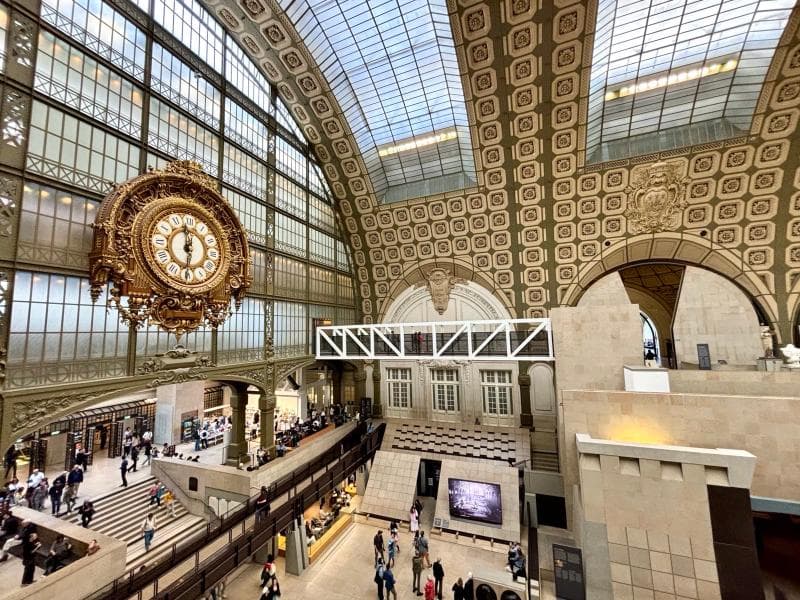
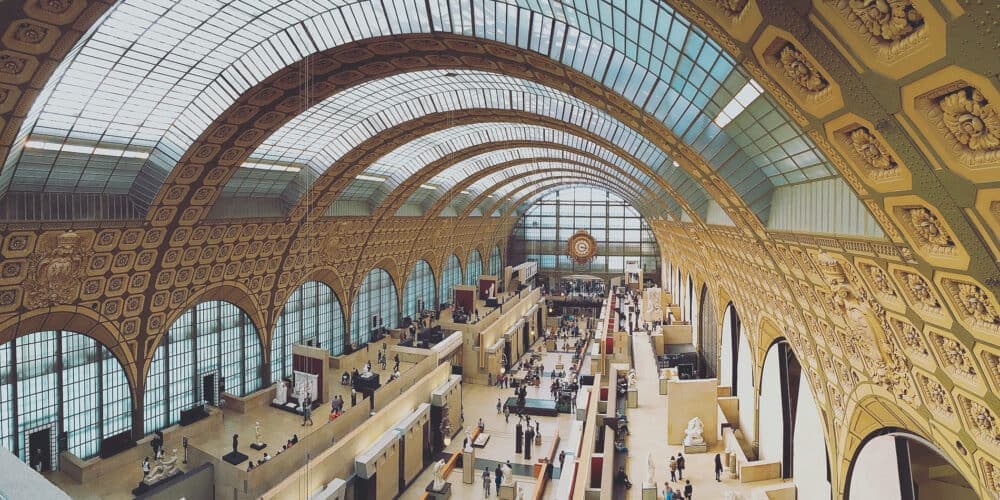
Stepping into The Grand Central Hall of the Musée d'Orsay in Paris, France, is an experience that transcends a typical museum visit. It is not merely an entrance or a central gallery; it is the beating heart of an architectural marvel. Once the bustling Gare d'Orsay, a Beaux-Arts railway station, this immense space now serves as the majestic showcase for some of the world's most cherished art. Its vaulted glass roof, intricate ironwork, and iconic colossal clocks immediately captivate, offering a dramatic stage for the celebrated Impressionist and Post-Impressionist collections it houses. The Hall itself stands as a testament to the seamless fusion of industrial innovation and artistic grandeur, setting a unique tone for the treasures within.
History & Cultural Background
The story of The Grand Central Hall begins at the turn of the 20th century, specifically for the 1900 Universal Exposition in Paris. Designed by architect Victor Laloux, the Gare d'Orsay was conceived as a grand railway terminus for the Orléans Railway Company. Laloux's vision was a magnificent Beaux-Arts structure, clad in white limestone to blend harmoniously with its prestigious surroundings, notably the nearby Louvre Palace. The station quickly became an architectural landmark and a symbol of Parisian modernity, featuring a revolutionary steel framework hidden behind its opulent stone facade. However, by the late 1930s, the station's platforms became too short to accommodate the longer, more modern electric trains, leading to its decline and eventual closure to passenger traffic in 1939. Over the following decades, the building served various purposes, including a postal sorting office and even as a holding station for prisoners of war in 1945. The idea of transforming the disused station into a museum began to take shape in the 1970s. The French government, under the impetus of President Valéry Giscard d'Estaing, decided to convert it into a museum dedicated to art from 1848 to 1914, bridging the chronological gap between the Louvre's older collections and the modern art at the Centre Pompidou. After extensive renovation, preserving its iconic architecture, the Musée d'Orsay, with its Grand Central Hall, officially opened its doors in December 1986.
What Makes It Special
What truly sets The Grand Central Hall apart is its breathtaking architecture, a triumphant blend of engineering and artistry. The immense barrel-vaulted main space stretches for 175 meters, dominated by a magnificent glass canopy spanning 25,000 square meters. This vast glass roof allows natural light to flood the hall, illuminating the sculptures and artworks displayed below in a unique and ever-changing way. The original steel framework, though cleverly disguised by Beaux-Arts ornamentation, speaks to its industrial past, while the majestic gilded clocks, still functioning, serve as striking reminders of its former life as a railway station. The renovation project ingeniously transformed the main artery of the old train station into the central nave of the museum, using the grand scale to create an unparalleled exhibition space. It houses the world's largest collection of Impressionist and Post-Impressionist art, making the architectural container as significant as the artistic contents.
Stories, Fun Facts & Local Details
The Grand Central Hall holds many fascinating stories. One intriguing detail is how architect Victor Laloux 'dressed' the station's exterior with white limestone, a deliberate choice to ensure it harmonized with the elegant 7th arrondissement and its distinguished neighbors, rather than revealing its modern iron and glass structure. Its temporary role as a holding center for returning prisoners of war in the aftermath of World War II adds a poignant layer to its history, contrasting sharply with its initial purpose of welcoming travelers. Perhaps one of the most delightful experiences for visitors today is the opportunity to peer through the transparent face of the colossal clock at the far end of the hall. This unique vantage point offers a striking, framed view of the Seine River and the cityscape beyond, creating a memorable photo opportunity and a sense of connection to Paris outside the museum walls. Indeed, many consider the building itself to be the museum's 'first work of art,' a sentiment often echoed by visitors who are initially drawn in by its grandeur even before exploring the collections. The preservation of this architectural gem, which faced potential demolition or conversion into a modern hotel, highlights a profound appreciation for historical significance and adaptive reuse.
Visitor Perspective
For the curious traveler, encountering The Grand Central Hall is often a moment of pure awe. The sheer scale, the soaring ceiling, and the ethereal light filtering through the glass canopy create an atmosphere that is both grand and welcoming. It's easy to imagine the hustle and bustle of a bygone era, with trains arriving and departing beneath the very roof that now shelters masterpieces. The Hall provides a unique context for viewing art; the industrial elegance of its past enhancing the beauty of the paintings and sculptures displayed. Walking through this magnificent space, one feels a tangible connection to history, architecture, and art all at once. It's an experience that invites reflection on transformation and legacy, making the visit to the Musée d'Orsay not just an exploration of art, but an immersion in a truly iconic Parisian landmark.
Coordinates: 2.3265, 48.8599
View on Google Maps💬 How Travelers Describe This Place
Based on community votes
Beautiful
898Unique
667Must See
308Photogenic
190Interesting
32
Traveler Stories
Discover memorable experiences shared by travelers who have visited this place.
No traveler stories yet.
Be the first traveler to share what made this place memorable.

Tour
By
Spot
Discover amazing places around the world. Your journey starts here.
Explore
© 2026 TourBySpot. All rights reserved.