The Gargoyles and Chimeras
Paris, France
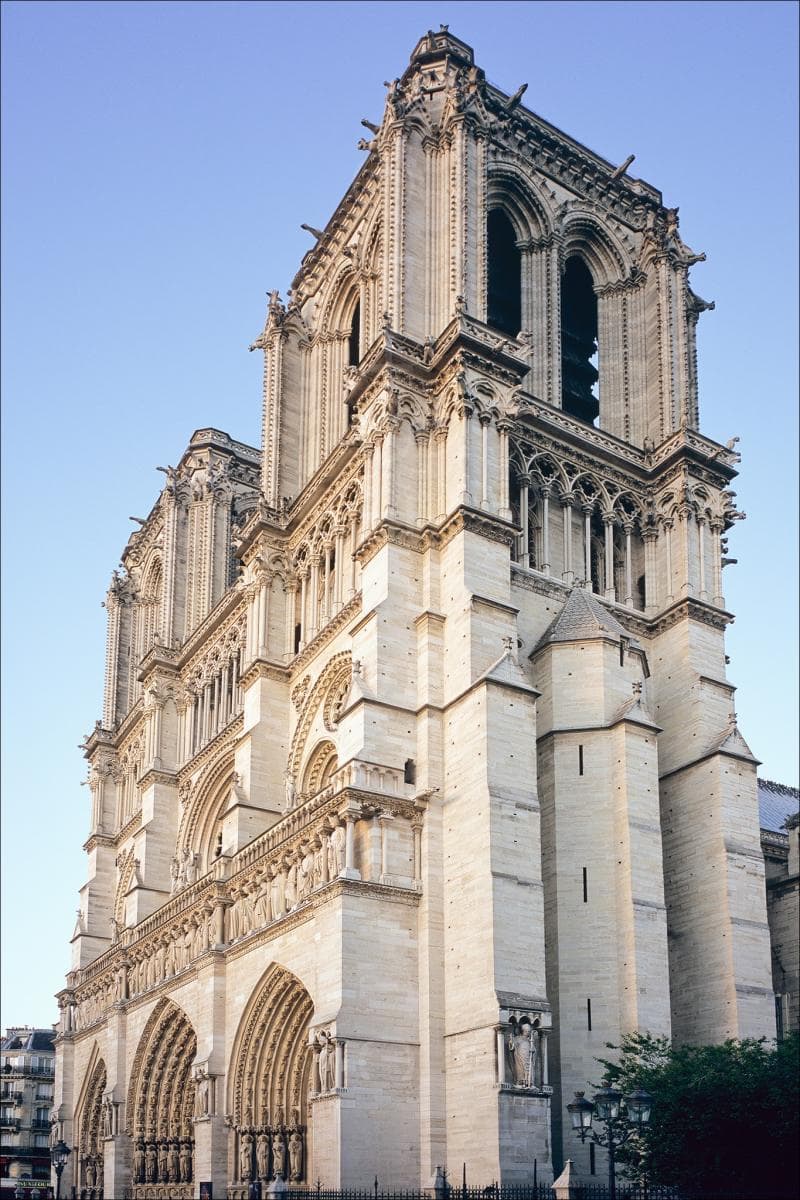
Discover the history and symbolism of the gargoyles and chimeras at Notre-Dame Cathedral in Paris, France. Explore these fascinating stone figures.
Overview
High above the bustling streets of Paris, nestled within the architectural grandeur of Notre-Dame Cathedral, stand the enigmatic stone figures known as the gargoyles and chimeras. These silent sentinels are much more than mere decorative elements; they are a profound visual narrative, weaving together centuries of history, faith, and artistic imagination. While often used interchangeably, there's a crucial distinction: gargoyles serve a practical purpose, acting as water spouts to protect the cathedral's masonry from rain, whereas chimeras are purely ornamental, depicting fantastical creatures that gaze out over the city.
These captivating sculptures offer a unique window into the medieval mind and the 19th-century Gothic Revival. They represent both the practical genius of early builders and the artistic vision of later restorers, making them an essential part of understanding Notre-Dame's enduring legacy.
History & Cultural Background
The history of Notre-Dame's gargoyles stretches back to the cathedral's initial construction between the 12th and 14th centuries. These early gargoyles were functional masterpieces of medieval hydraulic engineering, designed to channel rainwater away from the walls and foundations, thus preventing erosion and preserving the delicate stonework. The term 'gargoyle' itself comes from the Old French 'gargouille', meaning throat, reflecting their role as water conduits.
However, many of the most famous and visible grotesque figures that capture imaginations today were largely added during the extensive 19th-century restoration led by Eugène Viollet-le-Duc. During this period, numerous chimeras, or grotesques, were introduced. Unlike the medieval gargoyles, these were purely decorative, intended to enhance the mystical atmosphere of the Gothic structure and to serve as a visual commentary on the world outside the church. Viollet-le-Duc's restoration sought to return the cathedral to an idealized Gothic state, incorporating imaginative creations inspired by medieval art.
What Makes It Special
What truly distinguishes Notre-Dame's collection of stone beasts is the interplay between their practical function and their profound symbolism. The genuine gargoyles, with their elongated forms, efficiently project water far from the building, a testament to medieval architectural ingenuity.
The chimeras, on the other hand, are celebrated for their intricate designs and the diverse array of fantastical beasts, human figures, and hybrid creatures they portray. They are strategically positioned along the cathedral's upper levels, particularly the Gallery of Chimeras, offering striking views and creating dynamic visual relationships as they appear to interact with the Parisian skyline. This blend of authentic medieval engineering with 19th-century artistic vision provides a unique window into different historical periods and artistic sensibilities.
Stories, Fun Facts & Local Details
- Gargoyle vs. Chimera: The most important fun fact is the distinction. If it spouts water, it's a gargoyle. If it's purely decorative, it's a chimera or grotesque. The famous 'Stryge' (the Thinker), a winged figure often seen gazing pensively over Paris, is a chimera, not a gargoyle, as it has no drainage function.
- Wardens Against Evil: In medieval times, gargoyles were believed to ward off evil spirits and serve as protectors of the sacred site. Their terrifying faces were thought to frighten away malevolent forces from entering the church.
- Visual Sermons: For a largely illiterate medieval population, these grotesque figures, along with other cathedral sculptures, served as a powerful form of visual storytelling. They conveyed religious messages, reminding believers of sin, temptation, and the battle between good and evil, urging them towards faith.
- Symbolic Contrast: The gargoyles and chimeras symbolize the sinful world outside, in stark contrast to the purity and holiness found within the church's walls. Passing them before entering the cathedral was a symbolic act of leaving the chaotic, dangerous world behind.
- Victor Hugo's Influence: The gargoyles and chimeras gained significant prominence and romantic association through Victor Hugo's novel 'The Hunchback of Notre-Dame', where the cathedral itself acts as a character, bringing these stone figures into the popular imagination.
Visitor Perspective
For a curious traveler, encountering the gargoyles and chimeras of Notre-Dame is an immersive historical experience. Imagining the original purpose of the medieval gargoyles protecting the structure, then contemplating the expressive chimeras added later, offers a dual appreciation of both practical engineering and artistic expression.
While the interior of Notre-Dame is undergoing extensive restoration following the 2019 fire, the exterior sculptures remain a vital part of the cathedral's identity. They invite visitors to look up and ponder the stories carved in stone, providing a tangible connection to centuries of Parisian history and faith. These watchful stone creatures continue to stand guard, inviting contemplation and wonder, truly making them guardians of a Gothic masterpiece.
Coordinates: 2.35, 48.85306
View on Google Maps💬 How Travelers Describe This Place
Based on community votes
Must See
948Beautiful
913Photogenic
499Unique
337Interesting
94
Traveler Stories
Discover memorable experiences shared by travelers who have visited this place.
No traveler stories yet.
Be the first traveler to share what made this place memorable.

Tour
By
Spot
Discover amazing places around the world. Your journey starts here.
Explore
© 2026 TourBySpot. All rights reserved.