The Bell Towers
Paris, France
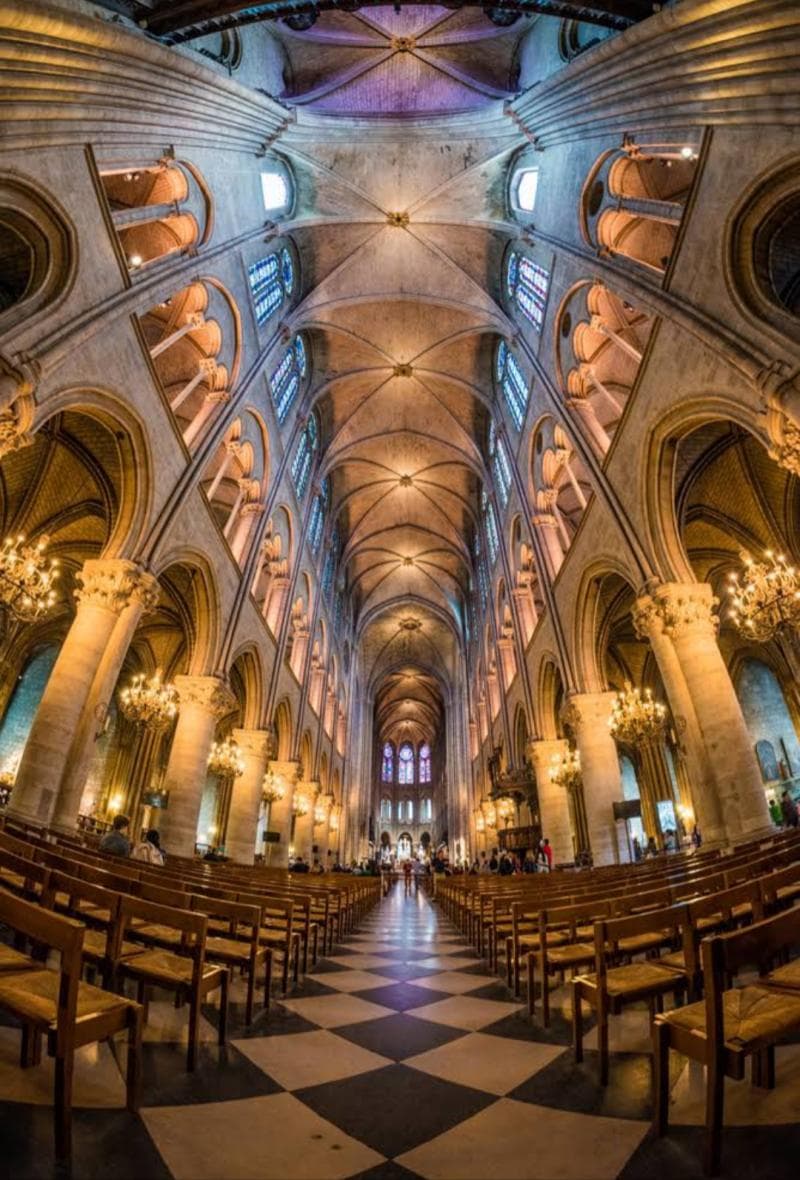
Explore the iconic Bell Towers of Notre-Dame Cathedral in Paris, France. Discover their history, fascinating facts, and breathtaking views of the city.
Overview
Perched majestically above the Île de la Cité, the Bell Towers of Notre-Dame Cathedral in Paris, France, stand as timeless sentinels, offering not just a spectacular architectural marvel but also a profound journey through history. These twin towers, an integral part of the cathedral's iconic facade, beckon visitors to explore their ancient stones and discover the stories etched within. Rising approximately 69 meters (226 feet) into the Parisian sky, they were once the tallest structures in the city, dominating the urban landscape until the late 19th century. Today, following extensive restoration, they invite curious travelers to ascend their storied steps and experience unparalleled panoramic views of the City of Light, the winding Seine, and the intricate details of the cathedral itself. A visit to the Bell Towers is an immersive dive into the heart of Parisian heritage, blending architectural grandeur with a rich tapestry of cultural and historical significance.
History & Cultural Background
The construction of the Bell Towers dates back to the 12th and 13th centuries, with completion around 1250, making them a testament to the early Gothic architectural prowess. These formidable structures were built as part of the larger Notre-Dame Cathedral, whose construction commenced in 1163 and spanned nearly two centuries. Throughout their existence, the towers have witnessed pivotal moments in French history, standing silent during upheavals and ringing out in celebration. The bells themselves hold significant historical weight; during the tumultuous French Revolution, most of the original bells were melted down for ammunition. However, the largest and most revered bell, Emmanuel, was miraculously spared due to the deep respect it commanded among Parisians. The towers and their bells have been integral to the narrative of Paris, symbolizing resilience and continuity through centuries of change.
What Makes It Special
What truly sets the Bell Towers of Notre-Dame apart is their unparalleled combination of historical depth, architectural brilliance, and sensory experience. The ascent, now enhanced with modern interpretive elements, provides a unique perspective on the cathedral's medieval engineering. Visitors can explore a newly designed immersive tour route, beginning at the foot of the south tower and winding upwards. Along the way, informative displays, models of the cathedral, and even original chimeras offer insights into the monument's construction and evolution. The pinnacle of the experience is undoubtedly the breathtaking 360-degree vista of Paris. From this vantage point, one can gaze upon the restored spire, the Seine river, and countless Parisian landmarks, appreciating the city's layout from a truly elevated perspective.
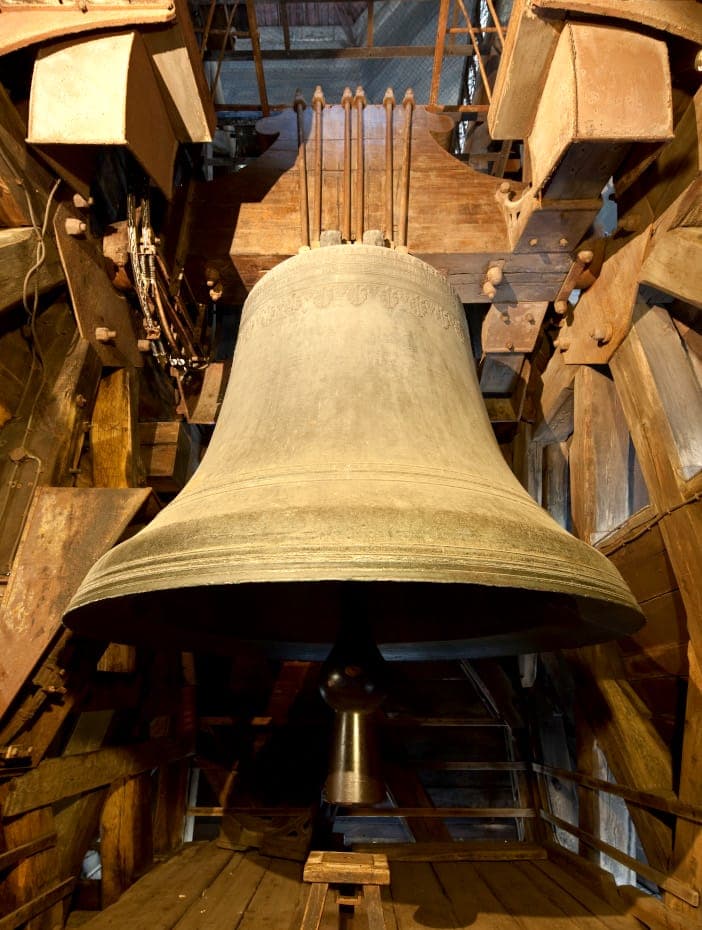
Furthermore, the opportunity to encounter the colossal bells up close, especially the legendary Emmanuel, is a rare privilege. The sheer scale and historical importance of these instruments evoke a profound sense of awe. The wooden frameworks, known as belfries, which absorb the immense vibrations of the bells, are engineering marvels in themselves, ensuring the stability of the ancient structure. The recent restoration work, completed in anticipation of their reopening on September 20, 2025, has introduced a new double spiral oak staircase, significantly improving the visitor experience while respecting the historical fabric of the towers. This blend of ancient craftsmanship and thoughtful modernization makes the Bell Towers a truly distinctive destination.
Stories, Fun Facts & Local Details
The Bell Towers are famously intertwined with Victor Hugo's enduring novel, 'The Hunchback of Notre-Dame'. Though the character of Quasimodo was fictional, his association with the bell towers has cemented their place in popular imagination worldwide. Hugo's novel is credited with reigniting public interest in the cathedral during a period of neglect, ultimately leading to its significant 19th-century restoration. Another fascinating detail concerns the gargoyles that adorn the towers. Far from being merely decorative, these grotesque figures served a crucial practical purpose in medieval architecture: they acted as elaborate rainwater spouts, directing water away from the cathedral's walls to prevent erosion.
The most celebrated bell, Emmanuel, housed in the South Tower, weighs over 13 tons and was cast in 1686. It has marked some of France's most significant historical events, including the coronation of Napoleon in 1804 and the Liberation of Paris in 1944. The other bells, replaced in 2013, each bear names, many in homage to saints and important figures in the diocese, such as Marie, Gabriel, and Anne-Geneviève. Interestingly, the North Tower is slightly larger than the South Tower, a subtle asymmetry that adds to their unique character. The area between the towers, known as the 'courtyard of the cisterns', provides a glimpse of the 'forest', the cathedral's magnificent timber framework, now restored in solid oak according to medieval designs.
Visitor Perspective
Visiting the Bell Towers of Notre-Dame is an unforgettable experience for any traveler. While the ascent requires climbing 424 steps, the journey is rewarded with incredible insights and vistas. The redesigned tour ensures that visitors can pause and absorb information at various stages, offering a blend of physical activity and intellectual engagement. Although there are no elevators, new lighting and sturdy handrails make the spiral stone staircase more accessible, with spaces provided for rest. It's important to note that access to the towers is by reservation only, and tickets should be booked online in advance, especially during peak seasons. This ensures a smoother entry and helps manage visitor flow. The panoramic views from the top provide a deep connection to Paris, allowing one to grasp the city's historical layout and appreciate the centuries of urban evolution. Standing atop these ancient towers, looking out over the vibrant city, one truly feels connected to the enduring spirit of Paris and the profound legacy of Notre-Dame.
Coordinates: 2.34984, 48.85293
View on Google Maps💬 How Travelers Describe This Place
Based on community votes
Interesting
800Must See
658Beautiful
589Photogenic
387Unique
90
Traveler Stories
Discover memorable experiences shared by travelers who have visited this place.
No traveler stories yet.
Be the first traveler to share what made this place memorable.

Tour
By
Spot
Discover amazing places around the world. Your journey starts here.
Explore
© 2026 TourBySpot. All rights reserved.