The Bat Cave
Cancún, Mexico
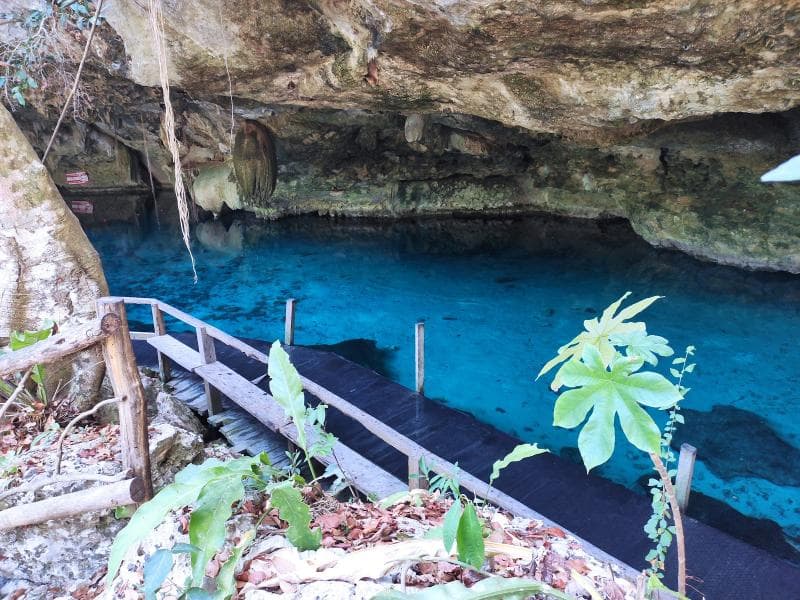

Explore The Bat Cave in Cenote Dos Ojos, Cancún, Mexico. Discover an underworld of bats, crystal-clear waters, and stunning formations.
Overview
Nestled within the lush Yucatán Peninsula, near the vibrant town of Cancún, Mexico, lies the renowned Cenote Dos Ojos. This natural wonder, whose name translates to 'Two Eyes' in Spanish, is a captivating flooded cave system famous for its crystal-clear waters and intricate underwater formations. Among its many fascinating sections, 'The Bat Cave' stands out as a truly unique sub-spot, offering an immersive experience into a subterranean world teeming with life and geological marvels. It is an integral part of the larger Sistema Sac Actun, one of the longest underwater cave systems globally, making any visit here a journey into a significant natural landmark.
The Bat Cave is not merely a dark recess; it is a distinct cavern line within Cenote Dos Ojos, characterized by its dramatic atmosphere and the presence of hundreds of bats. This section provides a stark contrast to other more brightly lit areas of the cenote, inviting adventurers into a realm where the sounds of dripping water and the gentle flutter of wings create an unforgettable ambiance. Whether you are a diver exploring its depths or a snorkeler peering into its mysteries, The Bat Cave promises an encounter with nature's hidden artistry.
History & Cultural Background
Cenotes, like Dos Ojos, are geological formations unique to the Yucatán Peninsula, created over millennia by the collapse of limestone bedrock, exposing the groundwater beneath. These natural sinkholes were far more than just water sources for the ancient Maya civilization; they were considered sacred portals to Xibalba, their mythical underworld. The Maya believed cenotes were places where gods resided and where communication with ancestors was possible, often performing rituals and making offerings in their clear waters.
The name 'Dos Ojos' itself, meaning 'Two Eyes,' refers to the two neighboring cenotes that appear like a pair of large eyes looking into the underground world, connected by a vast cavern zone. The exploration of the Dos Ojos cave system began in 1987, gradually revealing its extensive network of passages. In January 2018, a significant discovery connected Dos Ojos with the nearby Sistema Sac Actun, solidifying its status as part of one of the world's longest known underwater cave systems.
What Makes It Special
The Bat Cave within Cenote Dos Ojos offers an unparalleled experience, primarily due to its namesake residents and the unique environment they inhabit. As visitors navigate this section, they enter an air-filled dome where hundreds of bats roost on the ceiling. Divers often have the opportunity to surface within this dome, allowing for a moment of quiet observation of these fascinating creatures in their natural habitat.
This particular cavern line is known for its darker, more atmospheric ambiance compared to other parts of Dos Ojos, creating a sense of true exploration. The limited daylight enhances the dramatic effect of the striking limestone formations, including impressive stalactites, stalagmites, and columns that have formed over thousands of years. The water throughout Cenote Dos Ojos, including The Bat Cave, maintains an exceptional clarity, a result of rainwater being naturally filtered through the limestone. This allows for incredible visibility, making the intricate geological features and any aquatic life easily observable.
Stories, Fun Facts & Local Details
The name 'Dos Ojos' is a direct and poetic description of its two main entrances, resembling eyes peering into the earth. The Bat Cave itself is a testament to the intricate balance of nature; the bats play a crucial role in the cenote's ecosystem, helping to control the insect population, which contributes to the overall pleasantness of the environment for visitors.
Cenote Dos Ojos has also garnered international attention beyond its natural beauty. Its stunning underwater landscapes have been featured in significant films, including the 2010 IMAX production 'Journey into Amazing Caves' and scenes from the 2005 Hollywood film 'The Cave'. This cinematic recognition further highlights the unique and awe-inspiring nature of this subterranean world. The connection of Dos Ojos to the Sistema Sac Actun makes it part of a truly monumental natural wonder, a vast network of flooded passages that continues to be explored and mapped by cave divers.
Visitor Perspective
Visiting The Bat Cave within Cenote Dos Ojos is an adventure that appeals to both certified divers and snorkelers. For divers, it typically represents a Level 2 cavern dive, offering a more adventurous experience with its darker passages and the incredible opportunity to surface in the bat chamber. Snorkelers, accompanied by experienced guides, can also venture into areas that allow them to appreciate the unique formations and the subtle, ethereal light that penetrates the cavern.
The water temperature in Dos Ojos remains a comfortable 24-25°C (76-77°F) year-round, making for pleasant conditions regardless of the season. Guides are essential for navigating this complex environment safely and for enhancing the understanding of its geological and ecological significance. The experience is often described as feeling like an exploration into a different world, evoking a sense of wonder and deep connection to the ancient, powerful forces of nature that shaped this incredible corner of Mexico.
Coordinates: -87.39194, 20.32472
View on Google Maps💬 How Travelers Describe This Place
Based on community votes
Unique
872Beautiful
846Interesting
684Photogenic
363Must See
87
Traveler Stories
Discover memorable experiences shared by travelers who have visited this place.
No traveler stories yet.
Be the first traveler to share what made this place memorable.

Tour
By
Spot
Discover amazing places around the world. Your journey starts here.
Explore
© 2026 TourBySpot. All rights reserved.