Thanh Nien Road
Hanoi, Vietnam
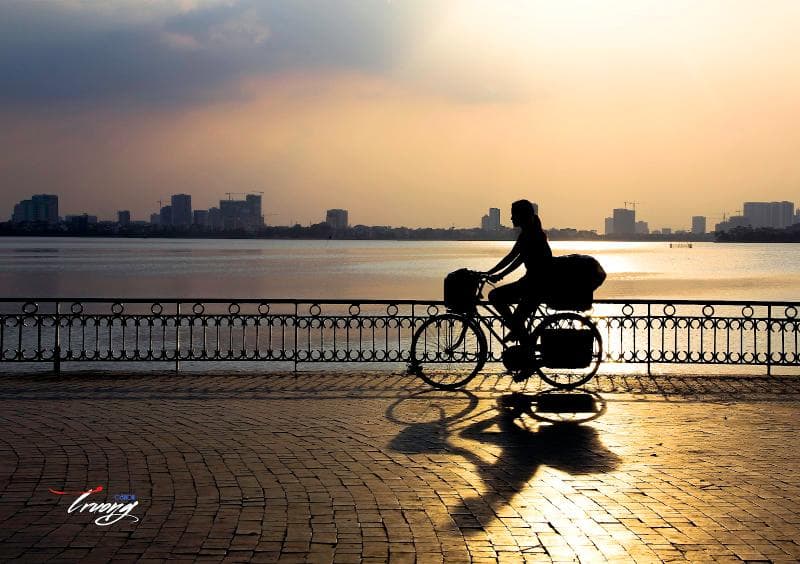
Explore Thanh Nien Road in Hanoi, Vietnam, a scenic causeway between West Lake and Truc Bach Lake, rich in history and cultural landmarks.
Overview
Thanh Nien Road, often lauded as 'Hanoi's most beautiful street', offers a unique and serene experience within Vietnam's bustling capital. This picturesque causeway gracefully divides two of Hanoi's most iconic bodies of water: the expansive West Lake (Ho Tay) to its west and the smaller, more intimate Truc Bach Lake to its east. More than just a thoroughfare, Thanh Nien Road is a beloved local spot, especially during the tranquil hours of sunrise and sunset, when locals and visitors alike gather to stroll, cycle, and soak in the breathtaking lakeside vistas. Its shaded pathways and gentle breezes provide a peaceful respite from the city's vibrant energy, making it a perfect destination for those seeking both historical depth and natural beauty.
History & Cultural Background
The story of Thanh Nien Road is deeply intertwined with the history of Hanoi's lakes. Originally, West Lake and Truc Bach Lake were one continuous body of water. During the 17th century, local fishermen constructed a narrow embankment, a dyke, to create a shortcut and facilitate fish farming. This original path was known as 'Co Ngu', meaning 'steady maintenance', a name reflecting the constant effort required to preserve it against the forces of nature. Over time, particularly during French colonial rule, the pronunciation morphed, sometimes even into 'Ancient Fish Road'.
A significant transformation occurred in the early 1960s. Following the liberation of the capital, the road was expanded and officially renamed 'Thanh Nien Road' by President Ho Chi Minh. 'Thanh Nien' translates to 'Youth' in Vietnamese, a tribute to the young students and volunteers who played a crucial role in widening and improving the road. This renaming not only honored their contributions but also imbued the road with a symbolic connection to the nation's burgeoning youth and future.
What Makes It Special
What truly sets Thanh Nien Road apart is its extraordinary position, acting as a natural bridge between two distinct lakes. On one side, the vast West Lake stretches out, often presenting a hazy, ethereal quality at dawn or a fiery spectacle at dusk. On the other, Truc Bach Lake offers a more intimate, tranquil scene. This dual perspective provides an ever-changing panorama that captivates all who visit. The road itself is lined with mature trees, providing abundant shade and a refreshing ambiance even on warmer days, making it ideal for leisurely activities.
Furthermore, Thanh Nien Road is home to some of Hanoi's most significant cultural and historical landmarks. Perched on an islet connected to the road by a small causeway is the Tran Quoc Pagoda, Hanoi's oldest Buddhist temple, dating back to the 6th century. At the southern end of the road, near Ba Dinh Square, stands the ancient Quan Thanh Temple, an 11th-century Taoist temple dedicated to Saint Tran Vu, one of the 'Four Sacred Temples' protecting the city. These historical sites add profound cultural richness to the scenic beauty of the road, making every step a journey through history and spirituality.
Stories, Fun Facts & Local Details
The history of Truc Bach Lake itself holds fascinating tales. Legend has it that Lord Trinh Doanh (1720-1767) once had a palace on its banks, which later became a place where imperial maidens who had displeased the court were sent. These women were tasked with raising silkworms and weaving exquisite silk, giving the lake its name 'Truc Bach' (Bamboo White Lake), referring to the fine, ivory-white silk produced there.
Tran Quoc Pagoda, a focal point along Thanh Nien Road, not only boasts a 1,500-year history but also houses a sacred Bodhi tree. This tree was grown from a cutting of the original Bodhi tree in Bodh Gaya, India, under which Buddha achieved enlightenment. It was gifted to Vietnam in 1959 by the first President of India, Rajendra Prasad, symbolizing a deep spiritual connection. The pagoda's stunning eleven-story stupa, adorned with Amitabha Buddha statues, is particularly striking, especially when illuminated at night.
The area around Thanh Nien Road is also famous for its local charm. You might spot vendors selling 'bo bia', a sweet street snack made of sugarcane, coconut, and sesame seeds in a corn wrap. The vibrant atmosphere is further enhanced by the sight of flower traders with their colorful bouquets and the option to rent swan paddle boats on Truc Bach Lake, often favored by couples.
Visitor Perspective
For visitors, Thanh Nien Road offers a multi-faceted experience. It's a prime location for a leisurely morning walk or an afternoon bike ride, allowing travelers to absorb the tranquil atmosphere and enjoy the fresh air. The cooler temperatures and fewer crowds in the early mornings (5:30 AM to 8:00 AM) or late afternoons (4:30 PM to 6:30 PM) are often recommended for the most pleasant experience.
Beyond the physical activity, the road provides a cultural immersion. A visit to Tran Quoc Pagoda allows for a glimpse into Vietnam's ancient Buddhist heritage, while Quan Thanh Temple offers insights into Taoist traditions. The seamless blend of historical landmarks, spiritual sites, and natural beauty makes Thanh Nien Road an essential stop for any curious traveler to Hanoi. Whether you're seeking a moment of peace, a historical journey, or simply a beautiful spot to watch the sunset over the lakes, Thanh Nien Road delivers a memorable experience that truly captures the soul of the city.
Coordinates: 105.8361, 21.0456
View on Google Maps💬 How Travelers Describe This Place
Based on community votes
Interesting
921Must See
617Beautiful
357Photogenic
232Unique
147
Traveler Stories
Discover memorable experiences shared by travelers who have visited this place.
No traveler stories yet.
Be the first traveler to share what made this place memorable.

Tour
By
Spot
Discover amazing places around the world. Your journey starts here.
Explore
© 2026 TourBySpot. All rights reserved.