Thai Massage School and Pavilions
Bangkok, Thailand
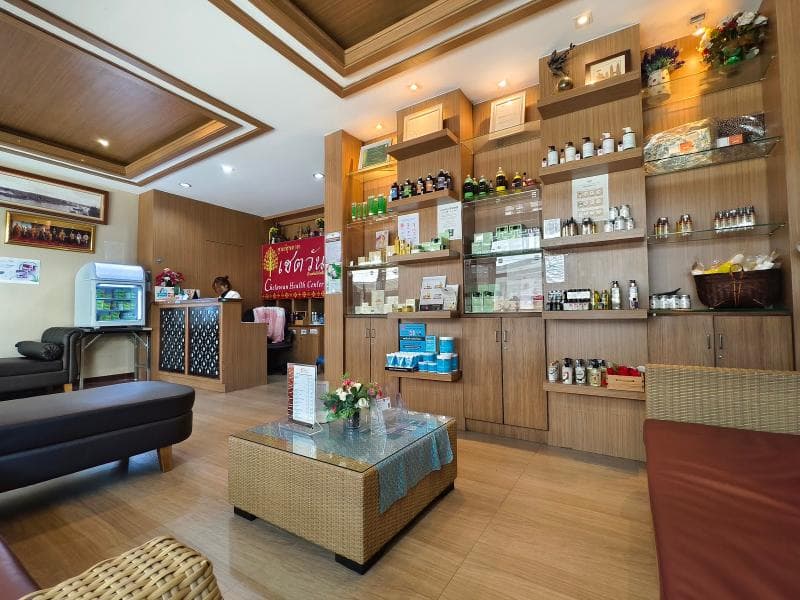
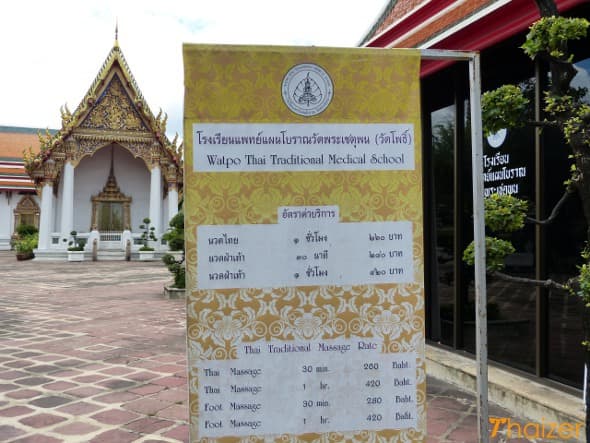
Discover the Thai Massage School and Pavilions at Wat Pho, Bangkok, Thailand, the revered birthplace of traditional Thai massage and ancient healing arts.
Overview
Nestled within the historic grounds of Wat Pho, one of Bangkok's oldest and most revered temples, lies the renowned Thai Massage School and Pavilions. This isn't just a place to receive a relaxing massage; it is considered the birthplace and spiritual home of traditional Thai massage, known locally as 'Nuad Thai'. Here, ancient healing traditions are preserved and taught, offering a unique glimpse into Thailand's rich cultural heritage.
Wat Pho, officially named Wat Phra Chetuphon Wimon Mangkhlaram Ratchaworamahawihan, is a sprawling complex famous for its gigantic Reclining Buddha. Beyond its magnificent statuary, the temple has served for centuries as a public center for education, particularly in traditional medicine. The Thai Massage School, formally established in 1955, continues this legacy, being the first school of Thai medicine approved by the Thai Ministry of Education.
Visitors to the Pavilions can experience an authentic Thai massage performed by highly trained therapists, many of whom are graduates of the school itself. The atmosphere is one of serene dedication to the art of healing, rather than a typical commercial spa, making it an essential stop for those seeking genuine cultural immersion and restorative well-being.
History & Cultural Background
The roots of Thai massage at Wat Pho run deep into Thai history and traditional medicine. The origins of 'Nuad Thai' are often attributed to Jivaka Komarabhacca, the personal physician to the Buddha, over 2,500 years ago. As Buddhism spread to Thailand, so did these healing practices.
A pivotal moment in the preservation of this knowledge occurred during the reign of King Rama III (1824-1851). He commissioned the inscription of texts on traditional Thai medicine, including herbal remedies, massage techniques, and yoga postures, onto stone tablets and murals around Wat Pho. This monumental effort transformed the temple into a veritable open university, making this vital medical wisdom accessible to the public.
These detailed inscriptions, which include diagrams of energy lines ('Sen Sib') and acupressure points, remain a testament to the comprehensive understanding of the human body and its energy pathways within Thai traditional medicine. In 2008 and 2011, these inscriptions were recognized by UNESCO under its 'Memory of the World' program, highlighting their global significance. More recently, in 2019, traditional Thai massage itself was added to UNESCO's Intangible Cultural Heritage of Humanity list, further cementing its cultural importance.
What Makes It Special
The Thai Massage School and Pavilions at Wat Pho hold a special place as the 'home of Thai massage'. It is revered for its authenticity and the meticulous preservation of ancient techniques. Unlike many modern massage establishments, the practices here are deeply rooted in centuries-old medical knowledge, combining elements of Ayurveda, yoga, and Chinese acupressure, adapted through Thai culture.
The school teaches four basic courses in Thai medicine: Thai pharmacy, Thai medical practice, Thai midwifery, and Thai massage. This comprehensive approach ensures that therapists are not just practitioners, but understand the holistic philosophy behind the healing art. Certificates from Wat Pho are highly respected and recognized worldwide, underscoring the school's commitment to excellence and tradition.
The unique integration of stimulating acupressure points along the body's energy lines, harmonizing the four elements (earth, water, wind, and fire), and the use of herbal compresses distinguish Wat Pho's approach. It is a place where the art of healing is passed down with a devotion that honors its royal patronage and the wisdom of generations.
Stories, Fun Facts & Local Details
Imagine wandering through the temple grounds, admiring the vibrant architecture and the serene Reclining Buddha, and then stumbling upon the quiet pavilions where the rhythmic pressing and stretching of traditional Thai massage takes place. The air is often filled with the aromatic scents of local herbs, contributing to the sensory experience.
One interesting detail is the presence of statues of 'Ruesi Datton', or hermit-sages in various yoga-like stretching poses, scattered throughout the temple. These statues serve as visual aids, depicting ancient exercises for health and well-being, directly linking to the physical aspects of Thai massage and traditional self-care.
Historically, temples like Wat Pho were not just religious centers but also vital community hubs where knowledge, including medical practices, was shared. The decision by King Rama III to engrave medical texts ensured that this healing wisdom would not be lost, making it one of the earliest forms of public education in Thailand. Many early practitioners were monks who used these techniques to treat the sick and aged.
Visitor Perspective
For visitors, experiencing a Thai massage at Wat Pho is more than just a momentary indulgence; it's a journey into a living cultural tradition. Sessions are typically held in simple, open-air pavilions, sometimes with beds lined up side-by-side, offering a communal yet deeply personal experience. While it may not offer the plush privacy of a modern spa, it provides an authentic and deeply restorative encounter with 'Nuad Thai'.
Visitors often report feeling invigorated and relaxed for days afterward, attributing this to the vigorous yet therapeutic techniques that reach deep-seated muscle tissues. Therapists apply pressure with hands, elbows, knees, and feet, guiding the body through a series of stretches that rebalance energy and structure. It's advisable to book your massage upon arrival, especially during peak times, as there can be a wait.
Beyond receiving a massage, those with a deeper interest can enroll in short courses offered at the school, allowing them to learn fundamental Thai massage techniques. This provides a tangible skill and a deeper appreciation for this ancient healing art, which they can even take home with them. It’s an opportunity to connect with a practice that has healed and nurtured generations.
Coordinates: 100.4895, 13.7412
View on Google Maps💬 How Travelers Describe This Place
Based on community votes
Photogenic
996Unique
494Interesting
193Beautiful
125Must See
82
Traveler Stories
Discover memorable experiences shared by travelers who have visited this place.
No traveler stories yet.
Be the first traveler to share what made this place memorable.

Tour
By
Spot
Discover amazing places around the world. Your journey starts here.
Explore
© 2026 TourBySpot. All rights reserved.