Textile Shops
Vientiane, Laos
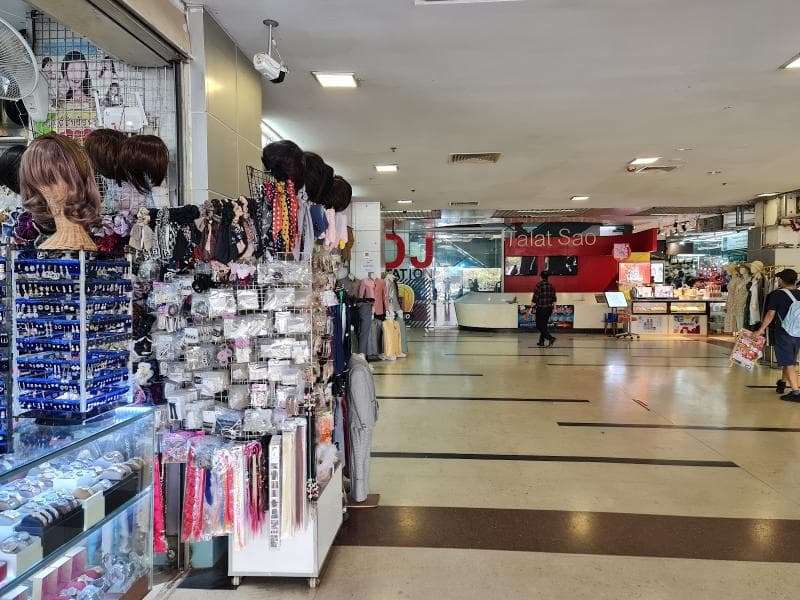
Explore the vibrant Textile Shops at Talat Sao Morning Market in Vientiane, Laos. Discover handwoven Lao silk, traditional patterns, and cultural stories behind these unique fabrics.
Overview
Nestled within the bustling heart of Vientiane, Laos, the Textile Shops at Talat Sao Morning Market offer a captivating journey into the country's rich artisanal heritage. Talat Sao, meaning 'Morning Market', is a vibrant commercial hub where tradition harmonizes with modern commerce, evolving from an open-air bazaar into a complex that includes both traditional stalls and a contemporary shopping mall.
The textile section stands out as a particular highlight, renowned for its extensive selection of authentic Lao silk, handwoven cotton, and ethnic handicrafts. Here, visitors can explore a kaleidoscopic array of fabrics, from delicate silk scarves and sarongs to intricately embroidered pieces, each telling a story of Lao culture and craftsmanship. It's a place where the rhythmic clack of looms, though perhaps less common in the market stalls themselves, echoes the spirit of the skilled hands that produce these beautiful creations. Open daily from early morning until late afternoon, these shops provide a unique opportunity to acquire textiles that are both beautiful souvenirs and meaningful cultural artifacts.
History & Cultural Background
The tradition of textile weaving in Laos is an ancient art, deeply interwoven with the nation's cultural identity and passed down through generations. Historically, Lao women have been the primary weavers, creating textiles for domestic use, ceremonial purposes, and as expressions of personal and communal identity. These cloths were, and continue to be, designed to convey cultural identities, weaving techniques, and spiritual beliefs, with intricate designs depicting aspects of daily life, ethnic affiliation, and religious views.
The ankle-long tubular skirt, known as the 'sinh', is a prime example of this cultural significance, with its weaving styles, colors, and patterns varying according to ethnic group and often indicating the wearer's marital status and age. While the ancient silk-weaving tradition faced threats during tumultuous periods like the Lao Civil War, the resilience of these techniques and designs persisted. The Talat Sao market itself has roots in the early 20th century as a central trading hub, and its textile shops continue this legacy, showcasing the enduring art form that has become an important economic opportunity for many women in rural communities.
What Makes It Special
The textile shops at Talat Sao Morning Market are special because they are a showcase of Laos's exquisite handwoven textiles, particularly its renowned silk and finely woven cotton. What truly distinguishes these textiles are their intricate patterns and motifs, often inspired by nature, mythology, and spiritual beliefs. Common designs include mythical creatures like the Naga, a powerful river creature symbolizing protection and strength, and the Siho, a half-lion, half-elephant figure unique to Laos, representing strength and fertility. Each pattern is imbued with deep meaning, reflecting social status, family connections, or religious beliefs.
The craftsmanship involves traditional techniques such as ikat (where patterns are dyed onto threads before weaving) and supplementary weft brocade, resulting in vibrant, richly textured fabrics. The natural dyes, often derived from plants, flowers, and minerals, contribute to the unique color palettes seen in Lao textiles. The market offers a diverse range of textiles from various ethnic groups, each with its own distinct style and symbolism, making every piece a unique artistic expression and a tangible link to Laos's diverse cultural tapestry.
Stories, Fun Facts & Local Details
Lao textiles carry stories that span generations. It's a fun fact that many Lao girls begin to learn the art of weaving from their mothers and grandmothers before the age of ten, making it a fundamental skill and a cherished rite of passage. Historically, being a skilled weaver was a great honor for women, particularly when crafting their dowry textiles, which showcased their artistry and dedication. These textiles play a central role in significant life events, from the silk clothes worn during Buddhist ordination ceremonies to the elaborate patterns created for weddings and funerals.
The traditional 'sinh', for instance, is thoughtfully constructed in three parts: the 'Houa Sinh' (waist), the 'Phune Sinh' (body), and the 'Tin Sinh' (hem), each section often featuring distinct patterns. While the market is a commercial center, it retains an authentic local feel, and bargaining is a common and expected practice, adding a lively interaction to the shopping experience. The coexistence of the traditional market stalls with the newer shopping mall section within Talat Sao itself is a quirky detail, reflecting Vientiane's blend of old and new.
Visitor Perspective
Stepping into the textile shops at Talat Sao Morning Market is an immersive sensory experience. Visitors are greeted by a riot of colors, from the deep indigos to the brilliant reds and golds, and the soft, tactile feel of handwoven silks and cottons. You might find yourself drawn to the elegant drape of a silk scarf, the intricate details of a wall hanging, or the practical beauty of cushion covers.
To truly appreciate the offerings, take your time to browse and observe the patterns; many vendors are happy to explain the stories and meanings behind them. While supporting local artisans directly, you're not just purchasing a product but also a piece of Lao culture and a testament to enduring traditions. Remember that coming prepared with cash is advisable, and don't hesitate to engage in polite bargaining, as it's part of the local shopping etiquette. Visiting in the morning can provide a more comfortable experience with fewer crowds and the best selection of goods.
Coordinates: 102.61407, 17.96472
View on Google Maps💬 How Travelers Describe This Place
Based on community votes
Beautiful
873Interesting
477Unique
422Photogenic
157Must See
53
Traveler Stories
Discover memorable experiences shared by travelers who have visited this place.
No traveler stories yet.
Be the first traveler to share what made this place memorable.

Tour
By
Spot
Discover amazing places around the world. Your journey starts here.
Explore
© 2026 TourBySpot. All rights reserved.