Textile Shops
Phnom Penh, Cambodia
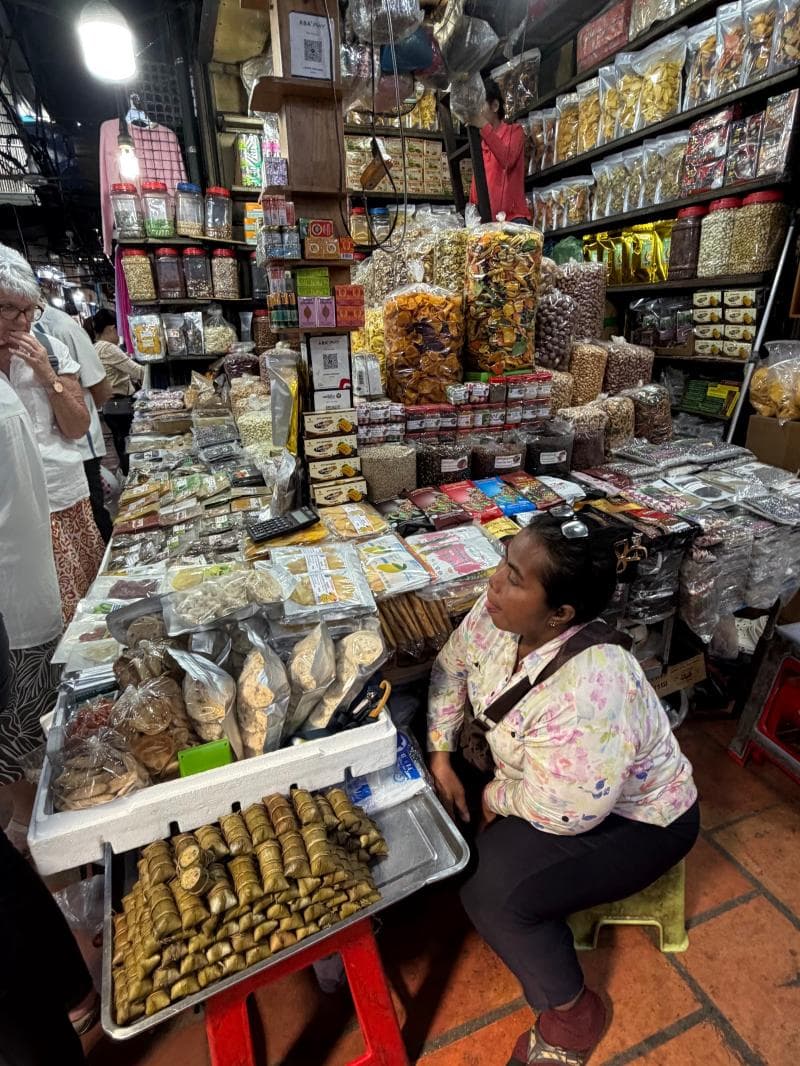
Explore vibrant textile shops at Phnom Penh's Russian Market, Cambodia. Discover exquisite Cambodian silks, traditional weaves, and unique fabrics rich in cultural heritage.
Overview
Stepping into the Textile Shops nestled within Phnom Penh's famed Russian Market, known locally as Psar Toul Tom Poung, is like unwrapping a colorful gift. This vibrant corner of the bustling market offers a sensory feast, a labyrinth of stalls overflowing with an astonishing array of fabrics, clothing, and accessories. From shimmering Cambodian silks to intricately patterned cottons and a surprising selection of brand-name garments, the textile section is a magnet for anyone seeking to immerse themselves in local craftsmanship or find a unique piece of Cambodia to take home. It is a dynamic hub where the threads of tradition and modern enterprise interweave, providing a genuine glimpse into the country's rich material culture.
The Russian Market itself is a sprawling, often warm, and perpetually active marketplace in the southern part of Phnom Penh, celebrated for its diverse offerings that extend far beyond textiles to include handicrafts, antiques, and souvenirs. Its textile shops, in particular, stand out as a highlight, drawing visitors with promises of both authentic local products and unexpected fashion finds. The sheer volume and variety can be overwhelming, yet it is precisely this abundance that makes exploration so rewarding.
History & Cultural Background
The Russian Market, despite its name, holds a distinctly Cambodian identity. Its curious moniker dates back to the 1980s, a period of post-war reconstruction when Russian expatriates frequently patronized the market, cementing its informal name among foreigners. The market's true Cambodian name, Psar Toul Tom Poung, reflects its local roots, predating its Russian association.
Cambodia's textile heritage, however, stretches back centuries, with evidence of sophisticated weaving techniques found as early as the Angkorian period, from the 9th to the 15th century. This art form is not merely a craft; it is a profound cultural expression, connecting contemporary Cambodians to their ancestors and ancient practices. Traditional textiles carry immense cultural significance, playing pivotal roles in religious ceremonies, weddings, and other vital communal events. The motifs, colors, and patterns intricately woven into these fabrics are not arbitrary; they often convey symbolic meanings, representing blessings, fertility, protection, or spirituality, deeply embedded in Khmer beliefs and folklore.
Distinguished Cambodian weaving techniques include ikat, a method where threads are dyed in patterns before weaving to create stunning, blurred designs, and brocade, characterized by elaborate supplementary weft threads that form rich, decorative motifs. Tragically, the Khmer Rouge regime between 1975 and 1979 led to a significant loss of these traditions, as many skilled weavers were displaced or perished. Nevertheless, dedicated efforts have emerged in recent years to revive and preserve these invaluable ancient techniques, ensuring their legacy continues.
What Makes It Special
The Textile Shops within the Russian Market are truly special for their blend of heritage and practicality. Here, visitors can uncover a treasure trove of Cambodian silks and cottons, renowned for their quality and intricate designs. The vibrant displays include traditional silk scarves and hand-loomed cotton ikat, showcasing the meticulous skill of Cambodian artisans. The market is one of the best places in Phnom Penh to find these authentic fabrics.
Beyond raw materials and finished traditional goods, a significant draw of the market's textile section is the availability of tailored clothing. Many stalls feature on-site tailors and seamstresses who can quickly alter garments or create custom pieces like dresses, shirts, or suits. This bespoke service offers a unique opportunity to acquire clothing perfectly suited to one's preferences and measurements, often with a relatively quick turnaround, making it a popular choice for visitors staying a few days in the capital.
Adding to its unique charm, the Russian Market is also famous for offering 'factory seconds' or surplus clothing from international brands. These items, originally intended for export from Cambodian manufacturing facilities, can be found at prices considerably lower than retail. While navigating this section requires a discerning eye to differentiate between genuine surplus, 'grey' market items, and outright fakes, the possibility of uncovering a high-quality garment at a bargain price adds an exciting dimension to the shopping experience.
Stories, Fun Facts & Local Details
One of the most intriguing aspects of the Russian Market is its enduring name, a direct result of historical circumstances rather than a reflection of its current wares. It is a delightful linguistic quirk that speaks to Phnom Penh's past as a temporary home for a significant Russian expat community.
A staple of Cambodian life and a common find in these textile shops is the 'krama.' This versatile, rectangular woven textile, typically made of cotton or silk, is far more than just a scarf. It serves myriad purposes in daily life: a fashion accessory, a protective head covering against the sun or dust, a makeshift towel, a hammock for a baby, or even a tool for carrying goods. Krama patterns, often grid-like, are a symbol of Cambodian identity, and some traditional beliefs suggest that wearing a silk krama can bring good luck. Its manual weaving on a 'Kei' or 'Kei Dombanh' handloom, often using natural dyes, highlights the deep connection to traditional craftsmanship still alive today.
A key local detail for visitors is the culture of bargaining. Haggling over prices is not just accepted, it's expected. A friendly negotiation can often lead to a significantly reduced price, sometimes 30% to 50% off the initial asking price. This exchange is part of the experience, offering a chance to interact with local vendors and embrace the market's lively atmosphere.
Visitor Perspective
For the curious traveler, the Textile Shops at the Russian Market offer an unparalleled opportunity for cultural immersion and souvenir hunting. It is a place where you can touch the textures of Cambodian heritage and witness the artistry of its people firsthand. The experience is undeniably authentic, reflecting the vibrant pulse of Phnom Penh.
Navigating the narrow aisles, with their profusion of colors and textures, is an adventure in itself. Visitors can admire the intricate patterns of traditional silks and cottons, gaining a deeper appreciation for the skill and creativity of Cambodian artisans. While the market can be warm and bustling, a morning visit is often recommended for a more comfortable experience, as it tends to be less crowded and cooler. Comfortable footwear is a must for exploring this expansive indoor maze. It is advisable to carry small denominations of Cambodian Riel or US dollars, as cash is the primary mode of payment. Ultimately, a visit to the Russian Market's Textile Shops is not just about shopping; it's about connecting with a piece of Cambodia's enduring cultural story and perhaps leaving with a beautiful, hand-crafted memory.
Coordinates: 104.91601, 11.56245
View on Google Maps💬 How Travelers Describe This Place
Based on community votes
Must See
853Unique
639Interesting
569Photogenic
128Beautiful
93
Traveler Stories
Discover memorable experiences shared by travelers who have visited this place.
No traveler stories yet.
Be the first traveler to share what made this place memorable.

Tour
By
Spot
Discover amazing places around the world. Your journey starts here.
Explore
© 2026 TourBySpot. All rights reserved.