Textile Gallery
Kuala Lumpur, Malaysia
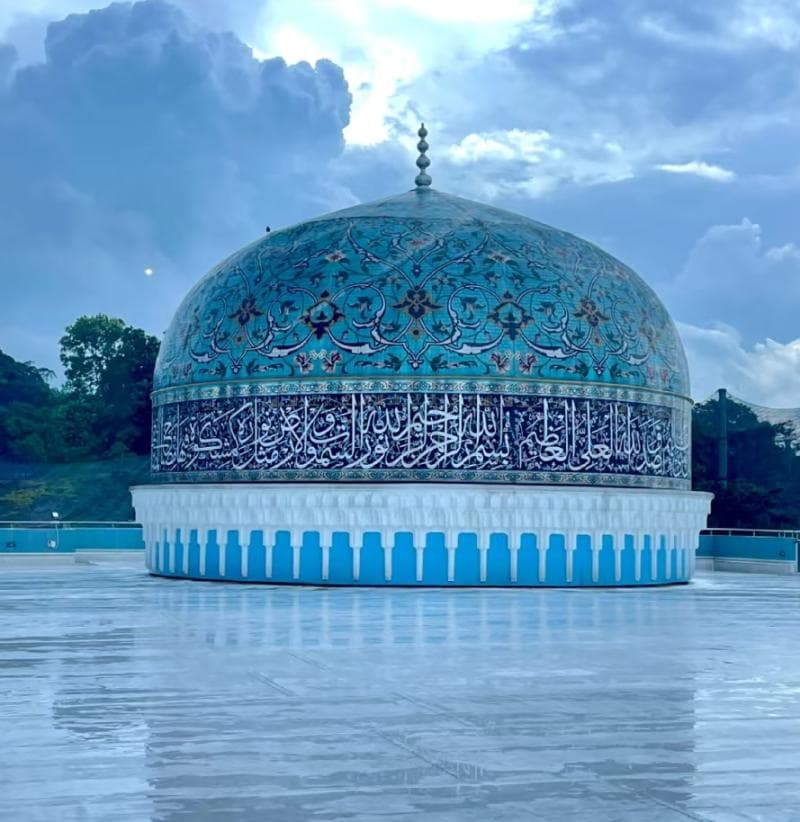
Discover the vibrant Textile Gallery at the Islamic Arts Museum in Kuala Lumpur, Malaysia. Explore centuries of exquisite Islamic fabrics and rich cultural history.
Overview
Stepping into the Textile Gallery within the Islamic Arts Museum in Kuala Lumpur, Malaysia, is like embarking on a vibrant journey through centuries of artistry and cultural exchange. This dedicated space showcases the profound role textiles have played across the Islamic world, moving beyond mere fabric to become expressions of status, wealth, and religious devotion. Located on the second level of the museum, it is one of twelve permanent galleries that invite visitors to explore the diverse and rich heritage of Islamic art, spanning over 1,400 years of history. The museum itself stands as Southeast Asia's largest museum of Islamic arts, housing an impressive collection of more than seven thousand artifacts.
The Textile Gallery offers a unique perspective on how Islamic artistic traditions adapted and flourished across different regions, from the Middle East to Southeast Asia. It reveals how threads, patterns, and colours come together to tell timeless stories of ingenuity and faith. Rather than simply displaying garments, the gallery illuminates the intricate techniques, symbolism, and historical significance woven into each piece, making it a compelling stop for anyone curious about the intersection of art, history, and culture.
History & Cultural Background
The history of Islamic textiles is deeply intertwined with the spread of Islam and the flourishing of trade routes. Textiles in the Islamic world were not merely functional; they were powerful communicators of identity, social standing, and religious allegiance. From elaborate woven silks to brilliantly colourfast dyed cottons, these creations were avidly sought after both within and beyond Islamic borders. Early Islamic textiles, often found in fragmentary forms, laid the groundwork for later, more complete and sophisticated examples that dominate museum collections today.
Different regions developed distinct styles and techniques. For instance, the eastern parts of the Islamic world, particularly during the Mughal era in India, became leading producers of superior cloths. Mughal artisans made significant advancements, popularising intricate plant motifs, notably those from Kashmir that influenced designs like the Paisley shawls. Iran and the Ottoman Empire also demonstrated exceptional expertise in embroidery, a skill later integrated into the Indo-Persian culture of the Mughal court. Central Asia, with its bold designs and striking colours, is renowned for its ikat weaves, creating textiles with almost psychedelic impact, particularly from centres like Bukhara and Samarqand. Closer to home, the Malay world boasts a rich textile heritage, exemplified by luxurious songket, fine tenun weaves, and intricately dyed batik, often incorporating a blend of Islamic and indigenous decorative elements.
What Makes It Special
What sets the Textile Gallery at the Islamic Arts Museum Malaysia apart is its comprehensive collection that highlights the diversity and refinement of Islamic textiles. The museum's curators have meticulously gathered pieces that reflect the varying artistic traditions and techniques from across the Islamic world, with a strong emphasis on contributions from Asia, including India, China, and the Malay Peninsula. This focus provides a unique regional context often overlooked in other Islamic art collections.
Visitors can marvel at exquisite examples such as a Safavid Persian rug from the 16th century with a mihrab motif, a 7th to 8th century Sogdian silk lampas robe, and a 17th-century voided silk velvet and metal-thread panel from Bursa or Istanbul. The collection also features magnificent garments like a 19th-century velvet jacket (angarkha) from Rajasthan, India, adorned with zardozi embroidery using gilt wire and sequins. The gallery makes a compelling case for the enduring legacy and resilience of these textiles, many designed to last for generations and often passed down as heirlooms or preserved in royal and religious contexts. It’s a testament to how textile artistry was a living, evolving tradition, deeply embedded in the cultural fabric of societies.
Stories, Fun Facts & Local Details
Beyond their aesthetic appeal, Islamic textiles are rich in stories and cultural anecdotes. Consider the nomadic origins of many Islamic ruling dynasties; their appreciation for the portability and luxury of textiles meant these items were crucial for expressing status even on the move. For the wider population, where wood was often scarce, woven products were practical choices for wall and floor coverings, extending the utility of textiles far beyond mere clothing.
A fascinating detail is the mention of 'Tiraz' cloths, textiles with Arabic inscriptions, which were so admired that they appeared in unexpected places, such as a 15th-century painting of a Madonna and Child by Andrea Mantegna. In the Malay world, traditional garments like the baju kurung, baju kebaya, and baju sikap, along with complementary elements such as the selendang (shawl) and destar (male headdress), are more than just attire; they form a complex visual language communicating status, identity, and spiritual values. These local traditions, such as the shimmering songket woven with gold or silver threads, reflect thriving cultural exchanges and Islam's influence in the region, embodying national pride and cultural heritage. The gallery allows visitors to witness how these diverse influences coalesced into unique textile art forms.
Visitor Perspective
For a curious traveler, the Textile Gallery offers a serene yet enriching experience, a quiet oasis amidst the vibrant energy of Kuala Lumpur. Walking through the gallery, one cannot help but feel a connection to the skilled artisans of the past whose hands meticulously crafted these intricate pieces. The careful arrangement and detailed explanations provide clear insights into the historical and cultural contexts, allowing visitors to appreciate not just the beauty but also the profound significance of each textile.
It's an opportunity to witness how practical needs, religious beliefs, and artistic expression converged to produce masterpieces that have endured for centuries. The gallery invites contemplation, showcasing how fabrics were created not just for a moment, but for generations, carrying memories, traditions, and craftsmanship through time. Whether you are a history enthusiast, an art lover, or simply a traveler seeking a deeper understanding of Islamic culture, the Textile Gallery provides a meaningful and visually stunning exploration of a universally cherished art form.
Coordinates: 101.6898, 3.1419
View on Google Maps💬 How Travelers Describe This Place
Based on community votes
Must See
276Interesting
152Photogenic
33Beautiful
30Unique
16
Traveler Stories
Discover memorable experiences shared by travelers who have visited this place.
No traveler stories yet.
Be the first traveler to share what made this place memorable.

Tour
By
Spot
Discover amazing places around the world. Your journey starts here.
Explore
© 2026 TourBySpot. All rights reserved.