Tenshukaku Tower
Osaka, Japan
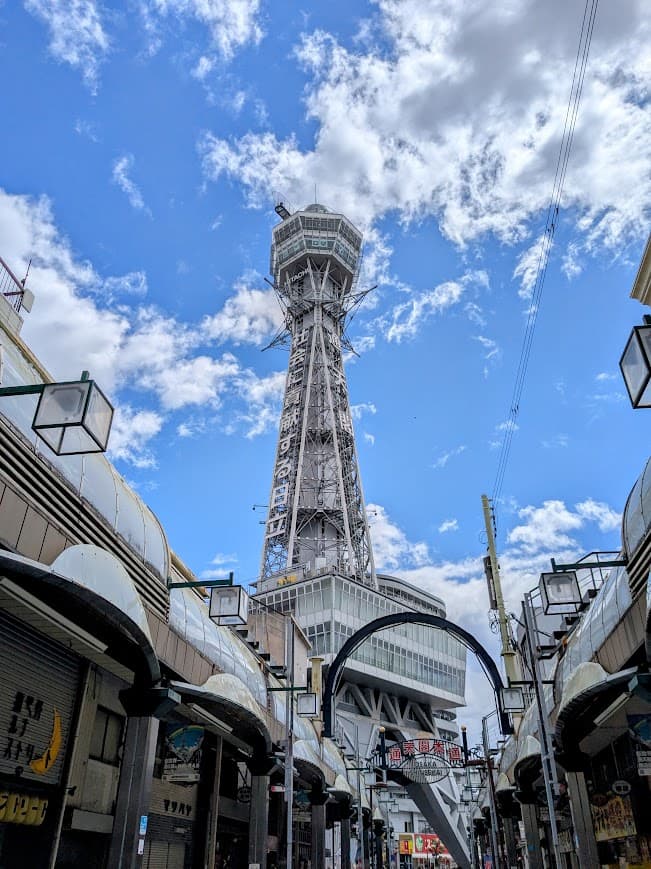
Explore the historic Tenshukaku Tower at Osaka Castle in Osaka, Japan. Discover its rich history, unique architecture, and panoramic city views from the top.
Overview
The Tenshukaku Tower, often referred to as the main keep, is the iconic centerpiece of Osaka Castle in Osaka, Japan. This magnificent structure, with its gleaming white walls, emerald green roofs, and golden embellishments, stands as a powerful symbol of the city's rich history and enduring spirit. Although its exterior evokes traditional Japanese architecture with five visible stories, the interior boasts eight floors, housing a modern museum. Standing approximately 55 to 58 meters tall, the Tenshukaku is recognized as a Registered Tangible Cultural Property.
History & Cultural Background
The story of the Tenshukaku Tower is one of ambition, destruction, and remarkable rebirth. The first Tenshukaku was constructed by the powerful warlord Toyotomi Hideyoshi starting in 1583, on the site of the former Ishiyama Hongan-ji temple. Hideyoshi envisioned a castle that would be the largest and most impressive in all of Japan, a clear symbol of his immense power and his role in unifying the nation during the Azuchi-Momoyama period. His original tower was grand, featuring five stories externally and eight internally, lavishly adorned with gold leaf.
However, this initial structure met its demise in 1615 during the dramatic Summer Siege of Osaka, leading to the downfall of the Toyotomi clan. The castle was subsequently rebuilt by the Tokugawa Shogunate, with a second Tenshukaku completed between 1626 and 1628. This Tokugawa-era tower, which was even taller and more austere, served to assert the new shogunate's dominance. Tragically, this second tower was destroyed by a lightning strike in 1665, leaving Osaka Castle without its central symbol for over two and a half centuries.
The current Tenshukaku, the third iteration, rose from the ashes in 1931. Its reconstruction was a testament to civic pride, largely funded by public donations gathered through an initiative by Osaka's mayor, Hajime Seki. Built using ferroconcrete, it was a thoroughly modern structure for its time, designed to withstand natural disasters, while its exterior faithfully reproduced the traditional grandeur inspired by Hideyoshi's original vision. Major renovations further enhanced the tower between 1995 and 1997.
What Makes It Special
The Tenshukaku Tower is a remarkable blend of historical homage and modern engineering. Its architecture uniquely combines design elements from its two predecessors: the lower four floors emulate the white plaster walls characteristic of the Tokugawa era, while the fifth and highest external floor harks back to Hideyoshi's flamboyant style, featuring black lacquered walls adorned with golden tigers and cranes. This distinctive fusion makes it a tangible narrative of Osaka Castle's complex past.
Beyond its architectural beauty, the tower is celebrated for its intricate golden ornamentation, including the mythical *shachihoko* (dolphin-like fish) gleaming on the roof, which symbolized protection and power. Its status as a Registered Tangible Cultural Property underscores its national significance. The sheer scale of the massive stone walls, constructed using the ancient *burdock piling* technique without mortar, showcasing incredible precision and defensive ingenuity, also contributes to the Tenshukaku's special aura.
Stories, Fun Facts & Local Details
The Tenshukaku holds many captivating stories. One popular nickname for Osaka Castle is the 'Golden Castle' or 'Kin-jo,' a direct nod to Toyotomi Hideyoshi's profound love for gold and his desire for the castle to exude opulence and power. His original tower was famously covered in gold leaf, aiming to impress and intimidate visitors.
The 1931 reconstruction was a monumental community effort, entirely financed by a public fundraising campaign that collected 1.5 million JPY—a significant sum for the time—demonstrating the deep affection citizens held for this historical landmark. In a nod to the future, a time capsule was buried in Osaka Castle Park in 1971, containing items representing contemporary life, with the intriguing plan to open it in the year 6970. These details add layers of human story and forward-looking spirit to the tower's long history.
Visitor Perspective
A visit to the Tenshukaku Tower offers an immersive journey through Japan's feudal past. Inside, the tower functions as a comprehensive museum, with exhibits spread across multiple floors. Visitors can explore a rich collection of historical artifacts, including authentic samurai armor, weaponry, and detailed models that vividly recreate the castle's layout and pivotal moments in its history.
For many, the highlight is ascending to the observation deck on the 8th floor. From this vantage point, you are treated to breathtaking 360-degree panoramic views of modern Osaka, contrasting the ancient castle grounds with the bustling cityscape and landmarks like the Umeda Sky Building. The tower is designed with accessibility in mind, featuring elevators that make it suitable for visitors with mobility needs.
The Tenshukaku is typically open daily from 9:00 AM to 5:00 PM, though hours may be extended during peak seasons like cherry blossom season, with last admission usually 30 minutes prior to closing. An admission fee applies for adults, but children of junior high school age and below often enjoy free entry. Outside the tower, the expansive Osaka Castle Park, renowned for its seasonal beauty and especially popular during the cherry blossom viewing season, invites further exploration.
Coordinates: 135.5222, 34.6857
View on Google Maps💬 How Travelers Describe This Place
Based on community votes
Photogenic
799Beautiful
639Unique
526Must See
366Interesting
181
Traveler Stories
Discover memorable experiences shared by travelers who have visited this place.
No traveler stories yet.
Be the first traveler to share what made this place memorable.

Tour
By
Spot
Discover amazing places around the world. Your journey starts here.
Explore
© 2026 TourBySpot. All rights reserved.