Tennoji Zoo
Osaka, Japan
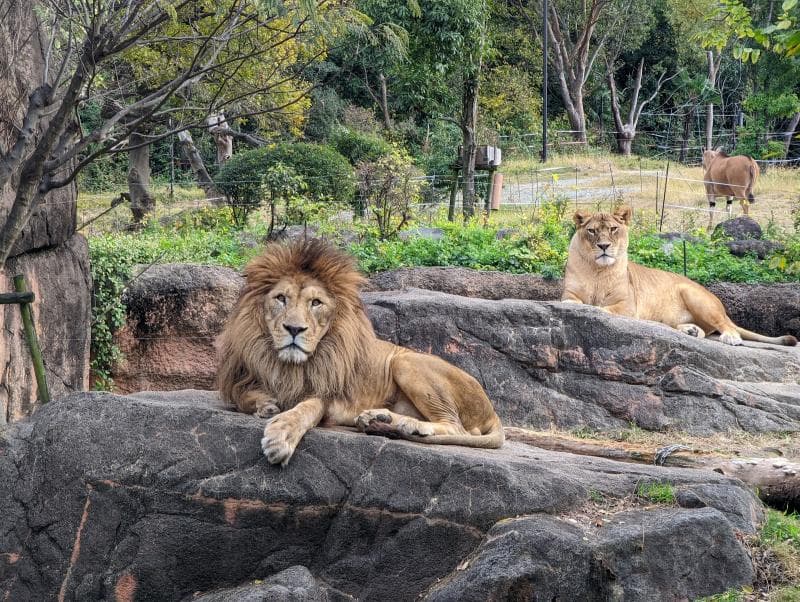
Explore Tennoji Zoo in Osaka, Japan's third-oldest zoo, featuring unique ecological exhibits, rare animals, and a rich history. Discover a city oasis.
Overview
Nestled in the bustling heart of Osaka, Japan, Tennoji Zoo offers a captivating escape into the animal kingdom within the expansive Tennoji Park area. As Japan's third-oldest zoo, it carries a rich legacy, having first opened its gates to the public on January 1, 1915. Spanning approximately 11 hectares, this urban oasis is home to a diverse collection of around 1,000 animals, representing about 170 to 200 species from across the globe. What truly sets Tennoji Zoo apart is its pioneering 'habitat environment exhibits' or 'ecological exhibits,' a philosophy centered on recreating animals' natural surroundings as closely as possible. This immersive approach allows visitors to observe animal behaviors in a setting that feels authentic, fostering a deeper connection with wildlife.
History & Cultural Background
The story of Tennoji Zoo is deeply intertwined with Osaka's historical and cultural fabric. Its inauguration on New Year's Day, 1915, marked a significant milestone, establishing it as only the third zoological garden in Japan. The zoo is strategically located southwest of the revered Shitennō-ji temple, which holds the distinction of being Japan's first Buddhist temple, adding a layer of historical reverence to its surroundings. Before becoming the celebrated institution it is today, the zoo's origins can be traced to the 'Osaka Prefectural Museum,' which initially housed some of the animals that would eventually move to the current site. During its early decades, particularly around its 20th anniversary, Tennoji Zoo garnered widespread acclaim, even being recognized as the finest zoo in the entire East. This long-standing commitment to animal welfare and public education was further solidified in the late 1990s with the launch of the 'ZOO21 Project,' an initiative focused on advancing wildlife preservation and environmental education efforts.
What Makes It Special
Tennoji Zoo's appeal lies in its innovative exhibition style and its unique collection of animal residents. The 'ecological exhibits' are undoubtedly a highlight, most famously exemplified by the African Savanna Zone. Here, predators like lions and hyenas are arranged to appear as if they share the same expansive space with their prey, such as giraffes, zebras, and rhinos, offering a compelling visual narrative of the wild. Another groundbreaking feature is Japan's first underwater viewing pool for hippopotamuses, providing a rare glimpse into the aquatic life of these magnificent creatures.
The zoo is also a sanctuary for several rare and distinctive animals. It holds the unique distinction of being the only zoo in Japan where visitors can encounter the elusive kiwi, New Zealand's national bird. Additionally, it is home to drills, a fascinating monkey species characterized by its striking jet-black face. Among the most popular residents are the polar bears, Gogo and Icchan, whose playful antics captivate audiences. Amur tigers and the resident pride of lions further add to the star attractions, drawing admiring crowds. The zoo continues to evolve, with its newly reopened Elephant Village, featuring Malaysian elephants introduced in April 2026, marking a significant addition to its diverse animal family. For a more interactive experience, the Friendship Garden allows visitors, especially younger ones, to engage directly with domestic animals like sheep and goats.
Stories, Fun Facts & Local Details
One of the most captivating aspects of Tennoji Zoo is its remarkable setting. As an urban oasis, it offers the intriguing spectacle of wild animals against a backdrop of soaring Osaka skyscrapers, a view that truly exemplifies its 'city zoo' character. This blend of nature and urbanity provides a unique photographic opportunity and a memorable visitor experience. The zoo is also known for its engaging events, such as 'Meal, Snack Time,' where guests can watch animals enthusiastically enjoy their meals. A particularly beloved seasonal event is the 'Night ZOO,' which offers a rare chance to observe the nocturnal behaviors of various species, revealing a different side of the animal world that is typically unseen during regular hours.
A charming local detail involves the zoo's popular polar bears, Gogo and Icchan. These beloved residents were originally born in Russian zoos and were generously donated to Tennoji Zoo by 551 Horai, a famous local company renowned for its meat buns, adding a unique touch of community spirit to their presence. For those keen on learning, the Tennoji Zoo Museum, which opened in 2021, provides educational insights into animal ecology, enhancing the overall visitor experience with scientific context.
Visitor Perspective
Visiting Tennoji Zoo is designed to be an accessible and enjoyable experience for all. Its affordability, with adult admission priced at approximately ¥500, makes it an attractive option for individuals and families alike. The zoo is conveniently located and easily reachable via Osaka's extensive public transportation network, with several subway and JR stations, including Dobutsuen-mae Station, Tennoji Station, and Ebisucho Station, just a short walk away.
To help visitors make the most of their trip, the zoo offers various guided routes, from concise one-hour tours to more comprehensive two-hour excursions, and special paths designed to highlight rare animals or those native to Japan. Being an integral part of the larger Tennoji Park area, the zoo provides an excellent starting point for exploring nearby attractions like the iconic Tsutenkaku Tower and the impressive Abeno Harukas skyscraper, making it easy to combine a zoo visit with other cultural and recreational activities in Osaka. While some areas feature older enclosures, the zoo is continually undergoing renovation through projects like the 'Zoo 101 Project' to enhance animal habitats and visitor facilities.
Coordinates: 135.508496, 34.652556
View on Google Maps💬 How Travelers Describe This Place
Based on community votes
Photogenic
989Must See
791Interesting
613Beautiful
514Unique
207
Traveler Stories
Discover memorable experiences shared by travelers who have visited this place.
No traveler stories yet.
Be the first traveler to share what made this place memorable.

Tour
By
Spot
Discover amazing places around the world. Your journey starts here.
Explore
© 2026 TourBySpot. All rights reserved.