Temporary Galleries
Chisinau, Moldova
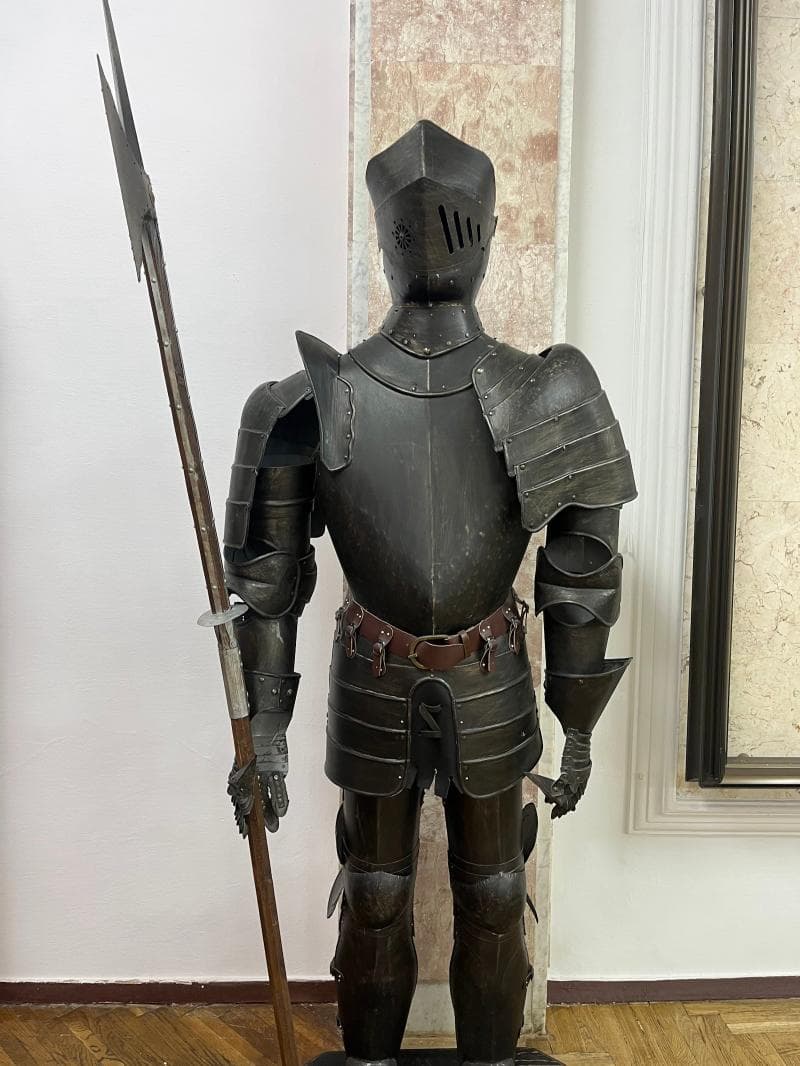
Discover the dynamic Temporary Galleries at the National Museum of History of Moldova in Chisinau, Moldova, offering evolving exhibitions on history and culture.
Overview
Stepping into the National Museum of History of Moldova in Chisinau is a journey through time, but it is within its Temporary Galleries that history truly comes alive in ever-evolving forms. These dynamic spaces serve as a vibrant heart for the museum, offering visitors continually refreshed perspectives on Moldova's rich past and present. Unlike the static displays of a permanent collection, the Temporary Galleries are dedicated to showcasing a diverse array of exhibitions, each meticulously curated to delve into specific historical periods, cultural phenomena, or artistic expressions. They complement the museum's extensive collection, providing deeper insights and engaging narratives that keep the cultural dialogue fresh and relevant.
These galleries are not just rooms for display; they are platforms for exploring new research, highlighting unique artifacts, and fostering cultural exchange. They ensure that every visit can offer a new discovery, whether it's an archaeological find, a spotlight on a historical event, or an artistic interpretation of Moldovan identity. The museum, a significant institution in the Republic of Moldova, leverages these spaces to continually enrich the visitor experience with compelling and often thought-provoking content.
History & Cultural Background
The National Museum of History of Moldova, established on December 21, 1983, has long been a custodian of the nation's heritage. It occupies the historic building of the former Chisinau Boys' Gymnasia, a structure that itself holds layers of history. From its inception, the museum's mission has been to collect, preserve, research, and promote the cultural-historical heritage of Moldova. Over the decades, its collections have expanded significantly, partly through the integration of artifacts from other cultural institutions.
The role of temporary exhibitions has been integral to this mission, allowing the museum to broaden its thematic scope beyond the confines of its permanent 'History and Civilization' display. These galleries enable a flexible and responsive approach to historical interpretation, showcasing narratives that might require a more focused or timely presentation. Since its founding, the museum has organized hundreds of temporary exhibitions, both within its walls and internationally, often collaborating with other cultural and research institutions to bring diverse stories to light. This ongoing activity underscores the museum's commitment to both scholarly research and public education, making it a vital center for museology and museography in Moldova.
What Makes It Special
What truly sets the Temporary Galleries apart is their inherent dynamism and versatility. They are a canvas upon which the many facets of Moldovan history and culture are painted anew with each exhibition. This constant rotation ensures that the museum remains a living, breathing entity, continually engaging with contemporary issues while reflecting on the past. The themes explored are remarkably diverse, ranging from archaeological revelations, such as 'The Smell of Warm Bread. Bread in the Iron Age,' which delves into the daily life of ancient communities, to exhibitions addressing significant social and political narratives, like 'Soviet Moldova: Between Myths and the Gulag' or 'Sybir – Prison of Nations.'
Moreover, these galleries frequently go beyond mere display, often integrating original artifacts from the museum's vast reserves or partnering with external institutions to bring unique collections to Chisinau. This collaborative spirit enriches the content and offers fresh perspectives, transforming historical research into accessible and captivating experiences. The flexibility of these spaces allows for the celebration of national milestones, such as the 'Moldova in Colors. #35Emotions' exhibition commemorating Moldova's independence, which also championed art, education, and inclusion.
Stories, Fun Facts & Local Details
The Temporary Galleries are fertile ground for stories that resonate deeply with the Moldovan spirit. Consider the exhibition 'Queen Marie and Chisinau,' which offered an artistic journey back to early 20th-century Chisinau, reconstructing through art the cityscape and the significant visit of Queen Marie of Romania. This exhibit not only recalled a pivotal historical moment but also highlighted how much of the city's historical architecture has been lost, encouraging reflection on preservation. Another fascinating display, 'Historical Monuments in Pictures,' used vintage postcards to transport visitors through time, showcasing the historical monuments of Bessarabia and Chisinau from the late 19th century onwards. It served as a poignant reminder of the vulnerability of heritage and the collective effort needed for its protection.
These exhibitions often weave together historical facts with compelling human narratives. They might explore the role of everyday objects, like bread, in ancient societies, or delve into the profound impact of political repressions on individual lives. The 'Urban Archaeology and the Hidden Memory of Chișinău' exhibition, for example, promises to unearth the untold stories beneath the city's modern facade, revealing hidden aspects of its past. Such thematic focus allows for a deeper, more emotional connection with the material, turning historical data into memorable cultural experiences and fostering a greater appreciation for Moldova's multifaceted identity.
Visitor Perspective
For any curious traveler planning a visit to the National Museum of History of Moldova, the Temporary Galleries are an absolute highlight not to be overlooked. They offer a refreshing counterpoint to the permanent collection, providing an opportunity to engage with current research, contemporary art, and focused historical narratives. It is highly recommended to check the museum's official programme page before your visit, as the exhibitions change frequently, ensuring that there's always something new to discover.
The museum itself is conveniently located in the center of Chisinau, making it easily accessible on foot or by public transport. Admission fees are quite affordable, often with separate, modest charges for access to certain temporary exhibitions, providing excellent value for a cultural deep dive. Engaging with these temporary showcases provides an immersive journey into specific themes, enriching your understanding of Moldova far beyond what a general overview might offer. It's an opportunity to see how history is continually interpreted, debated, and celebrated, leaving you with a dynamic and insightful appreciation of this fascinating country.
Coordinates: 28.828067125159734, 47.022553566344016
View on Google Maps💬 How Travelers Describe This Place
Based on community votes
Interesting
926Unique
646Photogenic
482Beautiful
380Must See
291
Traveler Stories
Discover memorable experiences shared by travelers who have visited this place.
No traveler stories yet.
Be the first traveler to share what made this place memorable.

Tour
By
Spot
Discover amazing places around the world. Your journey starts here.
Explore
© 2026 TourBySpot. All rights reserved.