Temple Grounds
Chiang Mai, Thailand
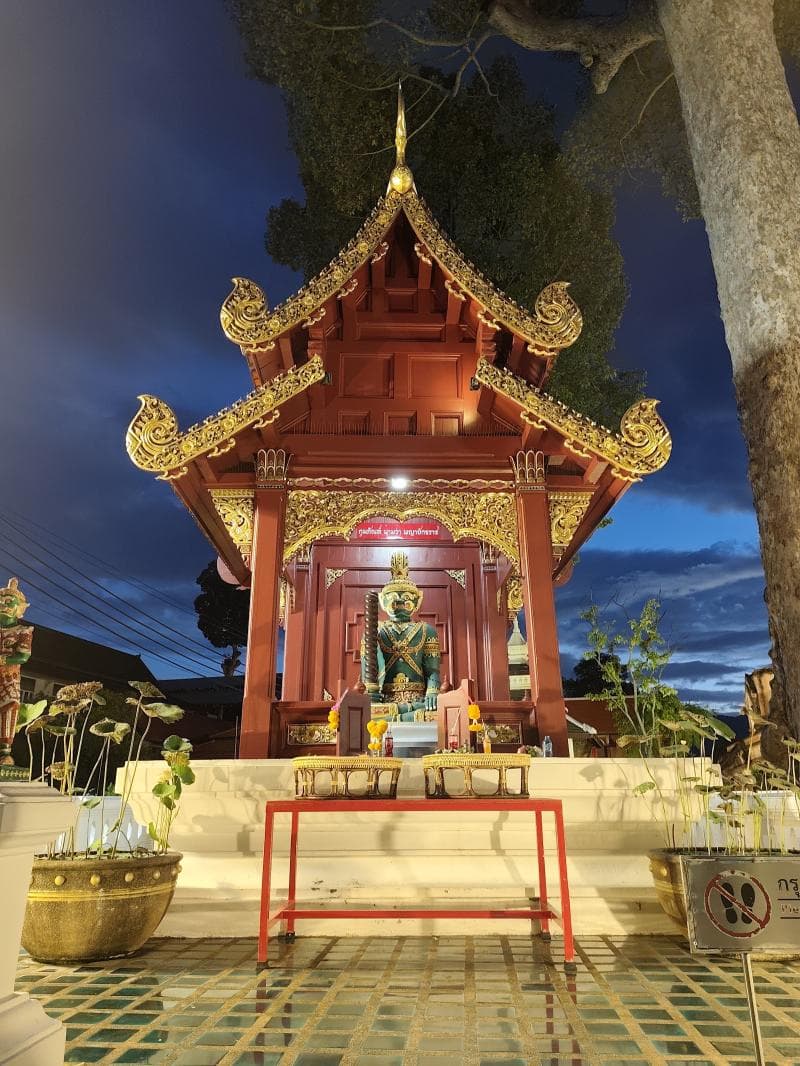
Explore the ancient Temple Grounds of Wat Chedi Luang in Chiang Mai, Thailand. Discover its rich history, colossal chedi, Emerald Buddha replica, and City Pillar.
Overview
Stepping into the Temple Grounds of Wat Chedi Luang in Chiang Mai, Thailand, is like walking through centuries of history. This revered Buddhist temple, whose name translates to 'Temple of the Great Stupa', is a profound symbol of the ancient Lanna Kingdom's spiritual and architectural prowess. At its heart lies a colossal, partially ruined chedi that once dominated the city's skyline. The entire complex is not merely a single temple but a historical amalgamation of three original temples: Wat Chedi Luang, Wat Ho Tham, and Wat Sukmin, creating a vast and serene spiritual center in the bustling heart of Chiang Mai's Old City.
History & Cultural Background
The story of Wat Chedi Luang begins in the late 14th century. Construction of the immense chedi was initiated in 1391 by King Saen Muang Ma, who sought to enshrine the ashes of his revered father, King Ku Na. Building such a monumental structure was an undertaking of epic proportions, and it was not fully completed until approximately 1475, during the reign of King Tilokarat. Upon its completion, the chedi stood an impressive 80 to 85 meters tall and measured about 60 meters across its square base, making it the tallest and largest edifice in the Lanna Kingdom at the time.
A significant chapter in its history unfolded in 1468 when Wat Chedi Luang became the temporary home for Thailand's most sacred object, the Emerald Buddha. This revered image resided here for nearly a century, elevating the temple's status to national importance and drawing pilgrims from far and wide. However, fate intervened in 1545 when a powerful earthquake severely damaged the chedi, causing its upper 30 to 60 meters to collapse. Following this catastrophic event, the Emerald Buddha was moved in 1551, first to Luang Prabang and eventually to its current home at Wat Phra Kaew in Bangkok. In the 1990s, with support from UNESCO and the Japanese government, restoration efforts stabilized the chedi, though it was intentionally left partially ruined to honor its dramatic past.
What Makes It Special
Beyond its sheer scale, the Temple Grounds of Wat Chedi Luang possess an undeniable magnetism. The most striking feature remains the colossal chedi itself, even in its truncated state, with its weathered brickwork telling tales of bygone eras. Visitors can admire the intricate Lanna-style architecture, featuring grand staircases on all four sides, guarded by mythical Naga serpent creatures and adorned with elephant sculptures emerging from the base. A replica of the revered Emerald Buddha now occupies a niche on the eastern side of the chedi, serving as a poignant reminder of its illustrious past.
Within the grounds, other significant structures await discovery. The main assembly hall, or Viharn Luang, houses the magnificent Phra Chao Attarot, a large standing Buddha image dating back to the late 14th century. Of particular cultural importance is the City Pillar, or Sao Inthakin, housed in its own pavilion. This sacred relic is believed to protect Chiang Mai and grant fertility to its people. The complex also features the Buddhist Manuscript Library and Museum, offering deeper insights into Theravada Buddhism.
Stories, Fun Facts & Local Details
The collapse of the chedi in 1545 is often attributed to the powerful earthquake, though some theories also suggest Burmese conflict as a contributing factor. Adjacent to the City Pillar is an ancient Dipterocarp tree, traditionally believed to safeguard the city, its roots deeply intertwined with the spiritual well-being of Chiang Mai. Local tradition dictates that women are not permitted to enter the City Pillar shrine, a detail that highlights specific cultural customs. Every May, the temple comes alive with a vibrant festival honoring the City Pillar, a cherished tradition for locals seeking blessings and prosperity.
For curious travelers seeking a deeper connection, Wat Chedi Luang offers a unique 'Monk Chat' program. This informal initiative allows visitors to engage in conversations with resident monks and novices, providing an invaluable opportunity to learn about Buddhist philosophy, Thai culture, and daily monastic life in a relaxed and respectful setting.
Visitor Perspective
Wat Chedi Luang is conveniently located in the historical heart of Chiang Mai's Old City, making it easily accessible for exploration on foot, by tuk-tuk, or via local songthaews. The temple grounds are open daily, typically from 6 AM to 6 PM, inviting visitors to experience its tranquil ambiance. When visiting, it is important to observe the respectful dress code, ensuring shoulders and knees are covered, in deference to the sacred nature of the site.
As you wander through the expansive grounds, you'll encounter not only the towering chedi but also beautifully maintained gardens, intricate sculptures, and various smaller shrines. The serene atmosphere invites quiet contemplation and offers a peaceful respite from the city's energy. Witnessing monks performing their daily rituals adds to the authentic spiritual experience, allowing visitors to glimpse the living traditions of Thai Buddhism. The blend of historical grandeur, cultural richness, and spiritual tranquility makes Wat Chedi Luang an unforgettable stop on any journey through Northern Thailand.
Coordinates: 98.98651602444616, 18.78692357971049
View on Google Maps💬 How Travelers Describe This Place
Based on community votes
Beautiful
896Interesting
550Must See
95Photogenic
56Unique
28
Traveler Stories
Discover memorable experiences shared by travelers who have visited this place.
No traveler stories yet.
Be the first traveler to share what made this place memorable.

Tour
By
Spot
Discover amazing places around the world. Your journey starts here.
Explore
© 2026 TourBySpot. All rights reserved.