Tea Vendors
Bishkek, Kyrgyzstan
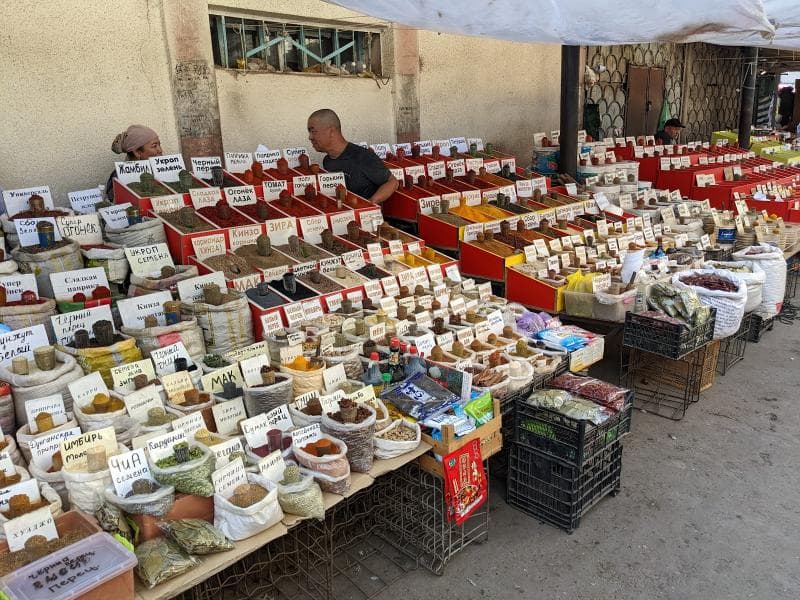
Discover the authentic tea vendors and traditional teahouses within Osh Bazaar, Bishkek, Kyrgyzstan – a true taste of local culture.
Overview
Nestled within the vibrant expanse of Osh Bazaar in Bishkek, Kyrgyzstan, the area dedicated to tea vendors and teahouses offers a sensory journey into the heart of Central Asian culture. While not a distinct, named sub-section on its own, tea's presence is interwoven throughout the bazaar's food stalls and adjacent communal spaces, serving as a vital thread in the daily life of locals. Osh Bazaar itself is one of Bishkek's largest and most authentic markets, a bustling labyrinth where traditions thrive and commerce pulses with ancient energy. It's a place where you can find everything from fresh produce and aromatic spices to handcrafted goods and traditional garments, and central to this experience is the ritual of tea.
Visitors to Osh Bazaar will discover small food vendors and teahouses where traditional Kyrgyz tea is readily available, offering a moment of warmth and hospitality amidst the market's energetic atmosphere. This 'sub-spot' is less about a fixed location and more about the pervasive cultural practice of tea drinking, making it an integral, yet fluid, part of the overall bazaar experience.
History & Cultural Background
Osh Bazaar in Bishkek, established in 1983, carries forward the legacy of ancient Central Asian marketplaces that have been vibrant hubs for trade and social interaction for centuries. The tradition of tea in this region is deeply rooted, stemming from its pivotal position along the historic Silk Road. For generations, tea has been more than just a beverage; it's a symbol of hospitality, a catalyst for conversation, and a cornerstone of social gatherings.
Within the broader Central Asian context, the bazaar's teahouses, or 'chaikhanas', have historically served as crucial meeting points, not unlike ancient caravanserais. Here, traders would rest, exchange news, and forge deals over endless cups of tea. While the modern Osh Bazaar primarily caters to daily needs, this spirit of communal gathering around tea persists. Locals often begin their market visits with a stop at a teahouse, sipping green tea from a 'piala' (traditional teacup), often accompanied by sweets, and engaging in leisurely conversations before diving into their shopping. This practice highlights tea's enduring role in fostering community and sharing information.
What Makes It Special
What makes the tea vendors and teahouses of Osh Bazaar truly special is their authenticity and their embeddedness in the local way of life. Unlike curated tourist attractions, these spots offer an unvarnished glimpse into the everyday routines of Bishkek residents. The tea here is often simple yet profoundly satisfying, typically green tea, served hot and fresh. It's a chance to step away from the bustling aisles and observe the rhythms of local life.
The experience is enhanced by the aromas wafting from nearby food stalls—freshly baked 'lepyoshka' (flatbread), sizzling 'samsa' (meat-filled pastries), and an array of spices. Many vendors, particularly in the food sections, will offer tea alongside their goods, making it an informal yet essential part of transactions and hospitality. It's a testament to the fact that in Kyrgyzstan, tea is not merely consumed; it's an experience to be savored and shared, connecting people across generations and cultures.
Stories, Fun Facts & Local Details
A fun fact about Kyrgyz tea culture is its emphasis on hospitality. It's common for guests to be offered tea immediately upon entering a home or even a shop. The pouring of tea itself is an art; hosts often pour only a small amount into the 'piala' to ensure it stays warm, requiring frequent refills, which serves as a subtle way to encourage conversation and prolong the visit. This tradition extends to the bazaar, where a vendor might offer you a cup as you browse their wares, creating a warm, personal connection.
Another interesting detail is the variety of tea accompaniments. Alongside your tea, you might find local delicacies such as 'navat' (rock candy), dried fruits, or nuts, which are abundant within the bazaar. The teahouses, even if transformed into more modern cafes, often still feature traditional 'samovars', large ornate metal urns used for heating water, symbolizing the continuity of ancient traditions in a contemporary setting. Sitting on low benches and observing the daily theatre of the market unfold around you while sipping tea is a truly immersive local experience.
Visitor Perspective
For the curious traveler, visiting the tea vendors and teahouses within Osh Bazaar is a must-do. It offers more than just a drink; it's an authentic cultural interaction. Don't expect a designated, quiet tea garden; rather, embrace the dynamic environment. You'll find tea being sold from small stalls, often alongside pastries or other quick bites, and in more established, albeit simple, eateries scattered throughout the market's food sections.
The best way to experience it is to wander through the bustling aisles, allow yourself to be guided by the aromas, and simply stop where locals are gathered. Engage with the vendors—even a simple 'rahmat' (thank you) can go a long way. This informal approach allows for genuine moments of connection, offering a direct insight into the warmth and welcoming spirit of the Kyrgyz people. It's an opportunity to pause, refresh, and soak in the vibrant atmosphere that makes Osh Bazaar a truly unforgettable destination.
Coordinates: 74.5697, 42.8747
View on Google Maps💬 How Travelers Describe This Place
Based on community votes
Must See
950Beautiful
287Photogenic
255Unique
231Interesting
86
Traveler Stories
Discover memorable experiences shared by travelers who have visited this place.
No traveler stories yet.
Be the first traveler to share what made this place memorable.

Tour
By
Spot
Discover amazing places around the world. Your journey starts here.
Explore
© 2026 TourBySpot. All rights reserved.