Tea Houses
Seoul, South Korea
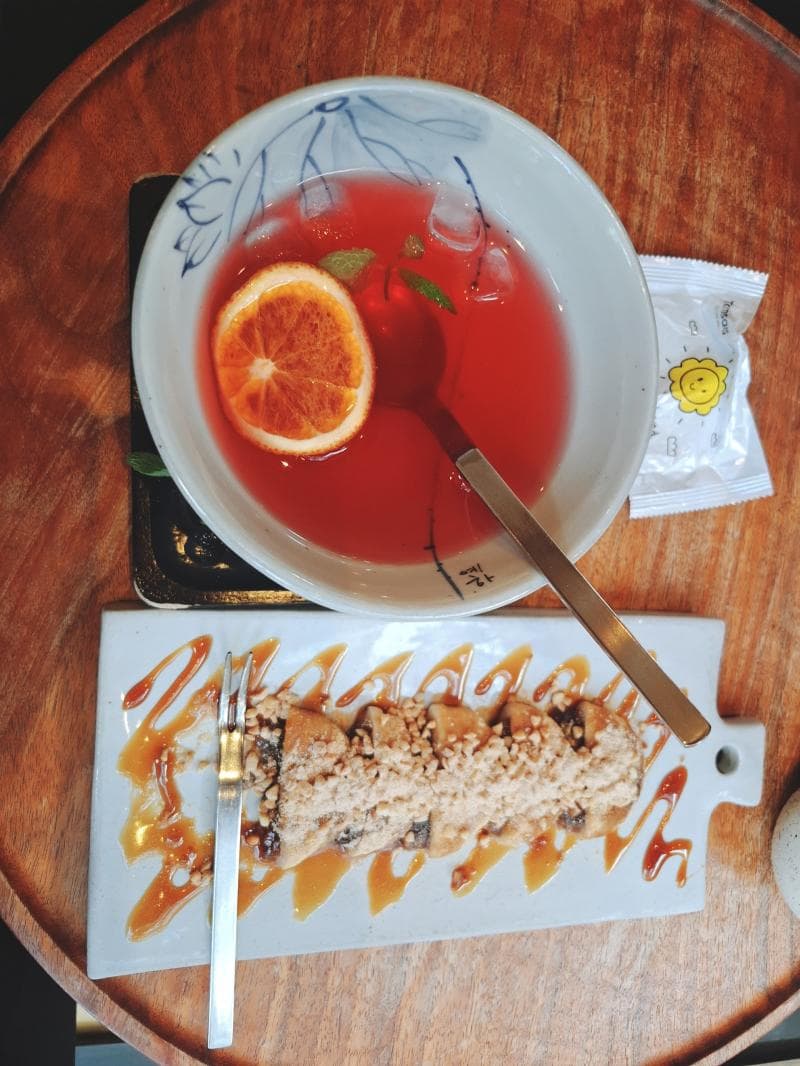
Discover Insadong's traditional tea houses in Seoul, South Korea. Immerse yourself in Korean tea culture, history, and serene hanok settings.
Overview
Stepping into the 'Tea Houses' of Insadong, Seoul, is akin to entering a tranquil oasis, a stark contrast to the city's vibrant pace. These traditional establishments, often nestled within beautifully preserved hanok (traditional Korean houses), offer more than just a beverage; they provide a profound cultural experience. Insadong itself is a district dedicated to upholding Korean heritage, making it the quintessential location to immerse oneself in the art of traditional tea. Here, visitors can find respite, savor unique Korean teas, and appreciate the meticulous customs surrounding their preparation and enjoyment.
These tea houses are not merely cafes but cultural hubs where the ancient practice of tea drinking, known as Dado (다도) or Darye (차례), is meticulously maintained. The atmosphere is typically serene, encouraging mindfulness and reflection, making it an essential stop for any curious traveler seeking an authentic glimpse into Korea's soul.
History & Cultural Background
The history of tea in Korea is rich and complex, tracing its origins back to the Three Kingdoms period (57 BC – AD 668) with initial exchanges from China. Early tea consumption was deeply intertwined with Buddhist rituals, aiding monks in meditation and fostering mindfulness. The Goryeo Dynasty (918-1392) marked a golden age for Korean tea culture, where it flourished among royalty, aristocrats, and Buddhist monasteries. During this era, elaborate tea ceremonies were held, and tea became a subject of poetry and a symbol of intellectual discourse.
However, the subsequent Joseon Dynasty (1392-1897), with its emphasis on Confucianism, saw a decline in tea's prominence as it became less central to daily life and more confined to ceremonial and spiritual contexts. The Japanese occupation further impacted tea cultivation and traditions, leading to a period of struggle. Despite these challenges, tea traditions endured, particularly in temples and private households. Today, there's a renewed appreciation for Korea's tea heritage, driven by a global interest in wellness and cultural preservation, bringing the tea houses of Insadong back into the spotlight.
What Makes It Special
Insadong's tea houses are distinguished by their commitment to tradition and authenticity. Many are housed in hanoks, featuring elegant wooden architecture and tiled roofs, providing an immersive environment that enhances the tea-drinking experience. The focus is on traditional Korean teas, which often differ from typical green teas found elsewhere. Popular choices include Omija-cha (five-flavor berry tea), known for its complex sweet, sour, salty, bitter, and pungent notes; Jujube tea (made from red dates), a thick and naturally sweet option; and Ssanghwa-cha, a dark herbal tea often enjoyed for its purported health benefits.
Teas are typically served with traditional Korean sweets like tteok (rice cakes) or yakgwa (honey cookies), providing a delightful balance to the tea's flavors. The experience extends beyond taste, encompassing the aesthetics of the teaware and the peaceful ambiance, which collectively contribute to a holistic and meditative practice.
Stories, Fun Facts & Local Details
The tea houses in Insadong often have unique stories and charm. For instance, 'Shin Old Tea House' (신옛찻집) carries a paradoxical name, translating to 'New-Old Tea House,' which beautifully encapsulates its role in preserving tradition while remaining a vibrant, living space. Another well-known spot, 'Moon Bird Only Thinks of the Moon', is famed for its artistic vibe and homemade rice cakes. Dawon Traditional Tea House, nestled within the Kyung-In Museum of Fine Art, offers a serene garden setting, making it a perfect blend of art and tranquility.
Visitors might find these hidden gems down narrow alleys, often identifiable by subtle wooden signs rather than flashy storefronts. The ritual of drinking tea in Korea also involves specific etiquette; for example, it is considered polite to receive a bowl of tea with both hands as a sign of respect. The choice of tea can also be seasonal, with some houses offering specific teas or experiences tailored to spring blossoms or warm ondol (heated floors) in winter.
Visitor Perspective
For a traveler, visiting an Insadong tea house is an opportunity to truly slow down and connect with Korean culture on a deeper level. It's a chance to escape the urban hustle and bustle, finding peace in a thoughtfully designed space that values harmony and contemplation. The experience is about savoring the moment, appreciating the delicate flavors of tea and accompanying sweets, and observing the traditional aesthetics. It's an affordable yet profoundly enriching cultural activity, offering a quiet retreat that can last for an hour or more, making it a valuable investment in one's travel experience. Whether you are a tea enthusiast or simply a curious soul, the tea houses of Insadong offer a unique and memorable journey into the heart of Korean tradition.
Coordinates: 126.987, 37.5725
View on Google Maps💬 How Travelers Describe This Place
Based on community votes
Unique
972Interesting
787Must See
726Beautiful
720Photogenic
85
Traveler Stories
Discover memorable experiences shared by travelers who have visited this place.
No traveler stories yet.
Be the first traveler to share what made this place memorable.

Tour
By
Spot
Discover amazing places around the world. Your journey starts here.
Explore
© 2026 TourBySpot. All rights reserved.