Tea House Area
Dushanbe, Tajikistan
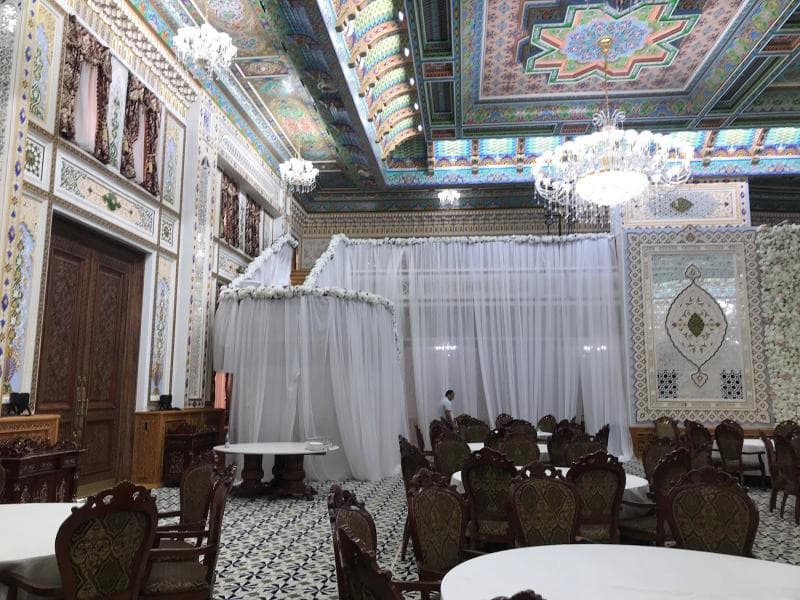
Discover the 'Tea House Area' within Kokhi Navruz in Dushanbe, Tajikistan, celebrating the nation's rich tea culture and artisan traditions.
Overview
Deep within the grandeur of Kokhi Navruz in Dushanbe, Tajikistan, lies an aspect of the complex that pays homage to one of Central Asia's most cherished traditions: the tea house. Though Kokhi Navruz ultimately transformed into a magnificent cultural and entertainment palace, its foundational concept was that of the world's largest teahouse, or ‘choykhona.’ This vision ensures that the spirit of Tajik tea culture permeates the complex, offering visitors a glimpse into a vital part of local life. The 'Tea House Area,' while not a single isolated zone, refers to the beautifully adorned spaces within Kokhi Navruz where the ritual of tea drinking and traditional Tajik hospitality are celebrated.
These designated areas, including various restaurants and smaller teahouses, provide an immersive experience reflecting the original aspirations for this architectural marvel. It is a place where one can pause, appreciate the intricate craftsmanship, and partake in the timeless custom of sharing tea, all within a setting of breathtaking beauty that blends age-old traditions with modern scale.
History & Cultural Background
The story of Kokhi Navruz, built between 2009 and 2014, is one of ambition and cultural pride. Initially, the project was envisioned as the world's largest teahouse, a grand statement reflecting Tajikistan's deep connection to tea. However, during its construction, the scope expanded, and it evolved into a multi-functional palace. Despite this transformation, the essence of the teahouse remained integral to its design and purpose. Thousands of Tajik artisans from across the country contributed their skills, meticulously decorating the complex with traditional Eastern motifs and using natural materials like stone and wood.
Historically, teahouses, or ‘choykhonas,’ have been the social arteries of Central Asian communities. They are more than just places to drink tea; they are centers for community gathering, discussion, and storytelling. This cultural significance underpinned the initial concept for Kokhi Navruz, and it continues to be honored in the palace's tea-serving spaces, which are adorned with elaborate wood carvings, mosaics, and painted ceilings—each detail a testament to Tajikistan's rich artistic heritage.
What Makes It Special
The 'Tea House Area' within Kokhi Navruz is special for its unique blend of traditional Tajik artistry and the ambitious scale of its setting. The entire complex, originally conceived as a massive choykhona, was decorated by approximately 4,000 craftsmen, making it a living museum of national Tajik artisanry. Within the areas dedicated to tea service and traditional dining, visitors will encounter stunning examples of plasterwork, mirror mosaics, vibrant painted ceilings, and exquisite wood carving.
These elements are not merely decorative; they embody centuries of cultural expression, often featuring patterns and motifs passed down through generations of artisans. The use of semi-precious Pamir stones in Florentine mosaics further highlights the dedication to local materials and craftsmanship. The ambiance created in these spaces is designed to transport visitors, offering an authentic taste of Tajik aesthetic and hospitality that goes far beyond a simple cup of tea.
Stories, Fun Facts & Local Details
One of the most fascinating aspects of the 'Tea House Area' at Kokhi Navruz is its origin story: a structure initially planned to be the largest teahouse on Earth, evolving into a palatial cultural center. This transition reflects a blend of preserving tradition while also showcasing national grandeur. It is said that President Emomali Rahmon himself oversaw the construction, providing recommendations to ensure the building would serve as a treasure of Tajik culture and art for centuries.
Tea, particularly green tea (zeliony choy), is the national beverage of Tajikistan and holds immense cultural importance, accompanying every meal and social interaction. Traditional choykhonas were historically places for men to discuss important issues, though women later also began frequenting them. The tea facilities within Kokhi Navruz continue this tradition, serving as modern gathering spots where locals and visitors alike can experience this quintessential aspect of Tajik daily life. You might even find some smaller teahouses located near the entrance or within the complex's beautiful gardens, offering a tranquil escape.
Visitor Perspective
For a curious traveler, experiencing the 'Tea House Area' at Kokhi Navruz is an essential part of understanding Tajik culture. While you might not find a single, overtly labeled 'Tea House Area,' the various restaurants and dedicated spaces within the palace serve this purpose beautifully. Visitors can expect to be surrounded by the same breathtaking artisanry that defines the entire complex—from intricately carved wooden columns to vibrant, hand-painted ceilings.
These areas offer a serene environment for enjoying traditional Tajik cuisine alongside endless cups of green tea, often served with local sweets or dried fruits. It's a chance to witness the local customs of hospitality firsthand and perhaps even observe families or friends engaging in lively conversations over their pialas (tea bowls). Whether you're seeking a quiet moment of reflection or a deeper cultural immersion, the tea-centric offerings at Kokhi Navruz provide a memorable and authentic experience of Dushanbe's rich heritage.
Coordinates: 68.7733, 38.5756
View on Google Maps💬 How Travelers Describe This Place
Based on community votes
Beautiful
623Interesting
545Unique
343Must See
302Photogenic
20
Traveler Stories
Discover memorable experiences shared by travelers who have visited this place.
No traveler stories yet.
Be the first traveler to share what made this place memorable.

Tour
By
Spot
Discover amazing places around the world. Your journey starts here.
Explore
© 2026 TourBySpot. All rights reserved.