Tactile Dome
San Francisco, United States
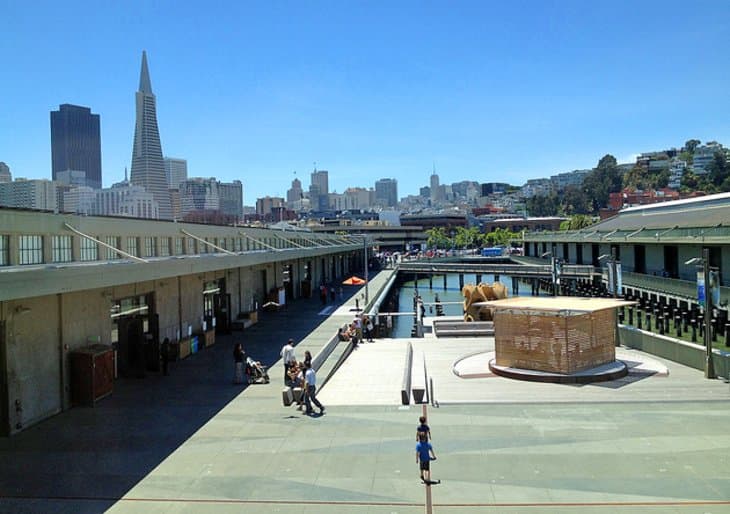
Explore the Tactile Dome at the Exploratorium in San Francisco, United States. Navigate a pitch-black labyrinth using only touch.
Overview
Deep within the innovative Exploratorium in San Francisco, United States, lies a truly unique experience: the Tactile Dome. This immersive exhibit invites visitors to navigate a sprawling, pitch-black labyrinth using only their sense of touch. It's a journey that challenges your perception, heightens your haptic senses, and offers a profound exploration of non-visual pathways to understanding the world around you. Prepare to walk, crawl, climb, and slide through a fascinating array of textures and shapes, transforming a simple museum visit into an unforgettable adventure.
History & Cultural Background
The Tactile Dome is not just an exhibit; it's a piece of art and a philosophical statement, conceived in 1971 by Dr. August F. Coppola and co-developer Carl Day. Dr. Coppola, known also as the father of actor Nicolas Cage and brother of filmmaker Francis Ford Coppola, was a pivotal figure in the Participatory Art movement. His vision was to create an environment where people became active participants in art, challenging the conventional museum notion of 'don't touch'. The Exploratorium itself, founded in 1969 by physicist Frank Oppenheimer, has always championed hands-on, interactive learning, making it the perfect home for such an avant-garde concept. Originally housed at the Palace of Fine Arts, the Exploratorium, along with the Tactile Dome, relocated to its current waterfront location at Pier 15 in 2013.
What Makes It Special
What truly sets the Tactile Dome apart is its radical commitment to sensory immersion. By eliminating sight entirely, the exhibit forces a profound reliance on your other senses, primarily touch. It's a carefully designed sequence of varying temperatures, textures, and forms that compel visitors to engage their cutaneous, internal body, and muscle awareness. Dr. Coppola's initial intent was to make people aware of how complex, sensitive, and often underutilized our sense of touch is, believing that enhancing haptic abilities could even improve visual skills. Many describe the experience as 'transcendent', a truly disorienting yet ultimately enlightening journey that redefines how you perceive your surroundings. It is so fundamental to the Exploratorium's identity that it is literally built into the foundation of Pier 15.
Stories, Fun Facts & Local Details
The Tactile Dome has garnered numerous anecdotes over the decades. Early visitors, disoriented yet exhilarated by the experience, famously compared it to feelings like 'being born again', 'turning yourself inside out head first', 'being swallowed by a whale', or even 'being enfolded in a giant womb'. For a period in the 1990s, an area within the Dome famously included rubber rats, an addition that reportedly delighted some children while startling others, showcasing the exhibit's playful yet challenging nature. To ensure a comfortable and safe journey, visitors are encouraged to wear socks and store personal belongings like jewelry, phones, and shoes in the waiting area before entering. It's also important to note that children must be at least seven years old to participate in the full experience.
Visitor Perspective
Stepping into the Tactile Dome is an act of trust and an invitation to adventure. It demands that you let go of your most dominant sense and embrace the unknown, guiding yourself through a maze where every surface tells a story. The experience can be both challenging and incredibly rewarding, as you discover the astonishing capabilities of your hands and body in the absence of light. An attendant is always on hand to provide guidance or assistance if needed, ensuring a safe exploration. Many consider a trip through the Tactile Dome a highlight of their Exploratorium visit, an essential San Francisco experience that offers a profound new perspective on human perception. Due to its popularity and limited capacity, making advance reservations is strongly recommended to secure your spot in this extraordinary tactile wonderland.
Coordinates: -122.3976, 37.8014
View on Google Maps💬 How Travelers Describe This Place
Based on community votes
Must See
996Unique
673Photogenic
186Beautiful
143Interesting
80
Traveler Stories
Discover memorable experiences shared by travelers who have visited this place.
No traveler stories yet.
Be the first traveler to share what made this place memorable.

Tour
By
Spot
Discover amazing places around the world. Your journey starts here.
Explore
© 2026 TourBySpot. All rights reserved.