Symphony of Lights Viewing Area
Hong Kong, China
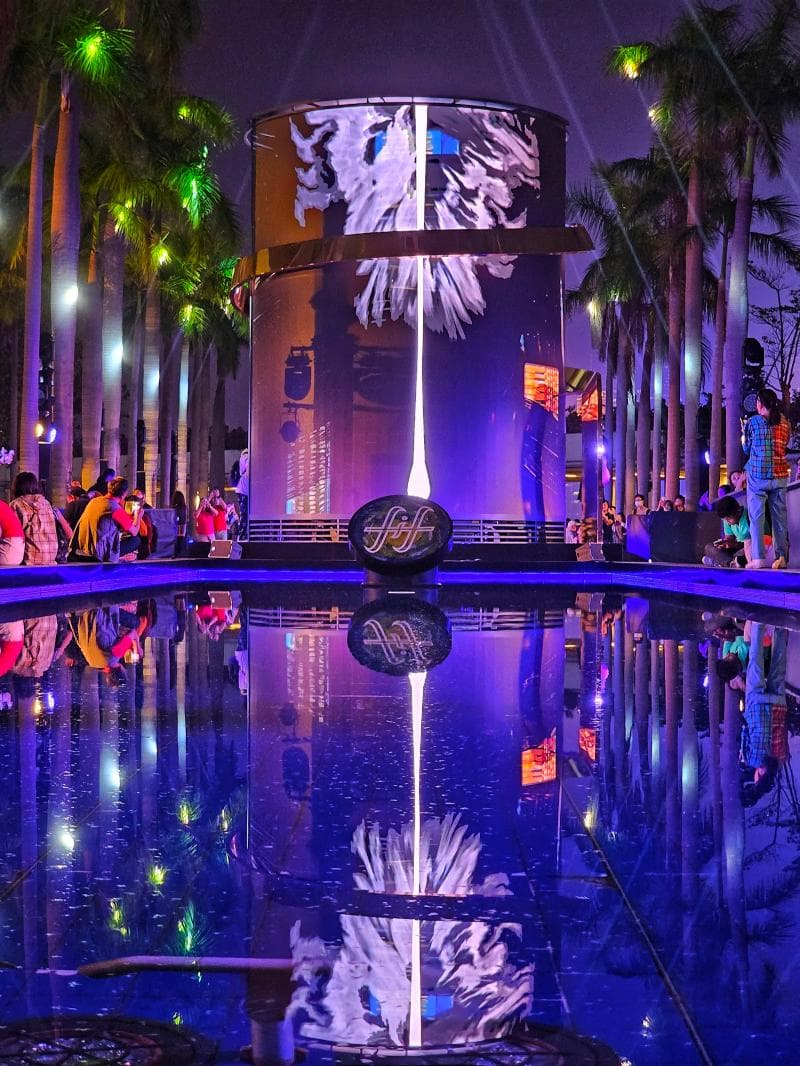
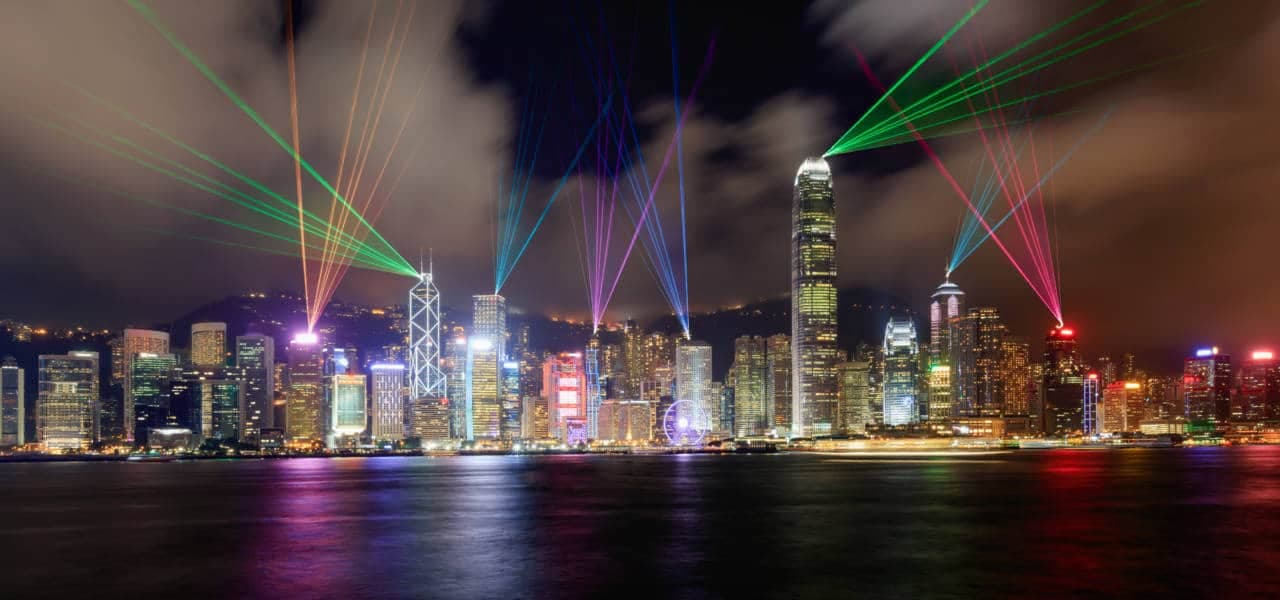
Discover the Symphony of Lights Viewing Area on Tsim Sha Tsui Promenade, Hong Kong. Learn about its history, unique features, and visitor tips.
Overview
The Symphony of Lights Viewing Area on the Tsim Sha Tsui Promenade in Hong Kong, China, has long been revered as a prime location to witness one of the world's most spectacular urban light shows. While the iconic nightly 'A Symphony of Lights' is transitioning from its regular format, evolving into seasonal light festivals, this waterfront stretch continues to be a vibrant hub for appreciating Victoria Harbour's breathtaking skyline and future illuminations.
Stretching along the southern tip of Kowloon Peninsula, the Tsim Sha Tsui Promenade offers unobstructed panoramic views of Hong Kong Island's dazzling array of skyscrapers. From the historic Clock Tower near the Star Ferry Pier, past the Hong Kong Cultural Centre, and extending to the Avenue of Stars, this promenade serves as a grand balcony overlooking the harbour, captivating visitors day and night.
History & Cultural Background
The Tsim Sha Tsui Promenade itself, abbreviated by many as TST, has a rich history as a bustling waterfront. The area has been a significant part of Hong Kong's development, evolving from a cape on the Kowloon Peninsula into a major tourist and cultural district. The promenade was officially opened in 1982, with a significant section later renovated and rebranded as the Avenue of Stars in 2004, paying tribute to Hong Kong's esteemed film industry.
The 'A Symphony of Lights' show debuted on January 17, 2004, initially featuring 18 buildings. It quickly gained international recognition, being awarded by Guinness World Records as the world's largest permanent light and sound show in 2005. Over the years, the number of participating buildings grew, reaching over 40 skyscrapers across both sides of Victoria Harbour.
The show's creation was part of a broader effort by the Hong Kong Tourism Board to establish a signature nightly event, distinguishing Victoria Harbour as a premier global destination. Its musical score, often recorded by the Hong Kong Philharmonic Orchestra, incorporated traditional Chinese instruments like the erhu, blending Eastern and Western influences to reflect Hong Kong's unique cultural identity.
What Makes It Special
What made the Symphony of Lights truly special was its sheer scale and the seamless integration of Hong Kong's iconic skyline into a dynamic, artistic display. Forty to forty-six buildings (depending on the year) across Victoria Harbour would come alive with synchronized LED lights, laser beams, and searchlights, dancing to music and narration. The Tsim Sha Tsui side provided the most dramatic perspective, placing viewers directly opposite the illuminated Hong Kong Island financial district, allowing for an immersive experience as lasers swept across the harbour.
The spectacle's thematic acts, such as 'Awakening,' 'Energy,' 'Heritage,' 'Partnership,' and 'Celebration,' sought to convey the spirit and diversity of Hong Kong. Beyond the light show, the Tsim Sha Tsui Promenade itself is a vibrant attraction, home to the Hong Kong Cultural Centre, the Hong Kong Museum of Art, and the Hong Kong Space Museum. The Avenue of Stars, with its handprints of film legends like Bruce Lee and Jackie Chan, adds another layer of cultural significance, making it a place where cinematic history meets modern marvels.
Stories, Fun Facts & Local Details
One fascinating aspect of the Symphony of Lights is its continuous evolution. While the regular nightly performance has been celebrated for over two decades, authorities announced its transition to a new series of seasonal light festivals. This shift aims to introduce more immersive and interactive experiences, aligning with contemporary tourism trends. Visitors may now look forward to themed displays during major festivals, ensuring the harbour continues to dazzle in new and exciting ways.
The Tsim Sha Tsui Promenade, or TST, is not just a viewing platform but a destination in itself. The name 'Tsim Sha Tsui' in Cantonese means 'sharp sandspit,' reflecting its geographical origins. The promenade connects various points of interest, from the colonial-era Clock Tower, a relic of the former Kowloon-Canton Railway, to modern architectural marvels like K11 Musea. It's a place where local street performers often entertain crowds, and on special occasions, it becomes a front-row seat for pyrotechnic and drone shows.
Before the light show, arriving around sunset is highly recommended. The 'golden hour' paints the sky with warm hues, offering stunning photographic opportunities of the skyline before the city lights begin to glow. The ambient music and narration for the show were historically broadcast through speakers along the promenade, enhancing the communal viewing experience.
Visitor Perspective
For visitors to Hong Kong, the Tsim Sha Tsui Promenade remains an essential stop. Even with the transition of 'A Symphony of Lights' to seasonal events, the viewing area offers one of the most iconic and accessible urban panoramas in the world.
To make the most of your visit, plan to arrive at the promenade at least 30-45 minutes before the scheduled start of any major light show, especially during weekends or holidays, to secure a good spot along the railing. The area near the Hong Kong Cultural Centre and the Avenue of Stars generally provides the best unobstructed views.
Accessibility is excellent, with smooth pathways suitable for all visitors. Public restrooms and refreshment stands are available, though they can be busy during peak times. After enjoying the lights, you can explore nearby cultural institutions or dine at one of the many restaurants offering harbour views. The TST Promenade is easily reached by MTR (Tsim Sha Tsui Station, Exit L3 or A1) or by taking the scenic Star Ferry, making it a convenient and unforgettable part of any Hong Kong itinerary.
Coordinates: 114.177222, 22.296111
View on Google Maps💬 How Travelers Describe This Place
Based on community votes
Interesting
886Photogenic
564Beautiful
443Must See
310Unique
233
Traveler Stories
Discover memorable experiences shared by travelers who have visited this place.
No traveler stories yet.
Be the first traveler to share what made this place memorable.

Tour
By
Spot
Discover amazing places around the world. Your journey starts here.
Explore
© 2026 TourBySpot. All rights reserved.