Surrounding Park
Basel, Switzerland
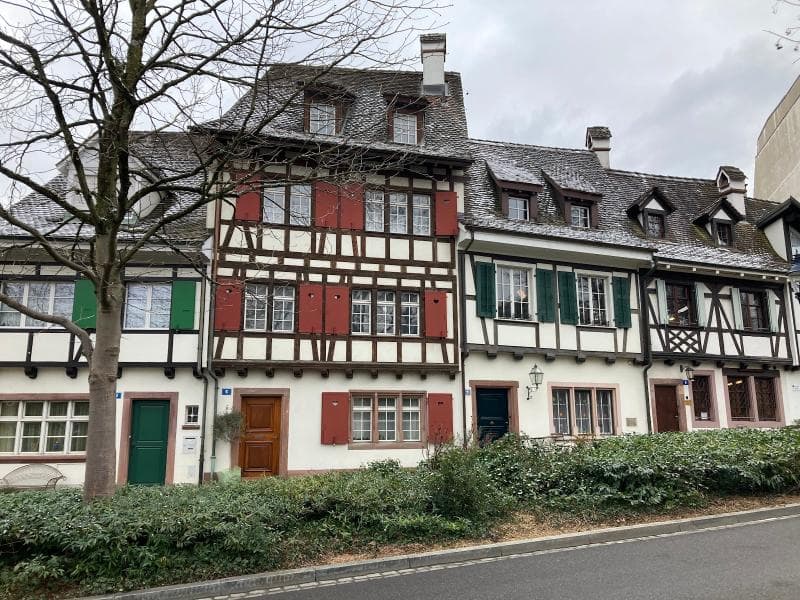
Explore the tranquil green spaces around Spalentor in Basel, Switzerland, including the historic Botanical Garden, offering a unique blend of medieval architecture and natural beauty.
Overview
Nestled at the western edge of Basel's historic Old Town, the area around the iconic Spalentor offers a refreshing contrast to the medieval stone and bustling streets. While not a single, officially named 'Surrounding Park,' the green spaces encompassing this magnificent city gate provide a serene and inviting atmosphere, making it a beloved spot for both locals and travelers seeking a moment of tranquility. Its most prominent natural feature is the University of Basel Botanical Garden, situated directly across from the gate, which beautifully complements the historical grandeur of the Spalentor itself. This harmonious blend of ancient architecture and lush greenery creates a unique entry point into the heart of Basel, inviting exploration and contemplation.
The Spalentor, one of Switzerland's most beautiful and well-preserved medieval city gates, stands proudly as a testament to Basel's rich past. As you approach, its imposing structure with twin round towers and a central arched passage immediately commands attention. The surrounding ambiance, marked by mature trees and carefully maintained garden beds, softens the gate's formidable appearance, offering picturesque views and a peaceful retreat from urban life.
History & Cultural Background
The Spalentor's origins trace back to the 14th century, specifically around 1370, when Basel, a flourishing city-state, needed robust defenses. It was part of the city's second ring of fortifications, strategically positioned as the main western entrance, primarily for trade and military purposes. The gate's construction was a significant engineering feat of its time, designed with thick walls and sturdy towers to withstand attacks.
Before the current Spalentor, Basel had earlier defensive walls dating back to 1080 and 1230. However, due to the city's expansion, a larger wall system, known as the Outer Wall, was built between 1362 and 1398, of which the Spalentor was a key component. Originally, this defensive ring boasted over 40 towers. By the 19th century, with Basel evolving, the city walls and most of its gates were demolished to make way for urban development and to improve hygiene. Fortunately, the Spalentor, along with two other gates – St. Alban-Tor and St. Johanns-Tor – and a small section of the ramparts, were preserved, recognizing their immense historical and architectural value. Today, the Spalentor is a national heritage site, offering a tangible link to Basel's medieval past.
What Makes It Special
What truly sets the area around the Spalentor apart is the captivating juxtaposition of its formidable medieval architecture with the gentle beauty of its green surroundings. The gate itself is a remarkable example of Gothic architecture, featuring two imposing towers adorned with intricate clock towers and decorative carvings depicting biblical scenes, heraldic symbols, and other motifs. These details offer insights into the cultural and religious beliefs of the era.
As the 'Surrounding Park,' the area embraces visitors with a tranquil atmosphere, inviting them to pause and appreciate the landmark's beauty. The presence of the University of Basel Botanical Garden directly opposite the gate is a unique aspect, offering an oasis of diverse plant collections just steps away from a medieval fortress. This green space provides an ideal vantage point for photographing the gate, especially in spring and summer when its flower gardens are in full bloom, adding vibrant colors to the historical backdrop. The blend of impressive Gothic design and the serene natural environment creates a visually stunning and historically rich experience.
Stories, Fun Facts & Local Details
Historically, the Spalentor served not only as a defensive structure but also as an administrative one, where customs duties were collected from merchants entering Basel from Alsace. The goods arriving through this gate were vital for the city's sustenance and economy.
A charming local detail found on the gate's façade is an historic letterbox from the cantonal postal system. Designed by Melchior Berri, this postbox bears an image of the 'Dove of Basel' (Basler Dybli), which was also featured on the world's first multi-colored stamp issued at the time. This small, artistic touch connects the gate to a significant moment in postal history.
The area around the Spalentor is also deeply integrated into contemporary Basel life. It serves as a popular backdrop for festivals and cultural events, and its iconic status makes it a favorite subject for artists and photographers. The serene surroundings offer a place for quiet reflection, contrasting with the gate's historic role as a point of entry for travelers and goods, once bustling with activity.
Visitor Perspective
For the curious traveler, visiting the 'Surrounding Park' of Spalentor is an enriching experience that combines history, architecture, and natural beauty. The gate is openly accessible 24 hours a day, allowing visitors to appreciate its grandeur at any time, though early morning or late afternoon often provide the best lighting for photography.
Stepping through the Spalentor is like entering a different era, offering immediate immersion into Basel's charming Old Town with its picturesque streets and historic buildings. Many guided walking tours of Basel include a stop at the Spalentor, providing deeper historical context and insights into its significance. Exploring the area on foot is highly recommended, allowing for leisurely strolls through the charming Old Town streets and a visit to the nearby Botanical Garden, which offers a peaceful interlude. The location is also conveniently served by public transport, with tram stops just outside the gate, making it easily reachable.
- Consider a visit during spring or autumn when the weather is mild, and the surrounding gardens are particularly beautiful.
- Take time to walk around the entire structure, noticing the intricate carvings and the varying perspectives from different angles.
- Don't miss a peaceful wander through the adjacent University of Basel Botanical Garden, a historic and tranquil oasis.
- Remember that while the gate itself is always open, nearby attractions like the Botanical Garden will have specific operating hours.
Coordinates: 7.581446, 47.557936
View on Google Maps💬 How Travelers Describe This Place
Based on community votes
Beautiful
853Interesting
639Photogenic
569Must See
190Unique
93
Traveler Stories
Discover memorable experiences shared by travelers who have visited this place.
No traveler stories yet.
Be the first traveler to share what made this place memorable.

Tour
By
Spot
Discover amazing places around the world. Your journey starts here.
Explore
© 2026 TourBySpot. All rights reserved.