Sunrise Viewing Area
Reykjavik, Iceland
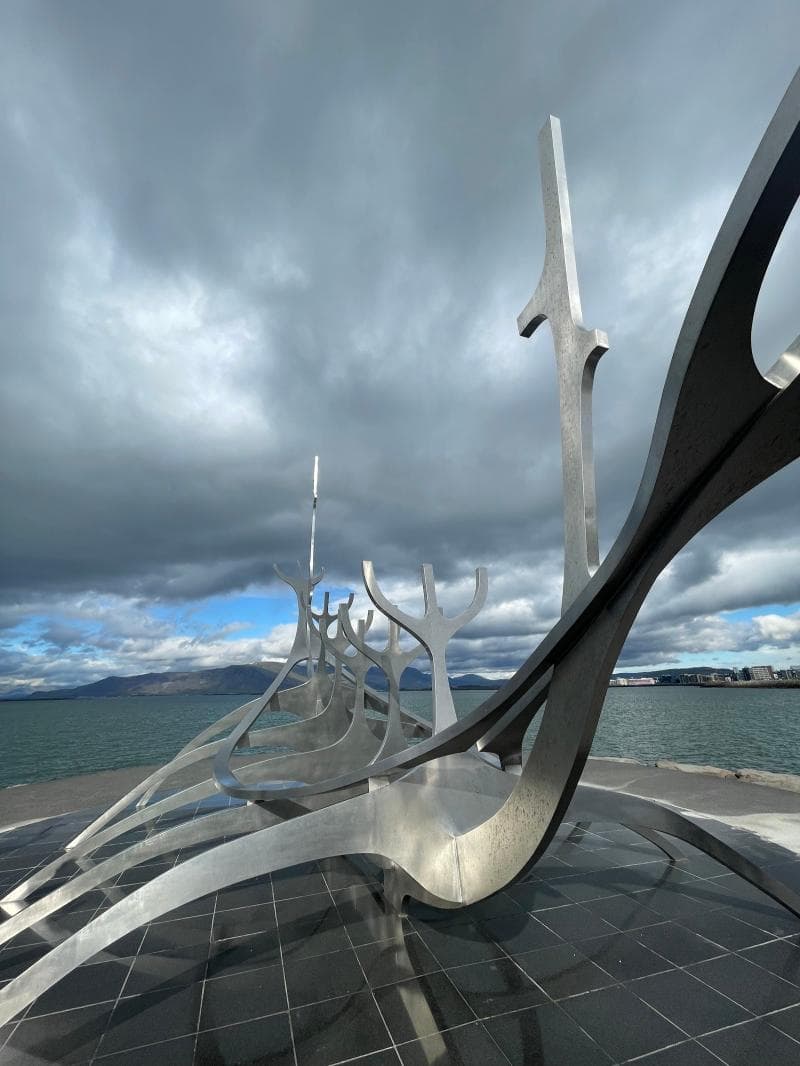
Experience the Sun Voyager in Reykjavik, Iceland, a stunning steel sculpture symbolizing hope and exploration, especially at sunrise.
Overview
Along Reykjavik's scenic waterfront, where the city meets the expansive Faxaflói Bay, stands a captivating steel sculpture known as the Sun Voyager, or ‘Sólfarið’ in Icelandic. While not officially designated as a 'Sunrise Viewing Area,' this iconic landmark has naturally become one of the most cherished spots in the city to witness the sun's dramatic entrance. Its prime location on the seaside promenade offers an unobstructed panorama, making it an ideal place to experience the serene magic of a Reykjavik sunrise. The sculpture itself, an elegant skeletal vessel, catches the first rays of dawn, transforming its polished surface into a canvas of shifting light and color. It's a place where the grandeur of nature meets profound artistic symbolism, inviting early morning visitors to reflect and be inspired by the dawning of a new day.
History & Cultural Background
The Sun Voyager was conceived by Icelandic artist Jón Gunnar Árnason. Its creation began in 1986, stemming from a competition held to commemorate Reykjavik's 200th anniversary. Árnason's design emerged as the winning piece, destined to become a significant outdoor sculpture for the city. Tragically, the artist battled leukemia and passed away in 1989, a year before his masterpiece was officially unveiled on August 18, 1990. Despite its resemblance to a Viking longship, a common misconception among visitors, the artist himself clarified that the Sun Voyager is not a historical Viking vessel. Instead, he envisioned it as a 'dreamboat,' an 'ode to the sun,' and a powerful symbol.
What Makes It Special
What truly sets the Sun Voyager apart, especially for those seeking a 'Sunrise Viewing Area,' is its profound symbolism coupled with its dynamic interaction with natural light. Crafted from polished stainless steel and set upon a granite base, the sculpture's unique form — a skeletal outline of an abstract ship with curved ribs and a sweeping prow reaching skyward — is designed to capture and reflect the ever-changing light of the sky and sea. At sunrise, the sculpture transforms. The rising sun bathes it in warm, golden hues, creating an ethereal glow that makes every visit a unique visual experience. Árnason intended the sculpture to convey the promise of undiscovered territory, a dream of hope, progress, and freedom. It embodies the human spirit of exploration and forward movement, making the act of watching the sunrise here a deeply resonant experience, full of optimism and new beginnings.
Stories, Fun Facts & Local Details
Jón Gunnar Árnason's vision for the Sun Voyager was deeply personal and philosophical. He described it as a 'sun ship' that symbolizes 'the promise of new, undiscovered territory.' While many interpret its form as a nod to Iceland's rich seafaring heritage, its core message transcends a mere historical reference, focusing instead on humanity's journey towards new horizons. An interesting detail is the dispute over its placement; Árnason initially intended the sculpture to face west, towards the setting sun and, symbolically, towards North America, perhaps echoing the voyages of early Icelandic explorers like Leif Erikson. However, due to urban planning considerations, it was ultimately installed facing north along the Sæbraut road. Despite this, the artist consented, understanding that its location on the waterfront, regardless of exact orientation, still powerfully conveyed its theme of travel and exploration. Locals and visitors alike flock to this spot, not just for its beauty, but for the peaceful contemplation it inspires, making it a favorite for photographers aiming to capture its gleaming surface against the dramatic Icelandic sky and the backdrop of Mount Esja.
Visitor Perspective
Visiting the Sun Voyager at sunrise offers a distinctly serene and almost spiritual experience. As the city slowly awakens, the waterfront remains relatively quiet, allowing for an unhurried appreciation of the sculpture and its surroundings. The crisp morning air, the gentle lapping of waves against the shore, and the soft, ever-changing light paint a breathtaking scene. From this vantage point, one can gaze across Faxaflói Bay towards the majestic Mount Esja, which often appears draped in the soft morning glow, creating a dramatic and picturesque backdrop. The area is flat and easily accessible, making it a pleasant stroll from downtown Reykjavik, just a short walk from the Harpa Concert Hall. Whether you're a photographer chasing the perfect shot, a traveler seeking a moment of quiet reflection, or simply someone who appreciates public art and natural beauty, the Sun Voyager offers a memorable start to any day in Iceland's capital.
Coordinates: -21.92, 64.1419
View on Google Maps💬 How Travelers Describe This Place
Based on community votes
Must See
984Unique
856Photogenic
702Interesting
295Beautiful
191
Traveler Stories
Discover memorable experiences shared by travelers who have visited this place.
No traveler stories yet.
Be the first traveler to share what made this place memorable.

Tour
By
Spot
Discover amazing places around the world. Your journey starts here.
Explore
© 2026 TourBySpot. All rights reserved.