Sunflowers Exhibit
Amsterdam, Netherlands
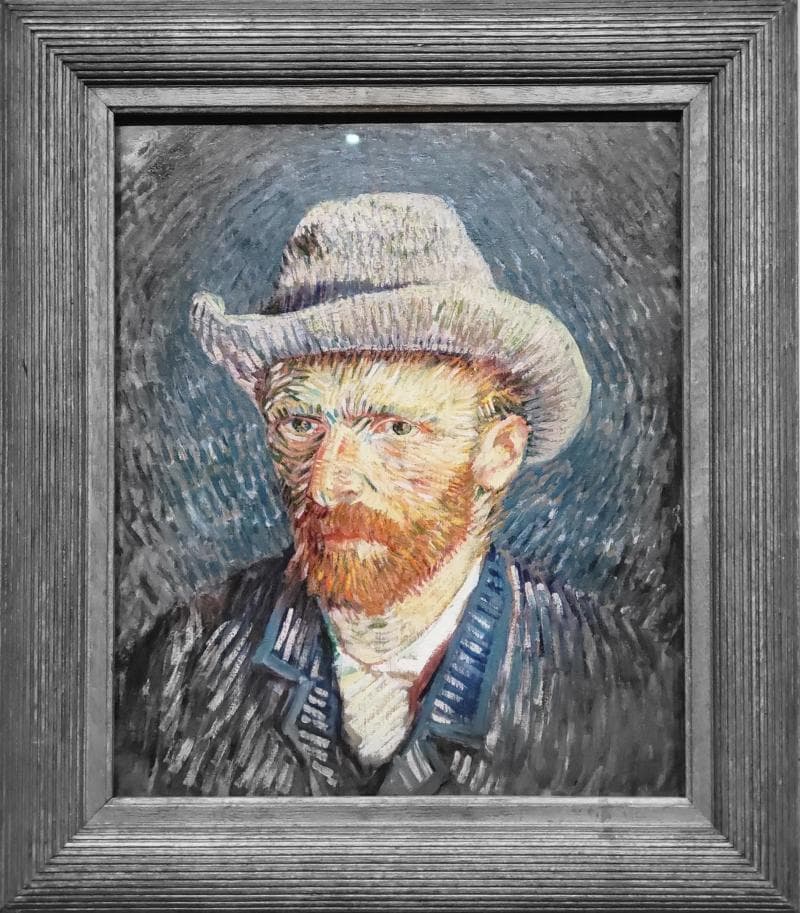
Discover Van Gogh's iconic 'Sunflowers' painting at the Van Gogh Museum in Amsterdam, Netherlands. Explore its history, symbolism, and unique artistry.
Overview
Stepping into the Van Gogh Museum in Amsterdam, Netherlands, visitors are often drawn to a particular masterpiece that radiates warmth and vitality: Vincent van Gogh's ‘Sunflowers’. While not a dedicated 'Sunflowers Exhibit' in the traditional sense, the museum proudly houses one of the iconic paintings from his renowned 'Sunflowers' series. This specific work, 'Still Life: Vase with Fifteen Sunflowers', created in January 1889, stands as a testament to Van Gogh's genius and his profound connection with nature.
The museum's presentation of this painting allows for an intimate exploration of its historical context, artistic significance, and the emotional depth that Van Gogh poured into his work. It remains a highlight for many, offering a vibrant glimpse into the artist's intense use of color and expressive brushwork.
History & Cultural Background
Vincent van Gogh painted his celebrated 'Sunflowers' series during two distinct periods: the first in Paris in 1887, depicting cut sunflowers lying on the ground, and the second, more famous series in Arles, in the south of France, during 1888 and 1889. The painting housed in the Van Gogh Museum belongs to this second series, which features sunflowers arranged in a vase.
These Arles 'Sunflowers' were deeply significant for Van Gogh, embodying themes of 'gratitude' and 'friendship'. He created them with the specific intention of decorating the 'Yellow House' in Arles, where he dreamt of establishing an artists' community and eagerly awaited the arrival of his friend and fellow artist, Paul Gauguin. Van Gogh believed these vibrant floral compositions would create a welcoming and cheerful atmosphere for his guest. The series reflects his fascination with the natural world and his desire to express profound emotions through color and form.
What Makes It Special
The 'Sunflowers' painting at the Van Gogh Museum is particularly special due to several factors. Van Gogh's innovative use of color, especially his masterful deployment of various shades of yellow, is immediately striking. He aimed to demonstrate that a rich composition could be created using primarily one color, showcasing its eloquence and diversity. The thick, textured brushstrokes, known as impasto, give the painting a dynamic and almost tangible quality, allowing viewers to sense the artist's passionate hand.
Furthermore, the painting captures the full cycle of the sunflower's life, from vibrant bloom to wilting decay, symbolizing both vitality and mortality. This poignant representation adds layers of meaning beyond mere botanical illustration. Uniquely, the Van Gogh Museum's 'Sunflowers' painting will remain a permanent fixture in Amsterdam, as conservation research revealed its 'stable but fragile' condition made it unsuitable for travel. This ensures that visitors can always experience this masterpiece in its home.
Stories, Fun Facts & Local Details
- Gauguin's Admiration: Paul Gauguin was reportedly very impressed by Van Gogh's sunflowers, remarking that they were 'completely Vincent'. This appreciation solidified the sunflowers' personal significance for Van Gogh.
- Yellow's Significance: Yellow was Vincent van Gogh's favorite color, which he associated with sunlight, hope, and spiritual energy. His 'Sunflowers' series is a vibrant celebration of this connection.
- A Fixed Home: After extensive research and conservation efforts, the Van Gogh Museum announced in 2019 that its version of 'Sunflowers' would no longer travel for exhibitions. This decision was made to protect the painting's delicate condition, meaning Amsterdam is its permanent home for art enthusiasts worldwide.
- Multiple Masterpieces: The Van Gogh Museum holds one of five versions of 'Sunflowers' in a vase that are displayed in museums globally. Other versions can be found in London, Tokyo, Munich, and Philadelphia, each with its unique characteristics.
Visitor Perspective
Visiting the 'Sunflowers' painting at the Van Gogh Museum is an unforgettable experience. It's an opportunity to stand before a work that has captivated millions, to feel the emotional intensity that Van Gogh poured into his canvas. The painting, with its vivid yellows and dynamic composition, invites contemplation on themes of beauty, friendship, and the transient nature of life. The museum provides context through educational displays and insights into the painting's conservation, enriching the visitor's understanding. Seeing 'Sunflowers' in person, rather than in reproduction, allows for a deeper appreciation of Van Gogh's textured brushwork and the subtle interplay of colors, connecting you directly to the artist's vision in a truly profound way. It’s a moment of quiet reverence in the bustling heart of Amsterdam.
Coordinates: 4.8811, 52.3583
View on Google Maps💬 How Travelers Describe This Place
Based on community votes
Unique
551Beautiful
547Must See
336Interesting
298Photogenic
212
Traveler Stories
Discover memorable experiences shared by travelers who have visited this place.
No traveler stories yet.
Be the first traveler to share what made this place memorable.

Tour
By
Spot
Discover amazing places around the world. Your journey starts here.
Explore
© 2026 TourBySpot. All rights reserved.