Summit of Jabal al-Nour
Mecca, Saudi Arabia
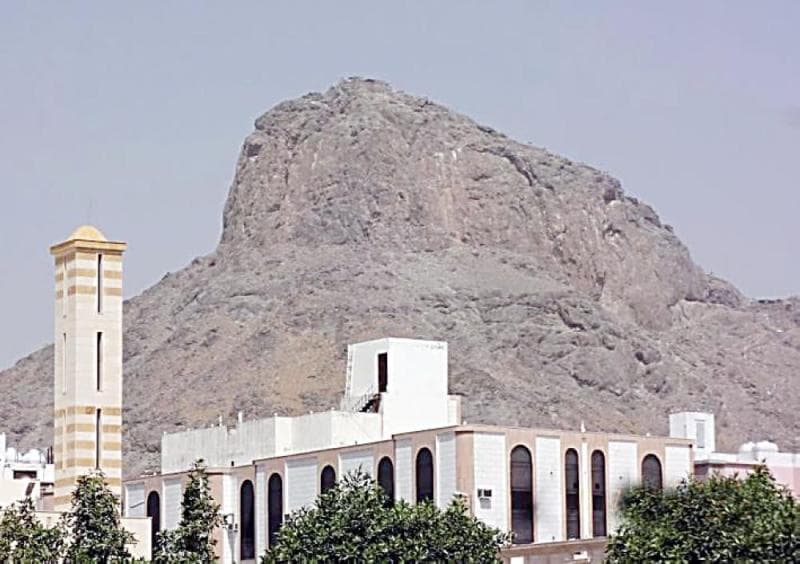
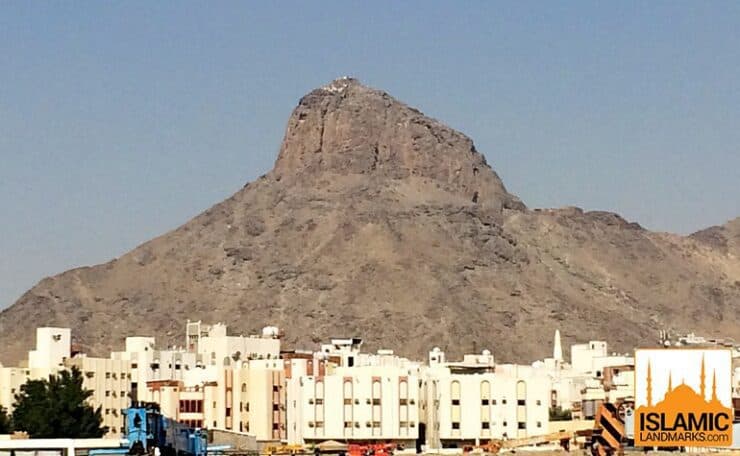
Explore the Summit of Jabal al-Nour in Mecca, Saudi Arabia, the sacred mountain housing the Cave of Hira where Islam's first revelation occurred.
Overview
Perched majestically in the rugged landscape of Mecca, Saudi Arabia, the Summit of Jabal al-Nour, often translated as 'Mountain of Light,' stands as a beacon of immense spiritual and historical significance. Rising approximately 642 meters above sea level, this prominent peak is renowned for housing the sacred Cave of Hira, a small grotto nestled just below its summit. For millions around the globe, Jabal al-Nour is not merely a geological formation but a pivotal site marking the genesis of Islam. It offers a profound pilgrimage experience, drawing visitors who seek to connect with the very origins of the Islamic faith and witness the panoramic vistas of Mecca spreading out below.
History & Cultural Background
The history of Jabal al-Nour is inextricably linked to the life of Prophet Muhammad (peace be upon him) and the dawn of Islam. Before receiving his prophethood, Muhammad frequently sought solitude and contemplation within the Cave of Hira, retreating from the bustling city life of Mecca. It was during one of these profound spiritual retreats, when he was around 40 years old, that divine revelation descended upon him. In the month of Ramadan in 610 CE, the Angel Jibreel (Gabriel) appeared to him in the cave and commanded him to 'Read!' This momentous event, involving the first five verses of Surah Al-Alaq, marked the beginning of the Holy Quran's revelation and the commencement of Muhammad's prophetic mission. This transformative experience forever consecrated Jabal al-Nour, transforming it into 'The Illumined Mount' or 'Mountain of Light,' a name that beautifully reflects the spiritual radiance that emanated from its peak.
What Makes It Special
The unparalleled spiritual significance of the Summit of Jabal al-Nour lies in its role as the sacred crucible where the first verses of the Quran were revealed. This single event irrevocably altered the course of human history and cemented the mountain's status as one of Islam's most revered sites. The Cave of Hira itself is a modest chamber, roughly 3.7 meters long and 1.6 meters wide, providing a confined yet contemplative space. This intimate setting underscores the profound personal journey of reflection undertaken by the Prophet. Beyond its historical weight, the summit offers breathtaking panoramic views of Mecca, including distant glimpses of the Grand Mosque (Masjid al-Haram), particularly stunning during sunrise or sunset. The arduous climb to the top becomes a symbolic journey, allowing pilgrims to momentarily detach from the temporal world and connect with a pivotal spiritual moment.
Stories, Fun Facts & Local Details
Before the first revelation, Prophet Muhammad's consistent retreats to the Cave of Hira illustrate his deep yearning for spiritual clarity and quiet contemplation, a practice known as 'tahannuth'. He would often carry provisions and spend several days in seclusion, reflecting on the state of society. The mountain itself has a distinctive appearance, with some describing its summit as resembling a fez or a camel's hump, making it recognizable in the Mecca skyline. While visiting Jabal al-Nour is not an obligatory ritual of Hajj or Umrah, thousands of pilgrims annually undertake the challenging ascent out of love, reflection, and a desire to connect with this foundational moment in Islamic history. At the base of the mountain, the Hira Cultural District has been developed, offering exhibitions and educational displays that provide deeper insights into the site's historical role and the story of the revelation, catering to those who may not be able to make the climb.
Visitor Perspective
Ascending to the Summit of Jabal al-Nour is a physically demanding journey, involving a climb of anywhere from 45 minutes to 3 hours, depending on fitness levels, often traversing some 1,200 to 1,750 steep and uneven steps. While challenging, many find the experience immensely rewarding, a spiritual endeavor that mirrors the Prophet's own struggles and perseverance. Visitors are strongly advised to wear sturdy hiking shoes, bring ample water, and plan their climb for the cooler hours of dawn or dusk to avoid the intense heat of the day. Modest dress and respectful behavior are essential, as this is a site of profound religious importance. Upon reaching the small Cave of Hira, patience is often required during peak times, as only a few people can enter at once. Many pilgrims choose to pray or simply reflect in the serene atmosphere, absorbing the spiritual energy of the place where Islam began. The descent, while still requiring caution, is generally less strenuous.
Coordinates: 39.86039, 21.4578
View on Google Maps💬 How Travelers Describe This Place
Based on community votes
Interesting
886Photogenic
564Beautiful
443Must See
310Unique
233
Traveler Stories
Discover memorable experiences shared by travelers who have visited this place.
No traveler stories yet.
Be the first traveler to share what made this place memorable.

Tour
By
Spot
Discover amazing places around the world. Your journey starts here.
Explore
© 2026 TourBySpot. All rights reserved.