Subantarctic House
Frankfurt, Germany
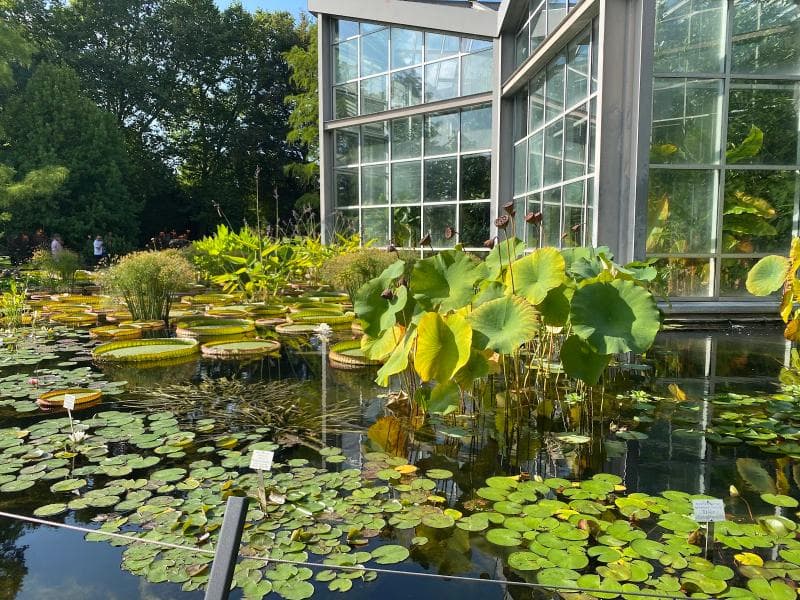
Explore the unique Subantarctic House at Palmengarten Frankfurt, Germany, showcasing rare cool-temperate flora from the Southern Hemisphere.
Overview
Deep within the renowned Palmengarten Frankfurt, Germany, lies a truly distinctive botanical experience: the Subantarctic House. This specialized display house is dedicated to showcasing the unique flora of the world's southernmost regions, specifically those near the Antarctic. Visitors will discover plant life from Patagonia, Tierra del Fuego, the Falkland Islands, New Zealand's South Island, and other subantarctic islands. Unlike the tropical heat found in many other glasshouses, the Subantarctic House offers a refreshingly cool and moist environment, carefully curated to replicate the cool-temperate conditions of these remote landscapes. While not the largest of the Palmengarten's extensive collection of greenhouses, its focus on this rarely seen vegetation makes it a truly unique and significant attraction, with only Tasmania reportedly housing a similar display of such specialized flora.
History & Cultural Background
The Palmengarten itself boasts a rich history, having first opened its gates on March 16, 1871, following its private financing by an association of Frankfurt citizens and the vision of Heinrich Siesmayer. Over its 150-year existence, the garden has continuously expanded its collections and added various display houses. The Subantarctic House, inaugurated in 1992, represents a later, yet crucial, addition to this botanical heritage. Its construction is particularly noteworthy as it ingeniously repurposed elements from the former palm house in Bad Kissingen, which had been decommissioned in 1904. This architectural recycling not only speaks to a commitment to sustainability but also imbues the structure with a fascinating historical layer. The creation of the Subantarctic House was considered an important innovation implemented during Gustav Schoser's directorship, highlighting the Palmengarten's continuous pursuit of botanical diversity and educational outreach.
What Makes It Special
The Subantarctic House stands out for its exceptional botanical focus and remarkable climatic engineering. It is one of the very few botanical gardens globally that actively collects and exhibits plants from the extreme southern parts of the world, making it an almost unparalleled experience. To faithfully recreate the cool, humid climate essential for these plants, the house employs advanced technology. Brownish 'SolStopp' glass panels are used to block warming infrared rays, while automated ventilation and fog systems work in concert to maintain an internal temperature that consistently remains around 8 degrees Celsius below the outside summer temperature. This precise environmental control allows for the thriving display of diverse subantarctic flora, including various cypresses, delicate alpine water ferns, and robust astelia. The interior is thoughtfully designed, separating plants from distinct regions: one side, characterized by red sandstone, features vegetation from Patagonia, Tierra del Fuego, and the Falkland Islands, complete with a small swampy area. The other side, with a firm gray appearance, showcases plants originating from New Zealand and its neighboring islands.
Stories, Fun Facts & Local Details
A charming detail of the Subantarctic House's construction is its origin story: rather than being built entirely anew, it was partially constructed from the salvaged components of an older palm house from Bad Kissingen. This imaginative reuse of materials adds a layer of 'upcycling' history to the structure, long before the term became common parlance. The meticulous effort to maintain the specific cool and moist conditions within, through specialized glass and automated systems, underscores the scientific dedication required to cultivate these rare species far from their native habitats. Visiting the Subantarctic House offers a unique opportunity to 'travel' to the ends of the earth botanically, providing a tangible connection to remote landscapes rarely experienced firsthand. The Palmengarten itself, where this house resides, has hosted a myriad of cultural events throughout its history, even welcoming the famous American entertainer Buffalo Bill and his Wild West show in 1890, adding a vibrant cultural backdrop to its botanical pursuits.
Visitor Perspective
For the curious traveler, the Subantarctic House offers a distinct and memorable departure from typical botanical garden exhibits. It's a chance to step into a cool, refreshing microclimate and explore plant communities adapted to the planet's southern extremities. This unique experience provides a fresh perspective on botanical diversity, highlighting the resilience and beauty of flora from Patagonia's rugged landscapes to New Zealand's South Island. Despite its relatively modest size compared to some of the Palmengarten's grander structures, its specific focus and the unusual nature of its inhabitants make it an essential stop for anyone interested in specialized plant collections or simply seeking a unique moment of cool tranquility. It serves as a testament to the Palmengarten's commitment to presenting a global spectrum of plant life, offering an educational and emotionally resonant journey to a seldom-explored corner of the botanical world.
Coordinates: 8.65556, 50.12361
View on Google Maps💬 How Travelers Describe This Place
Based on community votes
Must See
673Photogenic
336Interesting
219Unique
186Beautiful
80
Traveler Stories
Discover memorable experiences shared by travelers who have visited this place.
No traveler stories yet.
Be the first traveler to share what made this place memorable.

Tour
By
Spot
Discover amazing places around the world. Your journey starts here.
Explore
© 2026 TourBySpot. All rights reserved.