Street Murals
Reykjavik, Iceland
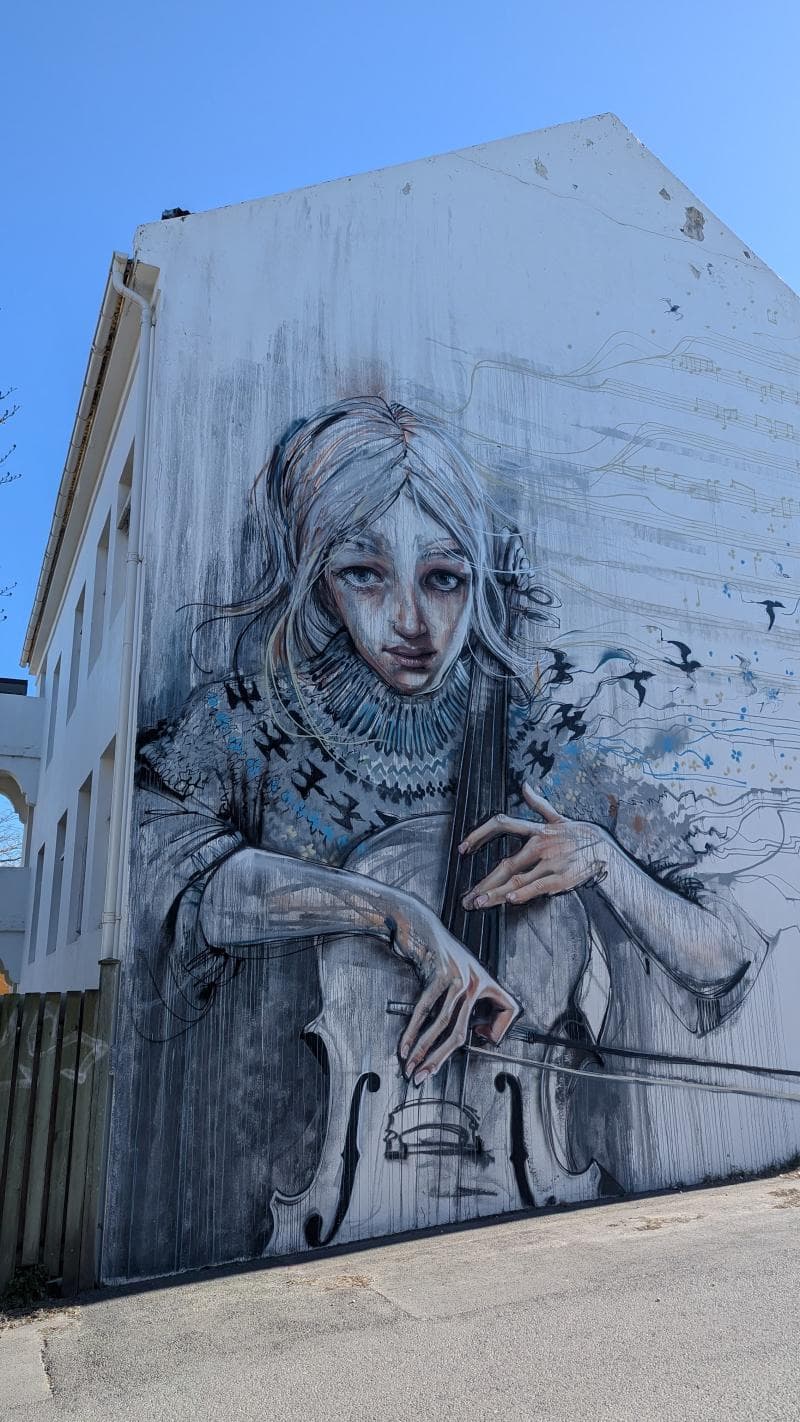
Overview
Laugavegur, Reykjavik's bustling main shopping street, transforms into a dynamic open-air art gallery, showcasing an extraordinary collection of street murals. This central artery of the Icelandic capital is not merely a commercial hub but a vibrant canvas where art and daily life merge, offering a captivating visual journey for every visitor. The street art here is a diverse tapestry of color, creativity, and narrative, making a stroll along Laugavegur an immersive cultural experience.
From expansive, vivid murals adorning building facades to more intricate pieces tucked into alleyways, the street art of Laugavegur reflects Reykjavik's unique artistic spirit. It's a blend of planned, commissioned works and spontaneous expressions, all contributing to the city's distinctive character.
History & Cultural Background
The genesis of Reykjavik's street art movement can be traced back to the late 1990s. Initially, these early forms of graffiti were often perceived as rebellious acts. However, over time, they evolved, gradually gaining acceptance and transforming into more intricate and recognized public art forms.
A significant turning point for the legitimization and expansion of street art in Reykjavik was the 'Wall Poetry Project'. Launched in 2015 and 2016 as a collaboration between the annual Iceland Airwaves music festival and Urban Nation, a Berlin-based museum for urban contemporary art, this initiative paired international street artists with Icelandic musicians. The artists were commissioned to create murals inspired by specific songs or albums, leading to a profound explosion of murals across the city.
This project, along with shifting public and official attitudes, played a pivotal role in transforming urban spaces into celebrated artistic hubs. Today, Reykjavik openly embraces its street artists, frequently commissioning works and providing walls as canvases, highlighting a collective desire to beautify the city's environment.
What Makes It Special
The street murals of Laugavegur are particularly special for several compelling reasons. During the long, often grey Icelandic winters, these colorful artworks serve to brighten the cityscape, combating the nickname 'Greykjavik' and injecting warmth and personality into the urban environment.
The art often showcases a unique fusion of traditional Icelandic motifs with contemporary global styles, creating a visual language that is distinctly local yet universally appealing. Many pieces are a result of unique collaborations between artists, local businesses, and cultural institutions, fostering a strong community ethos.
Furthermore, the transient nature of street art means the 'gallery' is ever-evolving. While some iconic pieces remain, new works constantly appear, reflecting current themes and artistic trends, ensuring that there is always something new to discover. This dynamism contributes to Reykjavik's reputation as a top street art city globally.
Stories, Fun Facts & Local Details
Laugavegur's murals are rich with stories and cultural references. One prominent example is 'Ode to Mother' by Caratoes, located at Laugavegur 23. This large-scale, often described as a 'hallucinatory haze' of a cyclops-fish-bird, was inspired by the song 'Óður til Móður' by the Icelandic band Ylja and was part of the Wall Poetry Project.
Another notable artwork is Selur's 'Kicking Eagle' on the side of Laugavegur 25, a striking image initially created for a designer store. Down the street, at Laugavegur 64-66, one can find the 'Vampire' mural by *FACE and Agent Fresco, which draws inspiration from the medieval Icelandic Laxdæla Saga, adding a layer of historical folklore to the urban landscape.
Beyond these, numerous pieces by artists like Arnór Kári, Juan Pictures Art, Elle, and Raff (Raffaella Sigurðardóttir) can be found, often incorporating themes of Icelandic nature, folklore, and contemporary social commentary. Even the street's name, Laugavegur, meaning 'Wash Road' or 'Water Road', holds historical significance, referring to the path Icelandic women once took to hot springs for laundry.
Visitor Perspective
Exploring the street murals of Laugavegur offers a memorable experience for any traveler. It's an opportunity to engage with Reykjavik's artistic pulse and gain a deeper understanding of its cultural landscape. The murals are intentionally integrated into the fabric of the street, appearing on shopfronts, building gables, and even down side alleys, encouraging a sense of discovery.
Visitors can embark on self-guided 'street art hunts' or join organized walking tours, where local guides often share insights into the artists, their techniques, and the stories behind each masterpiece. This allows for a unique lens through which to view Reykjavik, blending art, history, and urban exploration. The highly 'Instagrammable' nature of these vibrant artworks also makes them a popular spot for photography, capturing a piece of Reykjavik's lively and creative spirit.
Coordinates: -21.923, 64.1405
View on Google Maps💬 How Travelers Describe This Place
Based on community votes
Unique
926Interesting
450Beautiful
404Photogenic
280Must See
246
Traveler Stories
Discover memorable experiences shared by travelers who have visited this place.
No traveler stories yet.
Be the first traveler to share what made this place memorable.

Tour
By
Spot
Discover amazing places around the world. Your journey starts here.
Explore
© 2026 TourBySpot. All rights reserved.