Street food stalls
Osaka, Japan
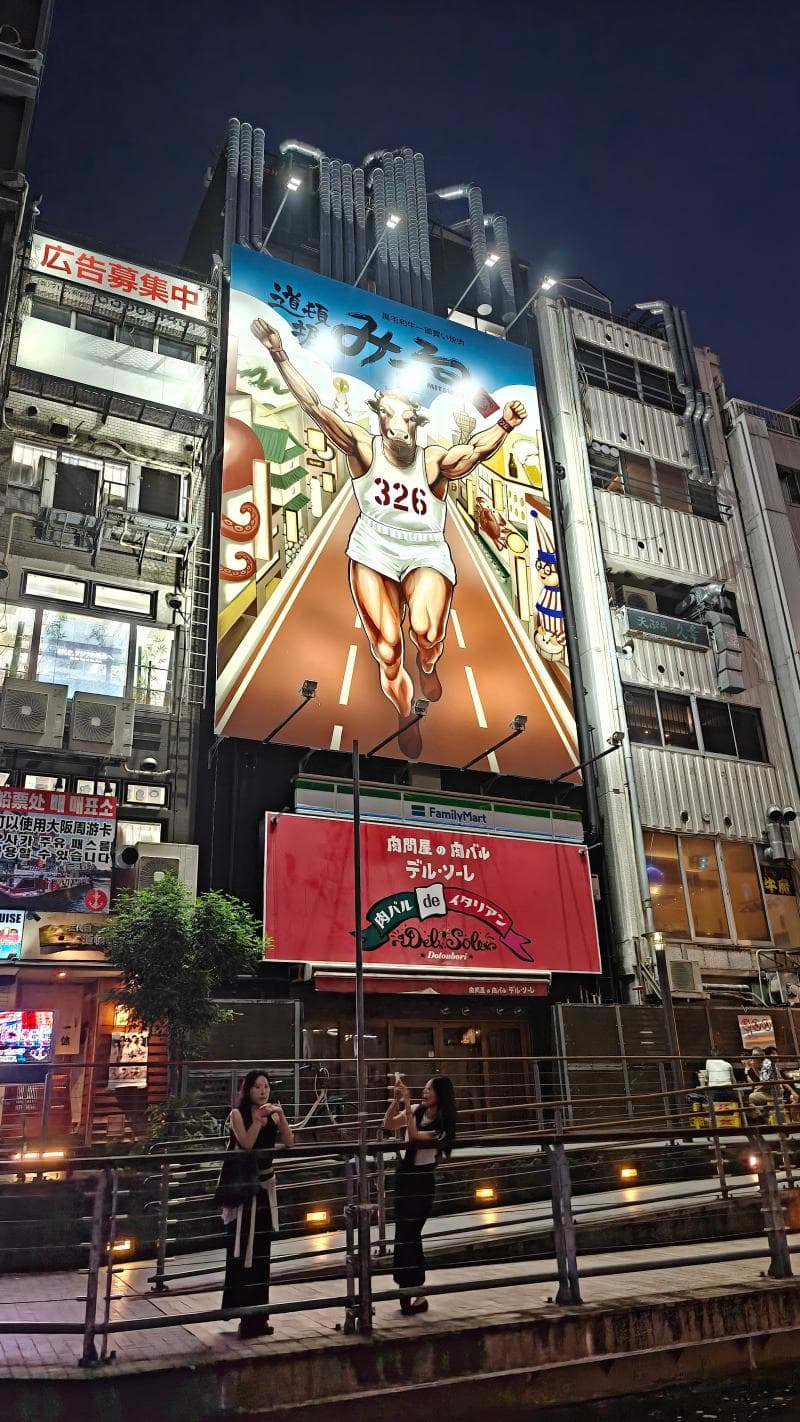
Explore the vibrant street food stalls of Dotonbori in Osaka, Japan. Discover iconic takoyaki, okonomiyaki, and kushikatsu in this dazzling culinary hub.
Overview
Dotonbori, nestled in the vibrant Minami district of Osaka, Japan, stands as an iconic symbol of the city's lively spirit and insatiable love for food. It is a bustling canal-side area that transforms into a dazzling spectacle of neon lights and colossal animated signboards as dusk falls, creating an unforgettable sensory experience. Often heralded as a 'food paradise' or 'Japan's Kitchen,' Dotonbori is particularly renowned for its street food stalls, which line the energetic thoroughfares, beckoning visitors with tantalizing aromas and the sizzling sounds of culinary creations. Here, curious travelers can embark on a gastronomic adventure, sampling an array of Osaka's signature dishes right from the source, prepared with generations of expertise.
History & Cultural Background
The genesis of Dotonbori dates back to the early 17th century, specifically 1612, when a local merchant, Yasui Doton, initiated the ambitious project of digging a new canal to connect to the Kizugawa River. Although his efforts were interrupted by war and completed by his cousins, the canal was named 'Dotonbori' in his honor. By 1621, the Tokugawa Shogunate officially designated the area as Osaka's entertainment district, leading to a flourishing of theaters showcasing traditional Japanese performing arts such as Kabuki and Bunraku puppet theater.
As audiences and performers flocked to Dotonbori, establishments catering to their needs, including restaurants and teahouses, naturally emerged and prospered. This laid the fundamental groundwork for the district's enduring reputation as a culinary hub. Osaka itself earned the moniker 'Japan's Kitchen' due to its historical role as a mercantile center, importing goods and fostering a rich food culture. Dotonbori embodies the very essence of Osaka's unique culinary philosophy, known as 'kuidaore,' which roughly translates to 'eat until you drop' or 'eat yourself bankrupt' – a joyful dedication to indulging in delicious food without restraint.
What Makes It Special
What truly sets Dotonbori's street food scene apart is its extraordinary concentration and diversity of culinary offerings, all within a compact, electrifying space. The district is a living testament to Osaka's 'kuidaore' culture, where food is not just sustenance but a vibrant spectacle. The visual feast of colossal, three-dimensional signboards – a giant moving crab, a massive octopus, or a comical chef – are iconic and play a crucial role in attracting passersby, often becoming landmarks in themselves.
Beyond the visual spectacle, Dotonbori offers a full sensory immersion. The air is thick with competing aromas of grilling takoyaki, savory okonomiyaki, and sizzling kushikatsu. The energetic shouts of vendors, the laughter of diners, and the constant hum of the crowd create an atmosphere unlike any other. Many of these street food stalls are not merely transient operations but have been perfecting their craft for decades, passed down through generations, ensuring an authentic taste of Osaka's culinary heritage. It's a place where every turn presents a new opportunity to discover a beloved local delicacy, making it an essential destination for anyone seeking to understand Osaka's edible identity.
Stories, Fun Facts & Local Details
The spirit of 'kuidaore' is more than just a motto in Dotonbori; it's a way of life, encouraging visitors to sample as much as their stomachs (and wallets) can handle. Among Dotonbori's most famous landmarks is the Glico Running Man sign, a massive neon billboard featuring an athlete crossing a finish line, which has become an unofficial symbol of Osaka and a popular photo spot since 1935. Another beloved local figure is Kuidaore Taro, a drumming clown that is reputedly Japan's first robot billboard, adding to the district's playful character.
When it comes to the food itself, Dotonbori is the birthplace and reigning champion of several Japanese street food staples. Takoyaki, savory octopus-filled batter balls cooked in special spherical molds, originated in Osaka in the 1930s and are a must-try. Okonomiyaki, a customizable savory pancake made with flour, eggs, and shredded cabbage, often mixed with pork and other ingredients, is another local favorite. Kushikatsu, various ingredients like meat, seafood, and vegetables deep-fried on skewers, offers a delightful crunch. A crucial local etiquette when enjoying kushikatsu is the strict 'no double-dipping' rule in the communal sauce pots, a testament to the respect for shared food experiences. These flour-based delights are affectionately known as 'konamon' in Osaka, a term that highlights the city's love affair with batter-based dishes.
Visitor Perspective
For a curious traveler, stepping into the street food labyrinth of Dotonbori can be an exhilarating, albeit slightly overwhelming, experience. The district truly comes alive after sunset, when the neon lights reflect on the Dotonbori Canal, amplifying the festive atmosphere and making every stall glow with an inviting warmth. It presents an unparalleled opportunity to immerse oneself in Osaka's famed culinary culture, offering a diverse palette of local specialties within walking distance.
The adventure lies in navigating the bustling crowds, choosing from countless enticing stalls, and experiencing the immediate gratification of freshly prepared dishes right before your eyes. From the first bite of a piping hot takoyaki to the savory layers of an okonomiyaki, or the crispy delight of kushikatsu, Dotonbori offers more than just food; it offers a direct connection to the heart and soul of Osaka's vibrant culinary traditions. It's a place where every meal becomes a memorable part of the travel story, a true taste of Japan's 'eat-till-you-drop' philosophy.
Coordinates: 135.5027, 34.6685
View on Google Maps💬 How Travelers Describe This Place
Based on community votes
Photogenic
996Must See
953Beautiful
658Interesting
585Unique
69
Traveler Stories
Discover memorable experiences shared by travelers who have visited this place.
No traveler stories yet.
Be the first traveler to share what made this place memorable.

Tour
By
Spot
Discover amazing places around the world. Your journey starts here.
Explore
© 2026 TourBySpot. All rights reserved.