Street Art
Reykjavik, Iceland
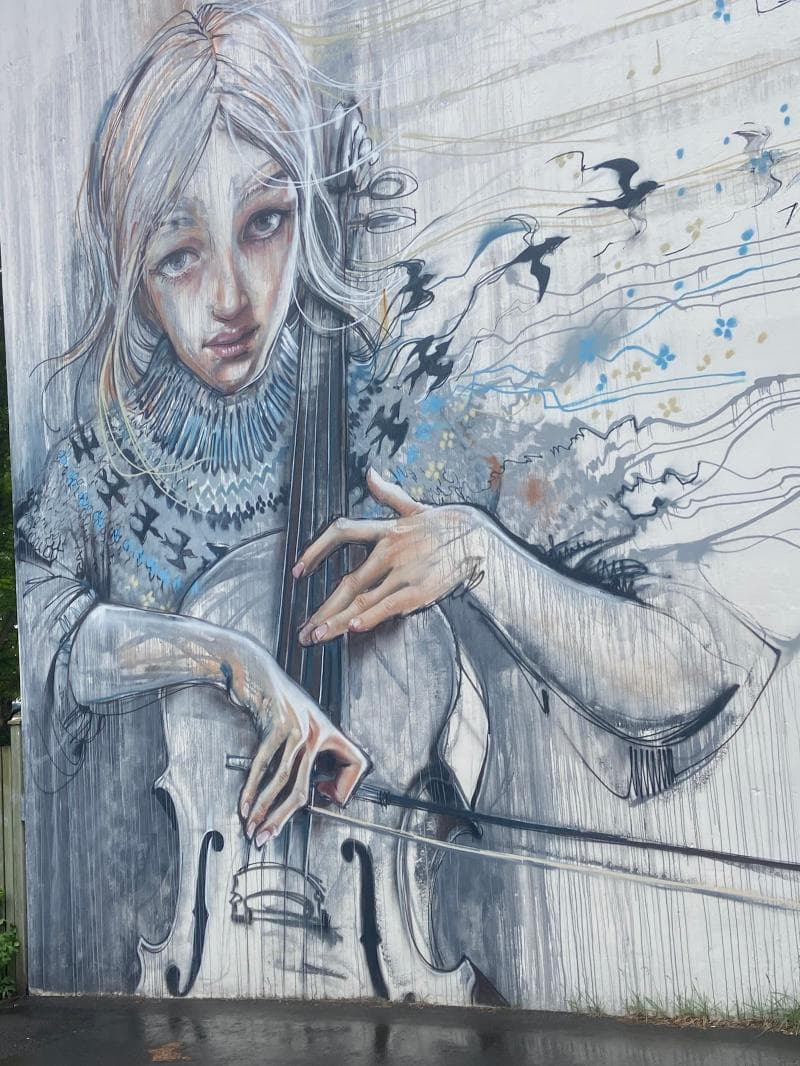
Explore the vibrant street art of Reykjavik Old Harbour, Iceland. Discover colorful murals, their history, and cultural stories in this dynamic open-air gallery.
Overview
The Reykjavik Old Harbour, a historic maritime hub, has transformed into a vibrant canvas for an ever-evolving street art scene. Far from merely a functional port, this area, including the Grandi district, now pulses with creative energy, featuring an array of colorful and thought-provoking murals that contrast beautifully with Iceland's rugged natural landscapes. This accessible open-air gallery invites curious travelers to wander and discover artistic expressions around every corner, offering a unique glimpse into the city's modern cultural pulse.
The street art found here, like throughout Reykjavik, is characterized by its dynamic and often temporary nature. Walls are regularly refreshed, and construction sites frequently become unexpected, rotating canvases, ensuring that the visual landscape is always in flux. This constant renewal contributes to the scene's energetic and captivating appeal.
History & Cultural Background
Reykjavik's street art journey began in the 1990s, much like in many other cities, with unsanctioned graffiti and tags that were often viewed as acts of rebellion or vandalism. However, a significant shift in public and official perception occurred in the late 2000s and early 2010s, leading to a growing acceptance and even encouragement of this urban art form.
A major turning point and catalyst for the flourishing of Reykjavik's street art, particularly in areas like the Old Harbour, was the 2015 Wall Poetry project. This innovative collaboration paired the Iceland Airwaves music festival with the Berlin-based Urban Nation art initiative. International street artists were invited to create large-scale murals across the city, each inspired by a song, lyric, or literary reference provided by a musician performing at the festival. This project dramatically transformed Reykjavik's walls, elevating street art to a recognized cultural asset and helping to define the city's modern street art identity.
What Makes It Special
What makes the street art of Reykjavik Old Harbour truly special is its seamless integration into the everyday urban fabric and its ability to tell stories. Unlike traditional gallery art, these murals live outdoors, interacting with the elements and the constant ebb and flow of city life. The artistic works found here are a blend of local Icelandic talent and contributions from internationally acclaimed artists, creating a rich tapestry of styles and narratives.
The themes explored in these artworks are diverse, often reflecting Icelandic folklore, contemporary social issues, or direct inspirations from music and local culture. This fusion of traditional motifs with contemporary styles adds a unique Icelandic essence to the global street art movement. The Old Harbour area, with its backdrop of warehouses and maritime activity, often features works that lean towards a grittier, more experimental vibe, providing a distinct character compared to other parts of the city.
Furthermore, during the long, often grey Icelandic winters, these vibrant murals serve a vital purpose, brightening up the cityscape and providing bursts of color that uplift spirits. Locals sometimes refer to Reykjavik as 'Greykjavik,' highlighting how essential these artistic interventions are in transforming mundane urban spaces into lively, dynamic visual experiences.
Stories, Fun Facts & Local Details
The Old Harbour area has been home to some particularly notable pieces. Australian artist Guido van Helten, for instance, created impressive large-scale murals on three sides of the 'Loftkastalinn' building. These works were based on photographs by Andres Kolbeinsson from the Reykjavik Museum of Photography Archive, depicting scenes from Jean-Paul Sartre's play 'No Exit,' which was performed in the city in 1961. While some of these might be affected by ongoing construction, they represent a significant part of the area's artistic narrative.
Another fascinating example near the Old Harbour is a Hieronymus Bosch-inspired mural, a collaboration between the artist Phlegm and the Icelandic band Múm, created as part of the Wall Poetry project. This piece exemplifies how the project aimed to translate musical inspiration into large-scale public art. Sara Riel, considered one of Iceland's pioneering street artists, also contributes to the scene, with pieces like 'Phoenix' near the harbor, embodying themes of rebirth and the natural world.
The very nature of street art in Reykjavik means that some pieces are temporary. New owners might paint over old works, or buildings might be torn down, making every visit a fresh opportunity for discovery. This impermanence adds to the unique charm and value of experiencing the art in the moment.
Visitor Perspective
For the curious traveler, exploring the street art of Reykjavik Old Harbour is an accessible and enriching experience. There's no need for tickets or formal entry; the entire district serves as an open-air museum, freely inviting exploration. The best way to engage with this art is simply to wander with a keen eye, allowing yourself to be surprised by what you discover around each corner and down various alleyways.
Many find that walking between murals is a fun way to explore the city, turning urban sightseeing into a continuous scavenger hunt. Public art tours and 'street art hunts' have grown in popularity, offering guided insights into the artists, stories, and cultural significance behind the works. Visiting during late spring through early autumn offers the best light for photography, although the art can be appreciated year-round, with winter providing a dramatic contrast between colorful walls and the snowy environment.
The dynamic and ever-changing nature of the street art ensures that no two visits are exactly alike, making it a truly unique and memorable aspect of Reykjavik's cultural landscape.
Coordinates: -21.89541, 64.13548
View on Google Maps💬 How Travelers Describe This Place
Based on community votes
Must See
984Beautiful
848Unique
326Interesting
225Photogenic
159
Traveler Stories
Discover memorable experiences shared by travelers who have visited this place.
No traveler stories yet.
Be the first traveler to share what made this place memorable.

Tour
By
Spot
Discover amazing places around the world. Your journey starts here.
Explore
© 2026 TourBySpot. All rights reserved.