Street Art Areas
Tallinn, Estonia
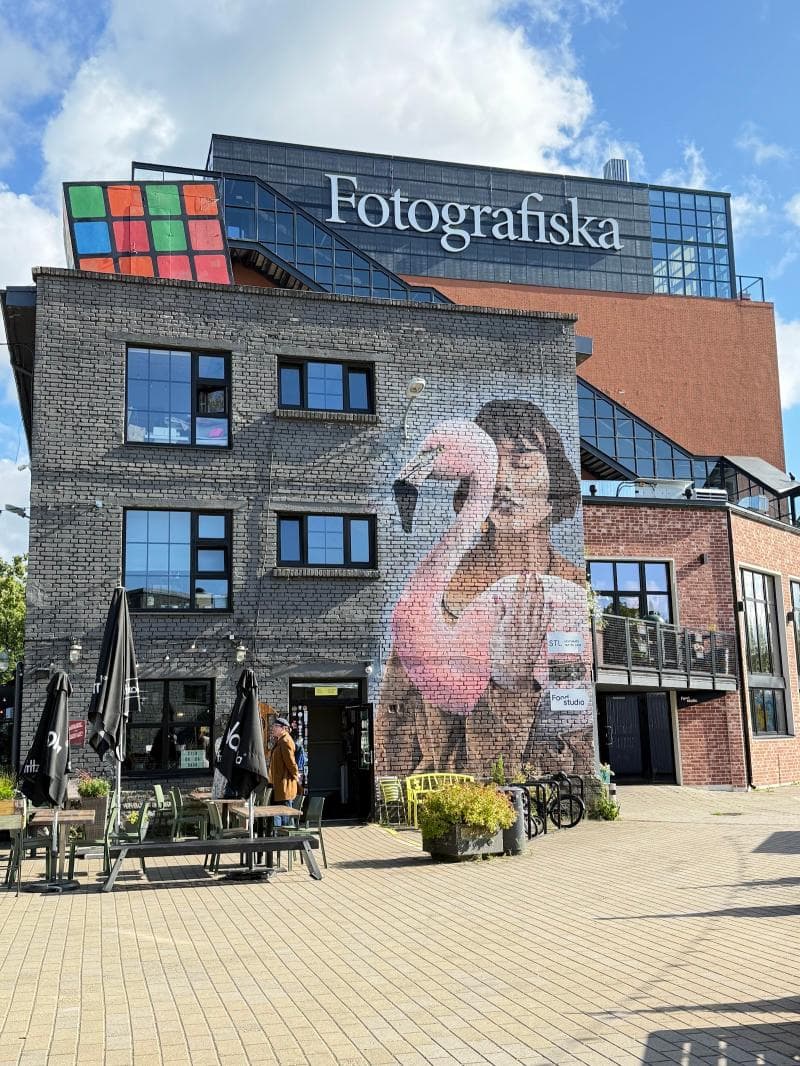
Discover the vibrant Street Art Areas of Telliskivi Creative City in Tallinn, Estonia. Explore an outdoor gallery of murals, graffiti, and urban art.
Overview
Nestled in the vibrant heart of Tallinn, Estonia, the Street Art Areas within Telliskivi Creative City offer a captivating journey into urban artistry. This dynamic district, a transformed industrial complex, serves as Estonia's largest creative hub and an expansive open-air gallery where every wall tells a story. From monumental murals to intricate stencils, the art here is ever-evolving, reflecting the city's contemporary pulse and the boundless creativity of both local and international artists. It is a place where the past industrial grit meets a kaleidoscope of modern expression, inviting visitors to wander and discover beauty at every turn.
History & Cultural Background
Telliskivi Creative City occupies the former grounds of the Baltic Railway Company factory, a significant industrial site in Tallinn's history. Following Estonia's regained independence in 1991, the once-bustling factory complex lay dormant until a visionary transformation began. The Creative City was officially established in 2009, breathing new life into the disused buildings and revitalizing the area. This repurposing of industrial architecture into a cultural epicenter laid the groundwork for the flourishing street art scene. Initially, the grey, imposing walls of the old factories served as blank canvases, gradually attracting artists who began to adorn them with their works. This artistic movement was not just about decoration; it was about reclaiming space, fostering community, and expressing a new cultural identity for a city looking forward. The spontaneous spread of street art eventually became an integral and celebrated aspect of Telliskivi's unique character.
What Makes It Special
What truly sets Telliskivi's Street Art Areas apart is their dynamic and ever-changing nature. It is an outdoor urban art museum, where pieces range from small, intricate graffiti tags to colossal murals covering entire building facades. This constant evolution ensures that each visit offers a fresh perspective and new discoveries. A pivotal moment for the area's artistic landscape was the Mextonia Street Art Festival in June 2017, which celebrated the Estonian centennial. This festival brought together artists from Estonia, Mexico, and beyond, resulting in many of the iconic large-scale murals that blend Estonian and Mexican folklore. Key works include 'Kalevipoeg's First Flight' by Cinzah, a massive mural depicting a white-tailed eagle that greets many visitors, and 'Dance of Death with Endel, aka Endel with a Stick' by the enigmatic Edward von Lõngus. Another striking piece, 'Woman' by French artist Hopare, stands out with its realistic portrayal and vibrant colors. The blend of local talent with international contributions creates a rich tapestry of styles and narratives, making the district a vibrant showcase of global urban art.
Stories, Fun Facts & Local Details
Many of the artworks in Telliskivi carry fascinating stories and cultural significance. For instance, Cinzah's 'Kalevipoeg's First Flight' draws inspiration from the Estonian national epic, linking the contemporary artwork to deep-rooted folklore. The eagle symbolizes leadership, strength, and vision, encouraging viewers to consider their relationship with the environment and history. The eye-catching mural 'Woman' by Hopare is a unique creation, inspired by a chance encounter the artist had with an actual woman on a Tallinn street, whose likeness he chose to immortalize on a building. Locals often remark that they 'cannot remember or even imagine Telliskivi with grey walls anymore', a testament to how deeply the street art has become ingrained in the area's identity. Beyond the visual feast, the integration of the art with the bustling shops, cafes, and creative businesses within Telliskivi Creative City creates a lively atmosphere that reflects Tallinn's innovative spirit. It's common to see people enjoying a coffee while admiring a mural or discussing the latest artistic addition, making the art a living part of the community's daily life.
Visitor Perspective
Exploring the Street Art Areas of Telliskivi Creative City is an immersive and highly rewarding experience for any traveler. The district is easily walkable, making it perfect for a leisurely stroll where new art can be discovered around every corner and in hidden alleyways. It's a photographer's paradise, with countless vibrant backdrops and intriguing subjects for capturing memorable shots. Many visitors choose to combine their exploration of Telliskivi's street art with a visit to the charming wooden-house district of Kalamaja, just a short walk away, or the nearby Balti Jaam Market. The street art is freely accessible, offering a cultural experience that costs nothing but time. Whether you're an art enthusiast, a history buff, or simply a curious wanderer, Telliskivi's street art provides a unique window into Tallinn's creative soul, alive with stories and vibrant colors both day and night.
Coordinates: 24.72874550831096, 59.439790796669385
View on Google Maps💬 How Travelers Describe This Place
Based on community votes
Photogenic
1.0kUnique
869Must See
416Interesting
309Beautiful
33
Traveler Stories
Discover memorable experiences shared by travelers who have visited this place.
No traveler stories yet.
Be the first traveler to share what made this place memorable.

Tour
By
Spot
Discover amazing places around the world. Your journey starts here.
Explore
© 2026 TourBySpot. All rights reserved.