Stortorget
Stockholm, Sweden
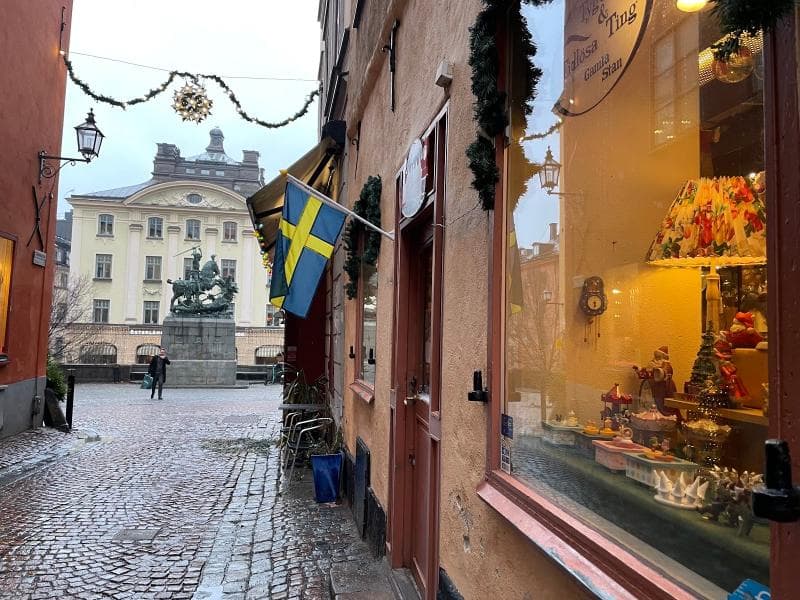
Discover Stortorget, Stockholm's oldest square in Gamla Stan. Explore its vibrant history, colorful buildings, Nobel Prize Museum, and charming cafes in Sweden.
Overview
Stortorget, meaning 'The Grand Square', is the oldest square in Stockholm, located at the very heart of Gamla Stan, the city's charming Old Town. This picturesque square, with its distinctive cobblestones and surrounding colorful 17th and 18th-century merchant houses, has been the focal point of Stockholm's civic and commercial life since the 13th century. It stands as a vibrant testament to the city's rich history, drawing tens of thousands of visitors annually. Today, Stortorget is a lively hub where history meets modern-day charm, offering inviting cafes and the notable Nobel Prize Museum, nestled within the former Stock Exchange building.
History & Cultural Background
Stortorget's origins trace back to the 13th century, forming the historical nucleus around which Stockholm gradually expanded. In its early days, it served as a bustling marketplace, a central gathering point for trade and public life, and even hosted the city's main drinking water wells. German merchants from the Hanseatic League played a significant role in its development, reinforcing Stockholm's ties to Baltic commerce. Over time, the square's architecture evolved, with earlier wooden structures giving way to sturdier stone houses, many of which were later remodeled to reflect Renaissance and Baroque styles.
However, Stortorget's history is not without its darker chapters. Its most infamous event, the Stockholm Bloodbath, unfolded here in November 1520. Following the Danish conquest of Sweden, King Christian II ordered the execution of approximately 82 Swedish nobles and clergy over three days. This brutal act, intended to crush Swedish resistance, ironically ignited the rebellion led by Gustav Vasa, who later became Sweden's king in 1523, paving the way for Swedish independence. Beyond this pivotal moment, the square continued to host regular markets, public punishments, and civic ceremonies, bearing witness to Stockholm's transformation from a small trading post to a capital city.
What Makes It Special
What truly distinguishes Stortorget is its remarkable blend of historical depth and enduring beauty. The square's iconic, brightly painted merchant houses, particularly the red Schantzka Huset from 1650 with its figures of Roman soldiers, offer a visually stunning glimpse into imperial Sweden. Its charm lies not just in its aesthetics, but in the palpable sense of history that permeates every cobblestone.
A significant landmark on the square is Börshuset, the former Stock Exchange building. Since 2001, it has housed the Nobel Prize Museum, dedicated to the Nobel laureates and the history of the prestigious prize. The building itself is also where the Nobel Prize in Literature is announced. Each December, Stortorget transforms into a festive wonderland, hosting Stockholm's traditional Christmas market. This ancient market, re-established in its current form in 1915, fills the square with twinkling lights, handcrafted goods, and the aroma of 'glögg' (mulled wine), drawing visitors from all over the world.
Stories, Fun Facts & Local Details
The story of the Stockholm Bloodbath is perhaps the most chilling tale associated with Stortorget, with accounts suggesting the blood of the executed ran through the gutters of the square. It was a catalyst that fundamentally reshaped Sweden's destiny. A less grim but equally intriguing detail is the presence of a cannonball famously embedded in the wall above the sign of Stortorgskällaren, a restaurant located on the square. While its exact origin is debated, it adds a unique touch to the historical narrative.
Another fascinating piece of history is that Sweden's first pharmacy opened on Stortorget in 1575, highlighting the square's importance beyond just commerce and politics, extending into urban healthcare. The square also features a picturesque fountain well, designed by architect Erik Palmstedt in the 18th century, which often serves as a focal point for visitors. From cozy cafes like Chokladkoppen to the bar Pharmarium, which draws inspiration from the square's apothecary past, Stortorget offers a unique atmosphere where you can sip coffee or enjoy a creative cocktail amidst centuries-old surroundings.
Visitor Perspective
Visiting Stortorget offers a captivating journey into Stockholm's past. For a more peaceful experience and excellent photo opportunities of its colorful facades, consider an early morning visit to avoid the largest crowds. While the square is a year-round attraction, the traditional Christmas market in December provides a particularly magical atmosphere, best experienced after dark.
Stortorget is easily accessible in the heart of Gamla Stan. The nearest metro station is 'Gamla Stan', just a short 5-10 minute walk through the labyrinthine cobblestone streets. Comfortable shoes are highly recommended as you explore the area. Many guided walking tours of Gamla Stan either begin or end here, underscoring its central importance. While on the square, you can visit the Nobel Prize Museum, and nearby attractions include the Royal Palace and Storkyrkan (Stockholm Cathedral). Allow at least 20-40 minutes to soak in the square's ambiance, with extra time if you plan to visit the museum or enjoy a coffee at one of its charming cafes.
Coordinates: 18.07081, 59.325089
View on Google Maps💬 How Travelers Describe This Place
Based on community votes
Photogenic
981Must See
958Unique
565Beautiful
157Interesting
28
Traveler Stories
Discover memorable experiences shared by travelers who have visited this place.
No traveler stories yet.
Be the first traveler to share what made this place memorable.

Tour
By
Spot
Discover amazing places around the world. Your journey starts here.
Explore
© 2026 TourBySpot. All rights reserved.