Stone Monuments
Minsk, Belarus
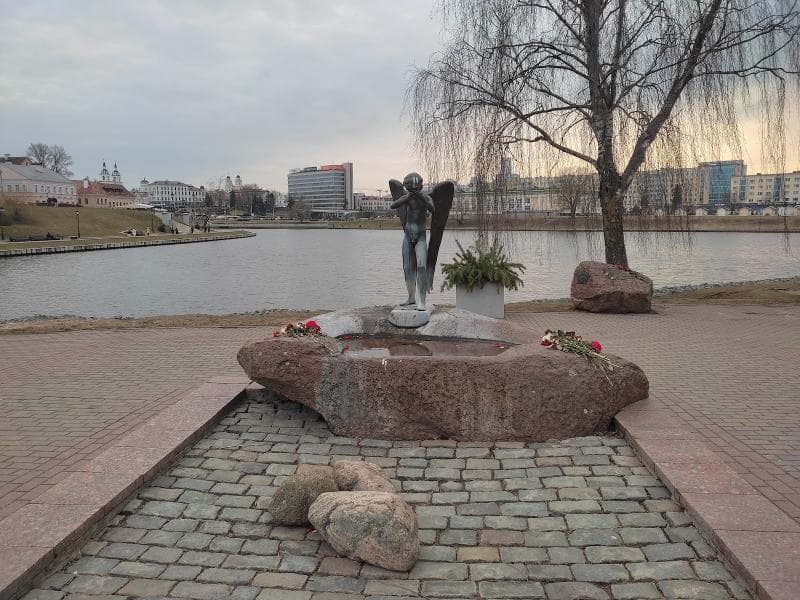
Explore the Island of Tears in Minsk, Belarus, a poignant memorial featuring stone monuments dedicated to soldiers lost in the Soviet-Afghan War and other conflicts.
Overview
The Island of Tears, known locally as Ostrov Slyoz or the Island of Courage and Sorrow, is a profoundly moving memorial complex situated on an artificial island in the Svislach River, nestled beside the historic Trinity Suburb in Minsk, Belarus. This poignant site serves as a national tribute, primarily commemorating the Belarusian soldiers who tragically lost their lives during the Soviet-Afghan War between 1979 and 1989. Beyond this specific conflict, it has evolved into a broader symbol of remembrance for all Belarusian sons and daughters who have fallen in battles throughout history.
The island is easily accessible via a graceful footbridge, which offers a serene approach from the Trinity Hill district. At its heart stands a chapel, surrounded by a collection of powerful stone monuments, including evocative statues of grieving women and a particularly touching sculpture of a weeping angel. These elements combine to create a deeply reflective space, inviting visitors to contemplate the immense human cost of conflict.
History & Cultural Background
The genesis of the Island of Tears memorial dates back to 1988, when construction commenced near the conclusion of the Soviet-Afghan War. While some sources suggest an earlier opening in 1990, the complex was officially inaugurated in August 1996, after several years of careful development funded by both public donations and state resources. Initially conceived as a dedication to the Belarusian soldiers who perished in Afghanistan, with the names of 771 fallen individuals inscribed within the central chapel, the monument quickly transcended its initial scope. It transformed into a universal memorial, honoring all Belarusian service members who sacrificed their lives in conflicts far from their homeland.
The architectural design of the main chapel is deeply rooted in Belarusian heritage, drawing inspiration from the 12th-century Church of Euphrosyne of Polotsk. This connection to a revered historical structure imbues the modern memorial with a sense of timelessness and cultural continuity. The choice of design reflects a desire to link contemporary sorrow with a rich historical and spiritual past, grounding the site in the enduring identity of the Belarusian people.
What Makes It Special
The Island of Tears is distinguished by its profound emotional resonance and symbolic artistry. At its core, the stone monuments, particularly the bronze figures of grieving mothers, wives, and sisters, stand as powerful representations of the universal anguish of loss. Each statue is crafted with expressive detail, capturing the silent suffering and enduring pain experienced by families left behind.
A notable and often-remarked feature is the statue of a small weeping angel positioned near the entrance. According to local legend, this angel perpetually sheds tears, a poignant symbol of its inability to save Belarusian soldiers from death in war. Some accounts even suggest that real water can be seen trickling from its eyes, enhancing the sculpture's sorrowful impact. Inside the chapel, the names of 771 fallen soldiers are meticulously carved into four altars, allowing relatives to light candles and pray. The interior also features biblical motifs painted on the dome and walls, with a ruby set within the cross above the temple, symbolizing the blood shed by the warriors.
Further adding to the memorial's significance is a boulder located at the entrance, bearing a bronze icon of the Mother of God and an inscription that articulates the monument's theme. It expresses the plea of Belarusian mothers against the dominance of evil, honoring their lost sons. Scattered throughout the complex are additional boulders, each inscribed with the names of Afghan provinces where Soviet troops engaged in battles, further personalizing the vast scale of the conflict. A particularly touching detail within the chapel is a time capsule containing soil brought from Afghanistan by the mothers of fallen soldiers, cementing a tangible link to the distant battlefields.
Stories, Fun Facts & Local Details
The Island of Tears is steeped in local narratives and cultural traditions. The legend of the weeping angel, with its perpetual tears, is a compelling story that resonates deeply with visitors, amplifying the site's emotional weight. The memorial also holds a unique place in Belarusian custom: it's a site traditionally visited by newlyweds on their wedding day. This tradition, common to war memorials across Belarus, symbolizes a commitment to peace and a remembrance of past sacrifices even amidst joyous new beginnings.
The inscription on the initial boulder at the complex's entrance translates powerfully: 'This memorial is built in the memory of the sons who were lost in Afghanistan, on behalf of the Belarusian mothers who do not want the evil to dominate on their or any other land.' This declaration encapsulates the profound anti-war sentiment embedded within the memorial. Furthermore, each year on February 15th, the anniversary of the Soviet withdrawal from Afghanistan, veterans and relatives gather here to honor the fallen, transforming the island into a living testament to memory and community. Officially known by its more formal title, the 'Island of Courage and Sorrow,' its popular name, 'Island of Tears,' perfectly captures the raw emotion it evokes.
Visitor Perspective
Visiting the Island of Tears offers a profoundly tranquil and reflective experience. The peaceful setting on the Svislach River, combined with the solemn artistry of the memorial, encourages quiet contemplation. Well-maintained paths invite visitors to walk around the artificial island, allowing for various perspectives on the monuments and the serene surrounding parkland.
The memorial is open to the public year-round, ensuring accessibility in any season, though spring and autumn often provide the most comfortable weather for an outdoor visit. While accessible at all hours, visiting during daylight is recommended for optimal visibility and to fully appreciate the intricate details of the sculptures and the chapel. There is no entry fee, making it an accessible historical and cultural site for all. Many visitors choose to leave flowers or light candles as a personal gesture of remembrance and respect. The Island of Tears is particularly recommended for history enthusiasts, those seeking quiet reflection, and photographers looking to capture poignant scenes. Its proximity to Minsk's charming Trinity Hill offers an opportunity to combine a visit to this solemn site with exploration of the city's vibrant historic district.
Coordinates: 27.5545, 53.9097
View on Google Maps💬 How Travelers Describe This Place
Based on community votes
Must See
961Interesting
897Beautiful
695Unique
605Photogenic
498
Traveler Stories
Discover memorable experiences shared by travelers who have visited this place.
No traveler stories yet.
Be the first traveler to share what made this place memorable.

Tour
By
Spot
Discover amazing places around the world. Your journey starts here.
Explore
© 2026 TourBySpot. All rights reserved.