Stone Carvings
Vientiane, Laos
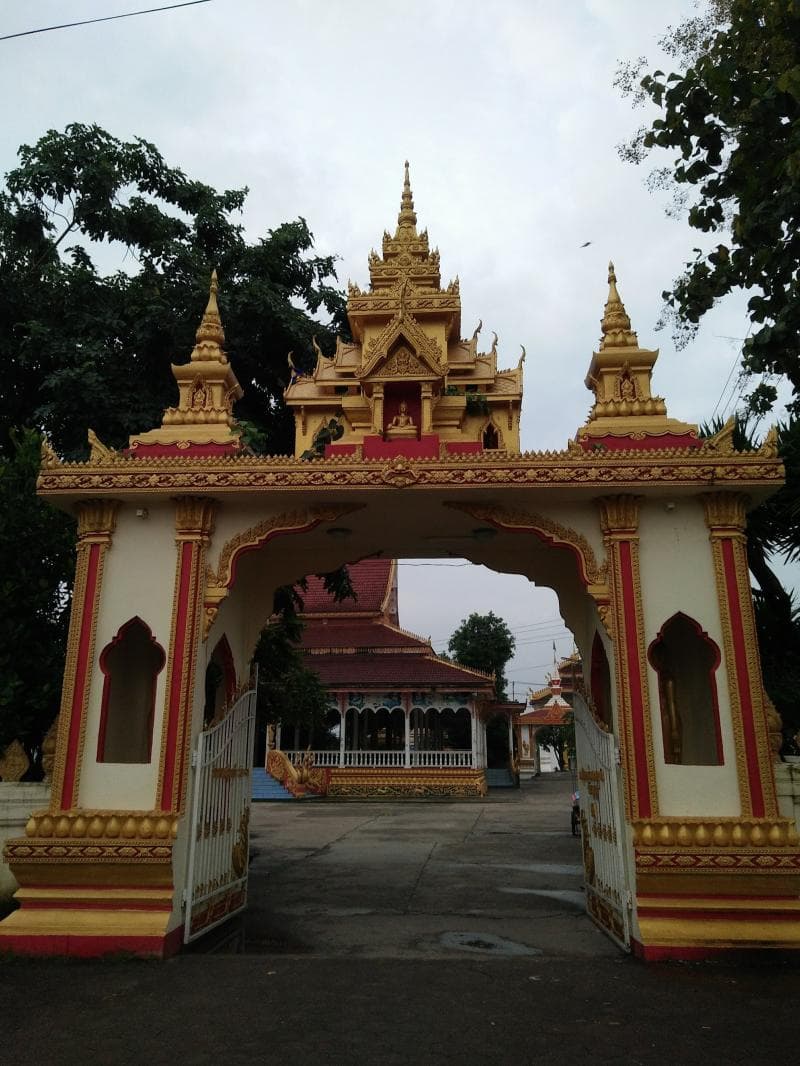
Discover the ancient stone carvings within Wat Ho Phra Keo in Vientiane, Laos. Explore rich history, cultural context, and artistic details.
Overview
Within the serene grounds of Wat Ho Phra Keo, a former royal temple turned museum in Vientiane, Laos, lies a captivating collection of stone carvings that whisper tales of ancient times and profound spirituality. This revered site, also known as Haw Phra Kaew, stands as a testament to Lao art and history, offering visitors a unique window into the nation's rich cultural tapestry. While the temple's initial purpose was to house the celebrated Emerald Buddha, its enduring legacy is now found in the diverse artifacts it preserves, with stone carvings forming a particularly poignant part of this heritage.
These intricately crafted stone pieces, ranging from ancient tablets to detailed sculptures, are not merely decorative elements; they are historical documents, artistic expressions, and spiritual guides. They invite a curious traveler to slow down, observe closely, and connect with the stories etched into their surfaces over centuries. The stone carvings at Wat Ho Phra Keo encapsulate artistic traditions that have shaped Lao identity, making them a crucial highlight for anyone exploring Vientiane's cultural landscape.
History & Cultural Background
Wat Ho Phra Keo's history is deeply intertwined with the fortunes of the Lan Xang Kingdom and the spiritual heart of Laos. Originally constructed in 1565 by King Setthathirath, it served as the royal chapel and was specifically built to enshrine the Emerald Buddha, which the king had brought from Chiang Mai. For over two centuries, this sacred jade image resided here, making Wat Ho Phra Keo a pivotal religious site.
Tragically, the temple suffered destruction during Siamese invasions, notably in 1779 when the Emerald Buddha was taken to Thailand, and again in 1828. The current structure, which showcases a blend of traditional Lao design, was meticulously rebuilt between 1936 and 1942 during the French colonial administration. Since the 1970s, it has functioned as a museum, no longer an active place of worship, but rather a guardian of invaluable religious and cultural artifacts. This transformation ensures the preservation of items like its significant stone carvings, which provide insights into various periods of Lao history and art, including influences from the Khmer Empire.
What Makes It Special
The stone carvings at Wat Ho Phra Keo are exceptional for their variety, artistic merit, and historical narrative. Visitors will discover a remarkable array of these pieces, including ancient stone tablets, some believed to date back to the 6th to 9th centuries, displayed on the exterior terrace and within the museum's interior. These tablets often bear scriptures or intricate designs, offering glimpses into early Buddhist teachings and the rich epigraphic traditions of the region. The collection also features Khmer-influenced sculptures, reflecting the historical and cultural exchanges that shaped Southeast Asian art.
Beyond two-dimensional carvings, the museum houses various stone sculptures, including numerous Buddha images that demonstrate the evolution of Lao Buddhist art. Some unique exhibits have even included carvings made on petrified tree trunks and ancient stone pots, adding a fascinating dimension to the collection. The very architecture of the temple itself, particularly the intricate naga (mythical serpent) balustrades guarding the stairways, features impressive stone craftsmanship, symbolizing protection and spiritual guardianship.
Stories, Fun Facts & Local Details
The stone carvings at Wat Ho Phra Keo are silent storytellers, each etch and form holding centuries of local lore and religious significance. For instance, the naga carvings, often depicted with multiple heads, are revered figures in Buddhist and Hindu mythology, believed to protect sacred sites and bring prosperity. Their presence on the temple's balustrades is a powerful symbol of their role as guardians of this treasured space.
Among the artifacts, the stone tablets, some displaying ancient Pali or Sanskrit scripts, provide historical records and religious texts that were painstakingly preserved through generations. Imagine the dedication of artisans who carved these enduring messages, ensuring knowledge and spirituality would transcend time. The sheer age of some stone Buddha images, dating back over a millennium, offers a tangible link to the earliest forms of Buddhism in the region, connecting contemporary visitors to the profound spiritual journey of ancient peoples.
Visitor Perspective
For a traveler exploring Wat Ho Phra Keo, the stone carvings offer an enriching and contemplative experience. As you wander through the well-maintained gardens and approach the museum, these pieces immediately draw your eye, inviting a closer inspection. They provide a tactile connection to the past, allowing one to appreciate the skill and devotion of ancient Lao artisans.
Observing the intricate details of a Khmer-influenced sculpture or deciphering the faded inscriptions on a stone tablet can evoke a powerful sense of history and spiritual depth. The stone exhibits, alongside the bronze Buddha statues and other artifacts, collectively paint a vivid picture of Laos's religious ideology and artistic creativity. It's an opportunity to absorb the tranquility of the setting while gaining a deeper understanding of the cultural pride and spiritual heritage that define Vientiane and Laos.
Coordinates: 102.61167, 17.96139
View on Google Maps💬 How Travelers Describe This Place
Based on community votes
Beautiful
948Unique
913Interesting
337Must See
196Photogenic
94
Traveler Stories
Discover memorable experiences shared by travelers who have visited this place.
No traveler stories yet.
Be the first traveler to share what made this place memorable.

Tour
By
Spot
Discover amazing places around the world. Your journey starts here.
Explore
© 2026 TourBySpot. All rights reserved.