Statues
Geneva, Switzerland
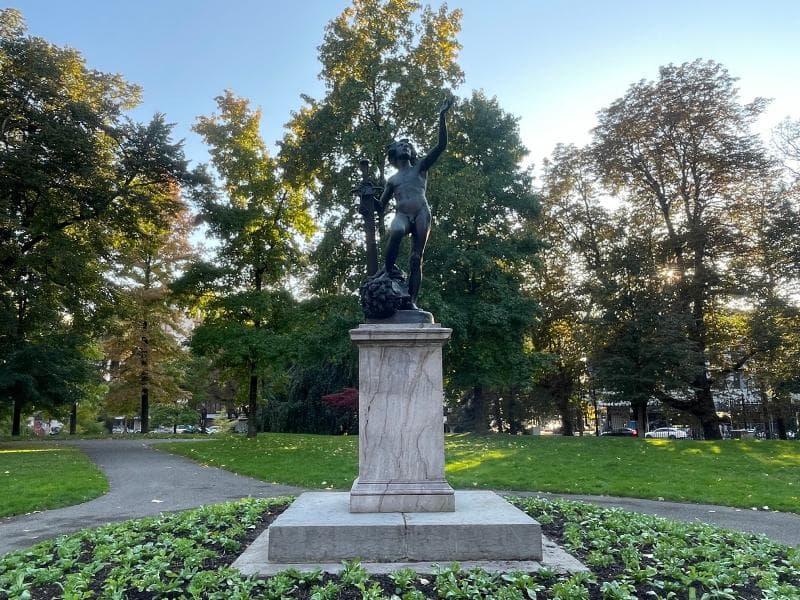
Explore the majestic Reformation Wall in Parc des Bastions, Geneva, Switzerland. Discover statues of key reformers and the city's rich history.
Overview
Nestled within the serene Parc des Bastions in Geneva, Switzerland, lies a monumental tribute to a pivotal period in European history: the Reformation Wall. Also known as the Mur des Réformateurs or the Reformation Monument, this striking ensemble of statues, bas-reliefs, and inscriptions commemorates the key figures and events of the Protestant Reformation. Built between 1909 and 1917, the wall serves as a powerful reminder of Geneva's significant role as a 'Protestant Rome' during the 16th century. Stretching an impressive 100 meters, it features towering figures of central reformers, providing a contemplative space in the heart of the city.
The monument is strategically integrated into the historic remains of Geneva's old city walls, symbolizing the city's enduring connection to the reformist movement. Visitors to Parc des Bastions will find the Reformation Wall easily accessible, offering a profound journey through religious and intellectual history amidst the park's tranquil green spaces, grand trees, and other attractions like giant outdoor chess boards.
History & Cultural Background
The origins of the Reformation Wall are deeply rooted in Geneva's historical identity as a central hub for Calvinism in the 16th century. John Calvin, a principal figure of the Protestant Reformation, founded the University of Geneva in 1559, solidifying the city's reputation as a bastion of Protestant thought. The monument itself was conceived to mark two significant anniversaries: the 400th anniversary of Calvin's birth in 1909 and the 350th anniversary of the university's establishment.
An international architectural competition was launched in 1909 to transform a section of Parc des Bastions into this grand memorial. Four Swiss architects — Charles Dubois, Alphonse Laverrière, Eugène Monod, and Jean Taillens — won the competition, with the sculptures later created by renowned French artists Paul Landowski and Henri Bouchard. Landowski is notably also credited with sculpting the iconic Christ the Redeemer statue in Rio de Janeiro, adding another layer of artistic significance to the Geneva monument. The monument's construction between 1909 and 1917 solidified its place not just as an artistic endeavor but as a profound historical statement, encapsulating centuries of Genevan and European history.
What Makes It Special
The Reformation Wall is distinguished by its imposing scale and intricate details, making it a truly unique monument. At its core, four monumental statues stand 4.5 to 5 meters (approximately 15 feet) tall, representing the principal Genevan reformers: William Farel, John Calvin, Theodore Beza, and John Knox. These figures, each holding a Bible, dominate the central axis of the 100-meter-long, 9-meter-high wall.
Flanking these central figures are smaller statues, each approximately 3 meters tall, depicting other significant Protestant leaders from across Europe, such as Gaspard de Coligny, William the Silent, Frederick William of Brandenburg, Oliver Cromwell, Roger Williams, and Stephen Bocskay. The monument is also adorned with numerous bas-reliefs illustrating pivotal moments of the Reformation, including the Pilgrims praying on the Mayflower and the presentation of the Bill of Rights to King William of Orange.
Engraved along the length of the wall is the powerful Latin motto, 'Post Tenebras Lux' — 'After Darkness, Light' — a phrase that is not only central to the Reformation but also serves as the official motto of Geneva. A Christogram, the monogram for Jesus Christ (ΙΗΣ), is also subtly placed on the pedestal beneath the central statues, further emphasizing the monument's spiritual significance.
Stories, Fun Facts & Local Details
One of the intriguing ironies surrounding the Reformation Wall is that many of the reformers it celebrates, particularly John Calvin, held views that were not entirely favorable toward statues or elaborate religious imagery during their lifetimes. Their austere theological perspectives often led to the removal of such figures from places of worship. Yet, this monument stands today as a grand sculptural homage to their legacy, a testament to how history reinterprets and commemorates its figures.
The Wall's location within the Parc des Bastions, adjacent to the University of Geneva, is symbolic. John Calvin's role in founding the university highlights the deep connection between the Reformation and intellectual pursuits in Geneva. The city's embrace of a 'radical new theology' transformed it into one of Europe's intellectual capitals, attracting scholars and refugees seeking religious freedom. Beyond its historical gravity, Parc des Bastions offers a lighter, engaging experience with its famous giant chess and checkers boards, where locals and visitors alike can often be found engrossed in strategic games. This blend of profound history and casual recreation makes the area uniquely Genevan.
Visitor Perspective
Visiting the Statues of Parc des Bastions, particularly the Reformation Wall, is a highly enriching experience for any traveler to Geneva. As a free and outdoor attraction, it is accessible year-round, offering an open invitation to delve into a significant chapter of Swiss and European history. The sheer scale of the monument commands attention, inviting contemplation of the profound impact these individuals had on the religious and political landscape.
The Wall is considered one of Geneva's most visited free attractions and is often the starting point for a broader exploration of the city's Protestant history circuit, which can include Saint-Pierre Cathedral and the International Museum of the Reformation. It provides a quiet, reflective space to absorb the stories of courage, conviction, and intellectual transformation. Whether you are a history enthusiast, a casual tourist, or simply seeking a peaceful stroll, the statues offer a compelling glimpse into Geneva's identity as a 'fortress of Reformation ideals,' making it an unmissable destination for curious travelers.
Coordinates: 6.145951, 46.200458
View on Google Maps💬 How Travelers Describe This Place
Based on community votes
Must See
995Unique
839Beautiful
388Interesting
289Photogenic
141
Traveler Stories
Discover memorable experiences shared by travelers who have visited this place.
No traveler stories yet.
Be the first traveler to share what made this place memorable.

Tour
By
Spot
Discover amazing places around the world. Your journey starts here.
Explore
© 2026 TourBySpot. All rights reserved.