Statues
Marseille, France
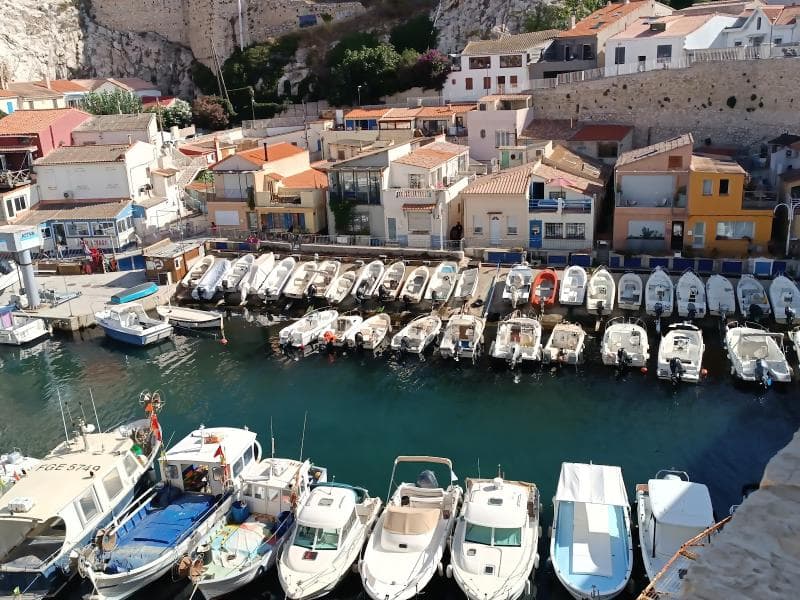
Discover the profound statues of La Corniche in Marseille, France. Explore the war memorial and the iconic David replica along this scenic coastal road.
Overview
La Corniche Kennedy in Marseille, France, offers more than just breathtaking coastal views; it is also home to significant sculptural works that enrich the city's historical and cultural tapestry. These statues, far from being mere decorative elements, serve as poignant reminders of Marseille's past, its enduring spirit, and its connection to wider global events. As you traverse this iconic seaside promenade, these monuments invite a pause for reflection, offering a deeper understanding of the vibrant city around you.
Among the most prominent are the dignified 'Monument aux Morts de l'Armée d'Orient et des Terres Lointaines' and the locally cherished 'Statue of David'. Each contributes a unique narrative to the Corniche's landscape, blending historical gravitas with artistic representation, and providing compelling focal points for any curious traveler. They stand as silent sentinels, watching over the Mediterranean and welcoming visitors to explore their stories.
History & Cultural Background
The Corniche itself, officially named Corniche du Président-John-Fitzgerald-Kennedy after the 1963 assassination of the U.S. President, evolved from a simple path established between 1848 and 1863 into the grand coastal road it is today. Its expansion in the mid-20th century transformed it into a celebrated scenic route.
The 'Monument aux Morts de l'Armée d'Orient et des Terres Lointaines', also known as the 'Porte d'Orient' (Gate of the Orient), stands as a powerful World War I memorial. Inaugurated on April 24, 1927, this monument was designed by architect Gaston Castel and features sculptures by Antoine Sartorio. It commemorates soldiers from the French colonies who died for their country, particularly those who served in the Army of the Orient and distant lands. Its creation was the result of a national competition in 1924 to honor these fallen heroes.
Further along, though technically near the Prado beaches at the end of the Corniche, stands the 'Statue of David'. This impressive replica of Michelangelo's renowned masterpiece was a gift to the city of Marseille from the generous sculptor and patron Jules Cantini in 1903. While initially intended for the Museum of Fine Arts at the Palais Longchamp, it was ultimately placed in its current public location in 1949 or 1951, becoming an immediate and recognizable city landmark.
What Makes It Special
The 'Monument aux Morts de l'Armée d'Orient et des Terres Lointaines' is distinguished by its unique architectural and symbolic design. Conceived as a 'portico in the open sky', its massive white granite arch frames a bronze statue, symbolizing Victory, with outstretched arms towards the sky. The arch's design incorporates a crescent and a star, and its intrados are decorated with stylized palm leaves, subtly referencing the Eastern lands it commemorates. Flanking the arch are full-length figures representing the land army and air combatants, while two large winged female figures embody heroism. This thoughtful integration of symbols makes it a profound 'gateway to the East' and a testament to Marseille's historic role as a Mediterranean port city.
The 'Statue of David', while a replica, holds a special place in the hearts of Marseillais. Towering at 5.17 meters, it is a magnificent representation of Michelangelo's work, embodying classical ideals of strength, courage, and beauty. Its placement near the lively Prado beaches and its role as a casual meeting spot imbue it with a distinctly local character. It represents a shared landmark, a symbol of summer and seaside leisure, and a beloved feature of the city's modern identity.
Stories, Fun Facts & Local Details
The 'Monument aux Morts' carries a deeply moving narrative, honoring soldiers from diverse backgrounds who fought for France, a reflection of Marseille's long history as a multicultural port city. The architectural choice to place it overlooking the Mediterranean emphasizes Marseille's historical connection to the Orient, acting as a symbolic farewell and welcome for those who traveled afar. The monument has been recognized for its historical significance, having been classified as a historical monument since 2011 and undergoing restoration in 2020.
The 'Statue of David' has become so ingrained in Marseille's urban fabric that locals often refer to it simply as 'Le David'. It serves as an unmistakable rallying point and a beacon for those heading to the beaches or meeting friends. It is a common phrase in Marseille to say one will meet 'au David'. Its presence signifies the unofficial start of the city's seaside recreational areas, evoking a sense of carefree joy and community.
A fun fact about La Corniche itself, connecting these and other points of interest, is that it features what is often referred to as the 'longest bench in the world'. While its continuity is interrupted in places, this extended seating area provides countless spots for locals and visitors alike to sit, relax, and contemplate the magnificent sea views, especially during sunset.
Visitor Perspective
Exploring the statues of La Corniche offers a rich and varied experience for visitors. A leisurely stroll or drive along the Corniche Kennedy allows for easy access to these impressive works. The 'Monument aux Morts' provides a solemn and educational stop, inviting contemplation of history and sacrifice against a stunning coastal backdrop. Its position offers panoramic views of the Frioul Islands, adding to its evocative atmosphere.
Further on, encountering 'Le David' feels like arriving at a familiar, welcoming landmark. It's a perfect spot for memorable photographs and serves as a natural meeting point before enjoying the nearby beaches and bustling activity of the Prado area. Both statues contribute significantly to the character of La Corniche, transforming a scenic route into an outdoor gallery and a historical pathway. Whether seeking a moment of quiet reflection or a vibrant cultural touchstone, the statues along La Corniche offer meaningful encounters for every traveler.
Coordinates: 5.35031, 43.28601
View on Google Maps💬 How Travelers Describe This Place
Based on community votes
Beautiful
836Unique
797Photogenic
396Interesting
286Must See
255
Traveler Stories
Discover memorable experiences shared by travelers who have visited this place.
No traveler stories yet.
Be the first traveler to share what made this place memorable.

Tour
By
Spot
Discover amazing places around the world. Your journey starts here.
Explore
© 2026 TourBySpot. All rights reserved.