Stalactite and Stalagmite Chambers
Cancún, Mexico
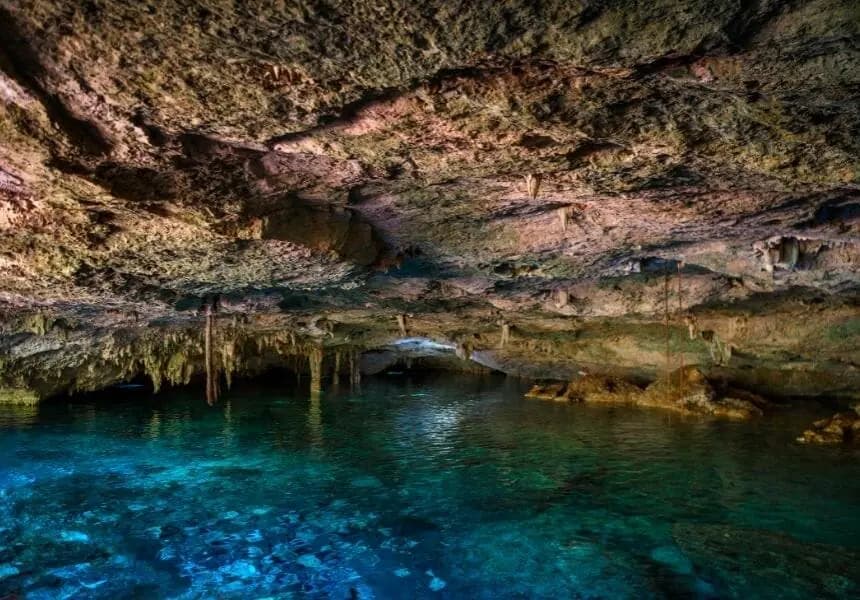
Explore the breathtaking Stalactite and Stalagmite Chambers of Cenote Dos Ojos in the Riviera Maya, Mexico. Discover ancient formations and crystal-clear waters.
Overview
Deep within the verdant embrace of the Yucatán Peninsula, nestled in the Riviera Maya near Tulum, Mexico, lies Cenote Dos Ojos, a marvel of natural engineering. Its name, meaning 'Two Eyes' in Spanish, refers to two striking, interconnected sinkholes that gaze into the Earth's depths. Within this captivating natural wonder, the Stalactite and Stalagmite Chambers offer a breathtaking journey into a subterranean world sculpted by millennia. These chambers, renowned for their crystal-clear freshwater and intricate geological formations, are a highlight for snorkelers and divers alike, providing a unique glimpse into the Earth's hidden artistry.
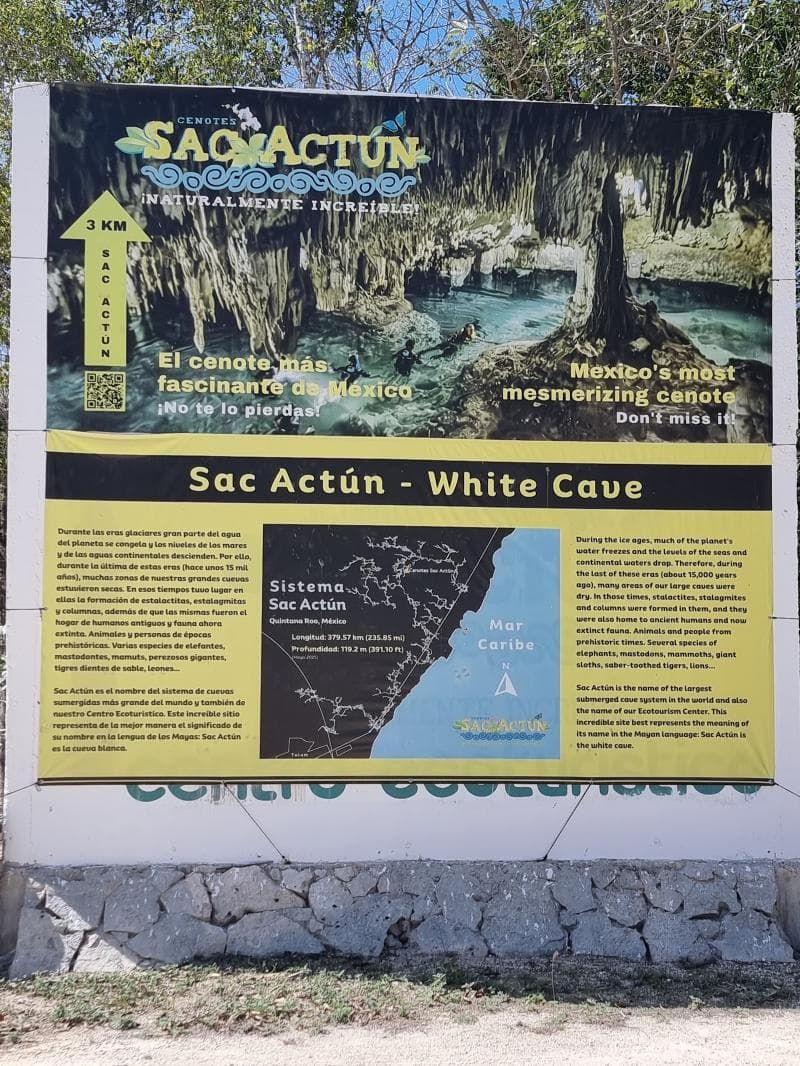
Cenote Dos Ojos is not merely a pair of water-filled caverns; it is an integral part of the vast Sistema Sac Actun, recognized as one of the world's longest underwater cave systems. The site is celebrated for its extraordinary underwater visibility, often extending over 100 meters, allowing visitors to fully appreciate the dramatic landscape of submerged rock formations. As you venture deeper, the stalactite and stalagmite chambers reveal a spectacular display of nature's slow and patient work, where mineral deposits have formed an otherworldly, cathedral-like environment beneath the jungle floor.
History & Cultural Background
The history of cenotes, including Dos Ojos, spans millions of years, tracing back to the geological formation of the Yucatán Peninsula's porous limestone bedrock. These natural sinkholes are formed by the slow dissolution of limestone by slightly acidic rainwater over tens of thousands of years, leading to the collapse of underground cavern roofs and exposing the freshwater below.
For the ancient Maya civilization, cenotes were far more than just essential water sources in a region lacking surface rivers; they were sacred. Considered mystical gateways to Xibalba, the underworld, cenotes played a pivotal role in Mayan cosmology and religious practices. Rituals and offerings, sometimes including valuable artifacts and even human remains, were conducted in these hallowed waters to honor gods like Chaac, the rain deity. The discovery of prehistoric human remains and ancient animal species within the extensive underwater systems connected to Dos Ojos, such as those found in the Hoyo Negro pit, further underscores the profound archaeological and scientific importance of these geological marvels, offering insights into the region's ancient past and climate history.
What Makes It Special
The Stalactite and Stalagmite Chambers of Cenote Dos Ojos stand out for their unparalleled beauty and the sheer scale of their formations. The clear waters offer a surreal environment where these geological wonders, formed drop by drop over millennia, create an intricate subaquatic sculpture garden.
A distinguishing feature of these chambers within Dos Ojos is the vibrant variation in color seen in the stalactites and stalagmites, showcasing shades of white, ocher, orange, and black, a characteristic not commonly found in other cenotes. This rich palette, combined with the exceptional water clarity, provides a visually stunning experience. For certified divers, two primary routes, the 'Barbie Line' and the 'Bat Cave Line,' allow for close-up exploration. The 'Barbie Line' is celebrated for its highly decorated passages, filled with massive stalactites, stalagmites, and columns, often bathed in natural light that filters through the water, creating a mesmerizing blue glow. The 'Bat Cave Line' offers a distinct, darker experience, culminating in an air dome where explorers can surface among a colony of bats, adding a unique and memorable dimension to the visit.
Stories, Fun Facts & Local Details
The evocative name 'Dos Ojos' or 'Two Eyes' perfectly captures the essence of this cenote, referring to its two distinct, neighboring sinkholes that appear like watchful eyes on the landscape, connected by an extensive underwater passage.
Among the many intriguing details, the 'Barbie Line' dive route holds a whimsical secret: it is named because a Barbie doll is literally attached to the guide line, a curious marker for divers navigating the cavern. The 'Bat Cave' is another fascinating area, not only for its impressive rock formations but for the lively colony of bats that reside in its air-filled dome, their chirps echoing in the subterranean darkness, offering an acoustic wonder alongside the visual splendor. The water temperature in Cenote Dos Ojos remains a consistent and pleasant 77°F (25°C) year-round, making it an inviting destination regardless of the season. This stable environment is crucial for the delicate ecosystem within the cenote. Visitors are strongly advised not to touch the stalactites or stalagmites, as the oils from human skin can halt their growth, which takes thousands of years. Furthermore, the use of biodegradable sunscreen or no sunscreen at all is a vital local recommendation to protect the pristine water quality and the unique biodiversity within the cenote system.
Visitor Perspective
Visiting the Stalactite and Stalagmite Chambers within Cenote Dos Ojos offers an unforgettable adventure for travelers seeking both wonder and tranquility. Whether you choose to snorkel through the more illuminated areas or embark on a guided dive into the deeper caverns, the experience is consistently described as otherworldly. The sensation of floating through incredibly clear water, surrounded by ancient geological formations that appear to defy gravity, is truly profound. Many visitors recommend opting for a guided tour, particularly to explore the deeper sections or the Bat Cave, as local guides provide invaluable insights into the cenote's geology and history, and ensure safety within the complex underwater system.
Arriving early in the day is a common piece of advice to avoid the larger crowds, allowing for a more serene and intimate encounter with this natural marvel. The facilities generally include restrooms, changing rooms, and equipment rentals such as life jackets and snorkeling gear. The experience of witnessing the interplay of light and shadow on the formations, the silence broken only by the gentle sound of water, and the sheer scale of the underground cathedral creates a lasting impression. It is a journey that connects you to the ancient past, the powerful forces of nature, and the serene beauty hidden beneath the Earth's surface.
Coordinates: -87.39194, 20.32472
View on Google Maps💬 How Travelers Describe This Place
Based on community votes
Interesting
618Unique
449Must See
335Photogenic
308Beautiful
22
Traveler Stories
Discover memorable experiences shared by travelers who have visited this place.
No traveler stories yet.
Be the first traveler to share what made this place memorable.

Tour
By
Spot
Discover amazing places around the world. Your journey starts here.
Explore
© 2026 TourBySpot. All rights reserved.