Stables
Toronto, Canada
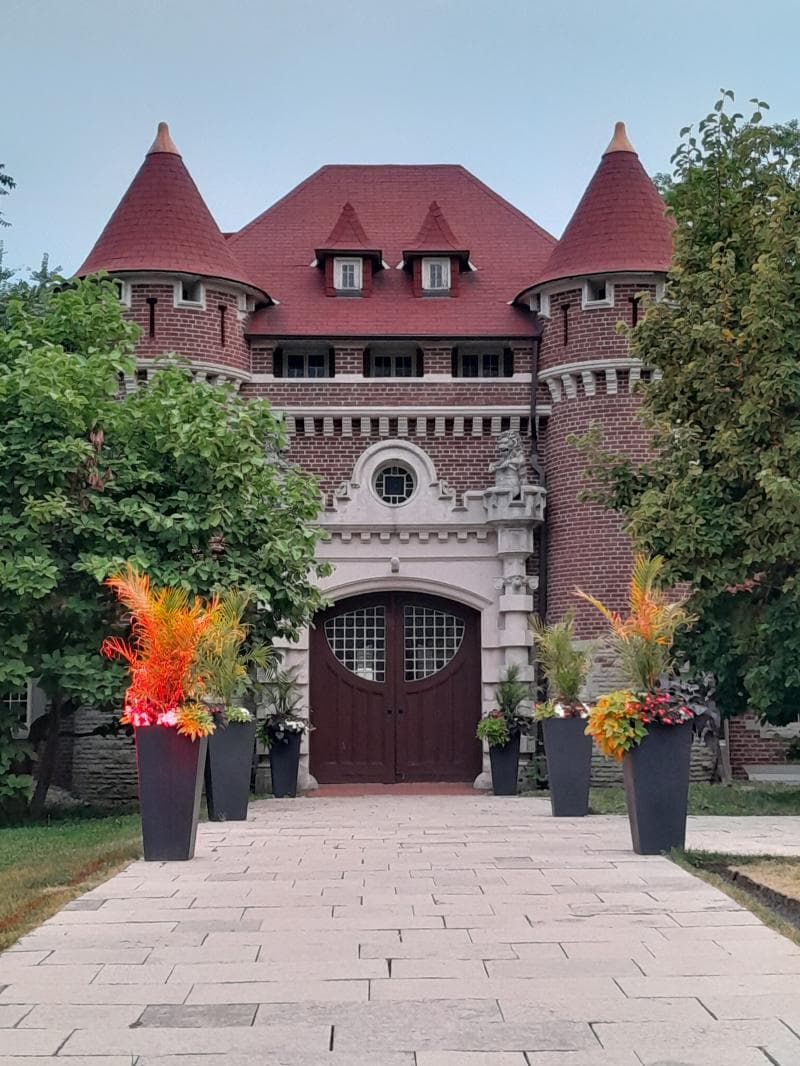
Explore the historic Stables at Casa Loma in Toronto, Canada, revealing Edwardian luxury and a secret WWII sonar assembly site.
Overview
Nestled within the grand estate of Casa Loma in Toronto, Canada, the Stables offer a captivating glimpse into a bygone era of opulence and intrigue. This remarkable sub-spot, an integral part of Sir Henry Pellatt's architectural vision, stands as a testament to Edwardian luxury and plays a fascinating role in Canadian history. Connected to the main castle by an impressive 800-foot underground tunnel, the Stables were among the very first structures built on the Casa Loma estate, predating the mansion itself. Designed not merely for utility but with an aesthetic grandeur mirroring the main residence, they housed Sir Henry's prized horses and carriages, reflecting the lavish lifestyle of one of Canada's wealthiest men at the turn of the 20th century. Today, they welcome curious travelers to explore their unique features and uncover the stories held within their walls.
History & Cultural Background
The construction of Casa Loma's Stables began in 1905, designed by the prominent Toronto architect E.J. Lennox, predating the main castle's construction which started in 1911. Sir Henry Pellatt, a financier, industrialist, and military officer, envisioned an estate that would echo the grand European houses he admired. The Stables were built to accommodate his magnificent collection of horses, including Thoroughbreds, Hackneys, Clydesdales, and Percherons, some of whom were renowned champions across North America.
However, the Stables' history took a dramatic turn during World War II. From 1941 until the end of the war, this seemingly innocent structure served as a top-secret assembly plant for ASDIC (Anti-Submarine Detection Investigation Committee), an early form of sonar crucial for detecting German U-boats in the Atlantic. Disguised by a sign that read 'Construction in progress-sorry for the inconvenience,' the Stables played a vital, clandestine role in the Allied war effort, a secret known only to a select few members of the Kiwanis Club who managed the property at the time. After the war, the Stables, alongside Casa Loma, continued its transition into a public heritage attraction, first opened by the Kiwanis Club of West Toronto in 1937.
What Makes It Special
The architecture of the Stables is a sight to behold, featuring a distinctive Mannerist-inspired design with rich red brick construction and elegant cast stone trim. The complex is arranged around a central courtyard, with two elaborate entrance blocks forming its L-shaped layout. Inside, the lavish attention to detail is immediately apparent. The ground level boasts a carriage room with wooden trusses, walls adorned in the regimental colors of the Queen's Own Rifles (a regiment Sir Henry Pellatt commanded), and magnificent Spanish tile flooring. The horse stalls, crafted from Spanish mahogany, are particularly striking, designed with a zig-zag pattern in the Spanish tiles to prevent the horses' hooves from slipping.
Beyond its equine luxury, the Stables complex was remarkably self-sufficient. Upper floors housed small apartments for stable hands and groomsmen, while beneath the stables, specialized rooms were dedicated to propagating mushrooms, asparagus, and rhubarb, ensuring fresh produce for the estate. This blend of practical functionality and grand design, coupled with its hidden wartime significance, makes the Casa Loma Stables a truly unique historical landmark.
Stories, Fun Facts & Local Details
One of the most endearing details found within the Stables are the names of Sir Henry Pellatt's beloved horses, still visible in gold leaf above their mahogany stalls. These include 'Casa Loma Belle,' 'Prince Highgate' (or 'Prince'), 'Matchless' (of Londesborough), 'Lord Kitchener,' 'The Widow,' and 'Indian Chief'. These names serve as a charming reminder of the cherished animals that once resided in these luxurious quarters. Visitors can also spot a unique stone squirrel, believed to represent industry, and the Queen's Own Rifles Regimental insignia adorning the Stables tower. The secret WWII operation, where British scientists and Canadian engineers worked discreetly to assemble sonar devices, adds a layer of captivating intrigue, transforming a symbol of Gilded Age extravagance into a silent sentinel of wartime innovation. The 800-foot tunnel connecting the Stables to Casa Loma is an engineering marvel, allowing staff and supplies to move between buildings efficiently and discreetly.
Visitor Perspective
For visitors to Casa Loma, the Stables offer a captivating extension to the main castle experience. Walking through the underground tunnel adds an element of adventure and historical connection between the two parts of the estate. Today, the Carriage Room often showcases a collection of vintage vehicles, while the meticulously preserved horse stalls evoke a strong sense of the past. Exploring the Stables provides an invaluable insight into the logistical operations and the daily lives of those who maintained a grand estate like Casa Loma in the early 20th century. It's an opportunity to appreciate not just the grandeur, but also the practicalities and the hidden histories that shaped this iconic Toronto landmark, offering a comprehensive picture of the Pellatt era and beyond.
Coordinates: -79.4093, 43.6781
View on Google Maps💬 How Travelers Describe This Place
Based on community votes
Must See
1.0kPhotogenic
804Interesting
563Beautiful
100Unique
63
Traveler Stories
Discover memorable experiences shared by travelers who have visited this place.
No traveler stories yet.
Be the first traveler to share what made this place memorable.

Tour
By
Spot
Discover amazing places around the world. Your journey starts here.
Explore
© 2026 TourBySpot. All rights reserved.