Space Energy Section
Astana, Kazakhstan
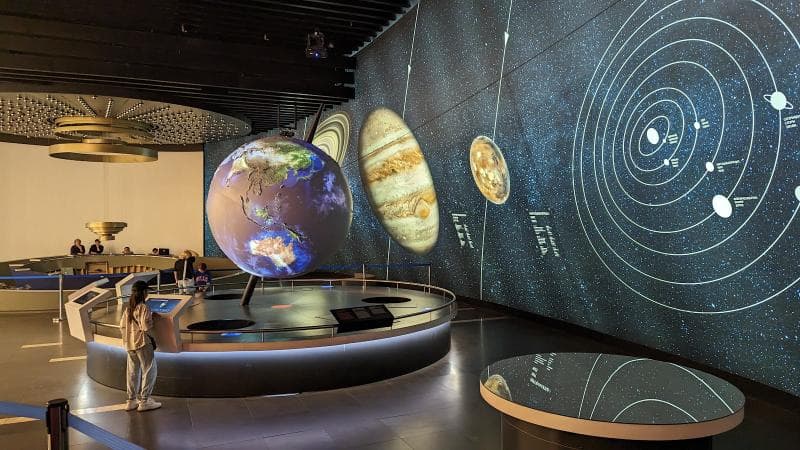
Discover the former Space Energy Section within Nur Alem Museum of Future Energy in Astana, Kazakhstan, and its focus on cosmic power.
Overview
Nestled within the iconic sphere of Nur Alem in Astana, Kazakhstan, the Space Energy Section was a captivating highlight of the former Museum of Future Energy. This striking spherical building, standing 100 meters tall with an 80-meter diameter, served as the central pavilion for EXPO-2017, themed 'Future Energy', and later transitioned into a popular museum dedicated to exploring various energy sources. The Space Energy Section, located on the seventh floor, was specifically designed to immerse visitors in the fascinating realm of cosmic energy and the potential for harnessing it. While it once offered an interactive journey through space exploration and the mysteries of the universe, it is important for prospective travelers to know that as of December 2024, the Museum of Future Energy has concluded its operations and is undergoing transformation into the international Alem.AI Centre for Artificial Intelligence. Therefore, the Space Energy Section, as a part of this museum, is no longer accessible to visitors in its previous format.
History & Cultural Background
The Nur Alem building itself is a legacy of EXPO-2017, an international exhibition that brought together nations to discuss 'Future Energy'. Following the expo, the spherical structure became the first technological energy museum in Kazakhstan, demonstrating innovative approaches to energy generation. Kazakhstan holds a significant, yet often understated, place in the history of space exploration. It is home to the Baikonur Cosmodrome, the world's first and largest space launch facility, from which humanity took its initial steps into space. Historic launches like Sputnik 1, the first artificial satellite, and Vostok 1, carrying Yuri Gagarin as the first human in outer space, both originated from Baikonur. This profound national connection to space exploration naturally provided a rich backdrop for the Space Energy Section within the museum, bridging Kazakhstan's historical contributions with future possibilities for cosmic energy.
What Makes It Special
The Space Energy Section on the seventh floor was dedicated entirely to the 'Energy of the Cosmos', making space exploration its primary focus. It offered a unique opportunity to delve into scientific research and long-term concepts for producing energy from space. A standout feature mentioned was the 'Walk on the Moon' attraction, which likely provided an immersive and memorable experience for visitors, simulating the sensation of traversing the lunar surface. The exhibits were designed to be interactive, allowing for hands-on engagement and fostering a deeper understanding of the complex topic of celestial power sources. By combining cutting-edge display technology with the aspirational theme of harnessing energy from the universe, the section sought to inspire wonder and contemplation about humanity's future in space and on Earth.
Stories, Fun Facts & Local Details
The presence of a Space Energy Section in Astana's premier energy museum was a testament to Kazakhstan's deep historical ties to space. Beyond being the site of groundbreaking launches, Kazakhstan has also produced its own cosmonauts, such as Toktar Aubakirov and Talgat Musabayev, who have journeyed into space. The Baikonur Cosmodrome, though currently leased to Russia, remains a symbol of Kazakh scientific prowess and its contribution to global space endeavors. The museum's interactive nature often made science accessible and engaging, transforming complex ideas into tangible experiences. Visitors could not only learn about space-derived energy but also connect with Kazakhstan's pioneering role in humanity's reach for the stars. The seventh floor's conceptual journey encouraged visitors to ponder the vastness of the universe and our planet's place within it, emphasizing that even seemingly distant cosmic phenomena could hold keys to our energy future.
Visitor Perspective
For those who had the chance to visit, the Space Energy Section offered an immersive and thought-provoking experience, transporting them to the frontiers of scientific imagination. Imagine standing on the seventh floor of this magnificent sphere, surrounded by exhibits that explored solar power satellites, space-based observatories, and the potential of lunar resources. The 'Walk on the Moon' attraction would have been a particular delight, allowing visitors to feel a connection to the extraordinary achievements of space exploration. The museum, with its interactive displays and focus on educating about future energy solutions, aimed to leave visitors with a sense of wonder and optimism for a sustainable tomorrow. However, as noted, the Nur Alem Museum of Future Energy, including its Space Energy Section, is no longer operating as a public museum and is being repurposed. This means the unique educational and inspiring journey through cosmic energy at this specific location is currently unavailable to curious travelers. While the building remains a visual landmark in Astana, its interior now prepares for a new chapter as the Alem.AI Centre for Artificial Intelligence.
Coordinates: 71.4160066, 51.0892454
View on Google Maps💬 How Travelers Describe This Place
Based on community votes
Unique
791Interesting
514Beautiful
457Must See
252Photogenic
207
Traveler Stories
Discover memorable experiences shared by travelers who have visited this place.
No traveler stories yet.
Be the first traveler to share what made this place memorable.

Tour
By
Spot
Discover amazing places around the world. Your journey starts here.
Explore
© 2026 TourBySpot. All rights reserved.