Souvenir shops
Osaka, Japan
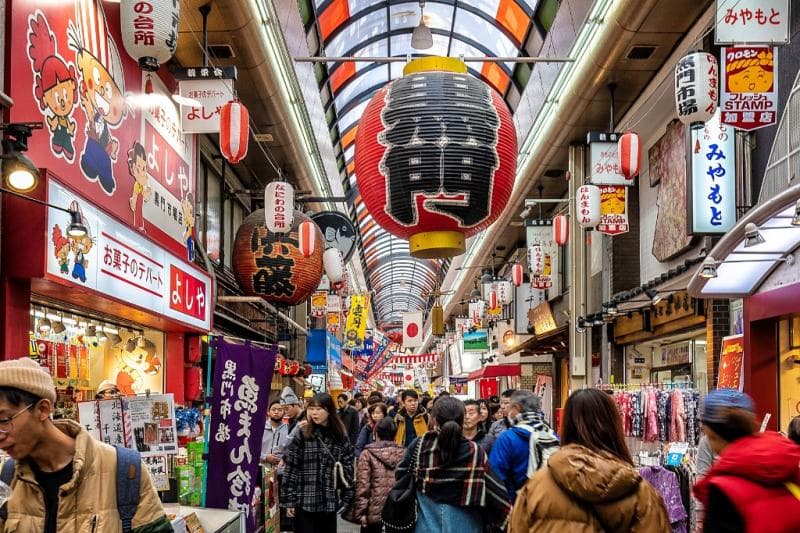
Discover unique souvenirs at Kuromon Ichiba Market in Osaka, Japan, from local gourmet treats to traditional crafts. Perfect for curious travelers.
Overview
Stepping into the Kuromon Ichiba Market in Osaka, Japan, is an immersion into a vibrant culinary landscape often hailed as 'Osaka's Kitchen'. While renowned for its fresh seafood and delectable street food, the market also offers a fascinating array of souvenir shops, seamlessly integrated into its bustling 580-meter long arcade. These shops provide an opportunity for travelers to take a piece of Osaka's rich food culture and traditional craftsmanship home with them. From gourmet edibles like artisanal pickles and regional sweets to uniquely Japanese kitchenware and handcrafted goods, the souvenir offerings at Kuromon Ichiba are as diverse and authentic as the market itself. Here, you can find gifts that embody the spirit of Osaka's famed 'kuidaore' culture – a philosophy of 'eating until you drop' – ensuring that every memento tells a story of flavor and tradition.
History & Cultural Background
The origins of Kuromon Ichiba Market stretch back to approximately 1822, when fish merchants first began selling their wares near Enmyou-ji Temple. The market earned its distinctive name, 'Kuromon' (meaning 'black gate'), from the temple's prominent black-lacquered entrance. Although the temple and its iconic gate were tragically destroyed in the Great Namba-Sennichimae Fire of 1912, the name persisted, becoming a cherished part of Osaka's heritage. Officially recognized as a market in 1902, Kuromon Ichiba grew to become a vital hub, once housing 270 shops and 540 merchants during its peak in the Taisho era. Over the generations, it has served as an indispensable larder for both local households and professional chefs, fostering a deep-rooted sense of community and commerce that continues to thrive today.
What Makes It Special
What sets the souvenir experience at Kuromon Ichiba Market apart is its deep connection to Osaka's culinary identity and everyday life. Unlike typical souvenir stores, the market's offerings are often edible or functional, reflecting its primary role as a food market. Visitors can discover an eclectic mix of gourmet souvenirs, such as expertly crafted tsukemono (pickled vegetables) and mochi-based confections that celebrate seasonal ingredients. Beyond the edible, the market and its vicinity boast specialist shops selling traditional Japanese dishware, high-quality chopsticks, and even professional-grade kitchen knives, appealing to those who appreciate Japanese craftsmanship. The essence of Kuromon's souvenir appeal lies in its authenticity; these aren't just trinkets but items that resonate with the market's long-standing traditions and Osaka's passionate food culture. It offers a tangible link to the city's living history, where family-run shops have been perfecting their craft for generations.
Stories, Fun Facts & Local Details
The market tells a story of evolution, having reinvented itself over two centuries while upholding the Japanese spirit of 'akinai' (commerce). It's a place where you can witness the 'tabe aruki' culture firsthand, a unique Osaka tradition of eating and enjoying food as you stroll through the market. For instance, you might find a shop where a vendor shaves hard katsuobushi (bonito flakes) right before your eyes, releasing an incredible aroma – a perfect, fresh ingredient to take home for making authentic dashi broth. Another fun fact is the sheer variety: while a significant portion of the market is dedicated to fresh seafood, the remaining stalls offer everything from fresh fruits and vegetables to dried goods and traditional Japanese sweets, ensuring a surprise around every corner. Even the Kuromon Information Center, located at the market's southern end, offers unique souvenirs alongside practical services like baggage storage and currency exchange, making it a convenient stop for travelers.
Visitor Perspective
For visitors, exploring the souvenir options at Kuromon Ichiba is an integral part of the overall market experience. To make the most of your visit, it's advisable to arrive before 11:00 AM, when the market is bustling but not yet overly crowded, allowing for a more relaxed browsing and shopping experience. Many stalls close by 5:00 PM or 6:00 PM, so an early start ensures you see the full range of products. While some larger stores accept electronic payments, it's a useful tip to carry cash, especially when purchasing from smaller, local vendors or street food stalls, as cash is often preferred or the only accepted method. Budgeting around ¥10,000 to ¥20,000 for souvenirs can allow for a good selection of authentic items. The market is a sensory delight, with the sights, sounds, and smells contributing to a memorable cultural immersion. Remember to keep an open mind and appreciate the local norms; the way goods are presented and sold often reflects deep-seated traditions.
Coordinates: 135.50698, 34.66457
View on Google Maps💬 How Travelers Describe This Place
Based on community votes
Beautiful
934Must See
741Unique
276Interesting
30Photogenic
16
Traveler Stories
Discover memorable experiences shared by travelers who have visited this place.
No traveler stories yet.
Be the first traveler to share what made this place memorable.

Tour
By
Spot
Discover amazing places around the world. Your journey starts here.
Explore
© 2026 TourBySpot. All rights reserved.