Sound And Light Exhibits
San Francisco, United States
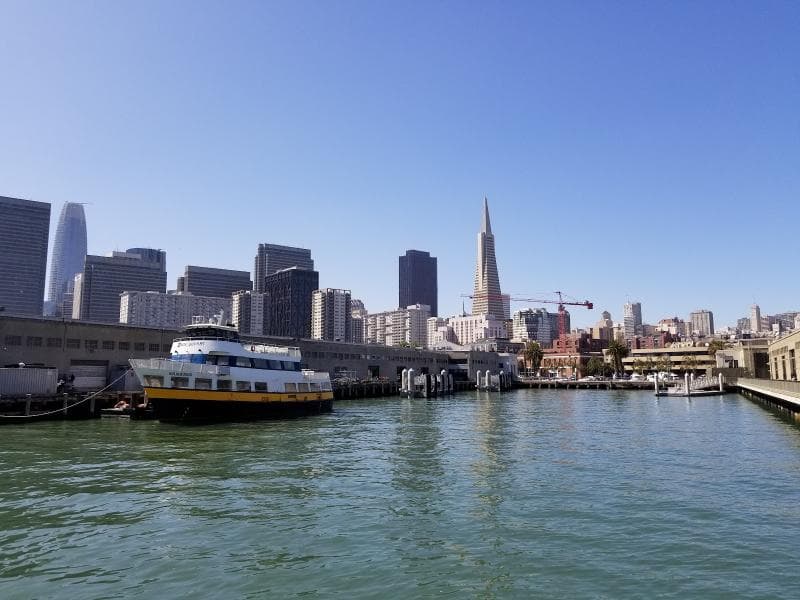
Explore the wonders of Sound and Light Exhibits at the Exploratorium in San Francisco, United States. Discover interactive art and science installations.
Overview
Stepping into the Exploratorium in San Francisco means entering a realm where curiosity is king, and nowhere is this more evident than within its captivating Sound and Light Exhibits. This renowned institution, often described as a public learning laboratory, invites visitors of all ages to engage directly with the fascinating physics of light and sound. Instead of passive observation, here you're encouraged to touch, play, and experiment, delving into how these fundamental phenomena shape our perception of the world. The exhibits are not merely scientific displays; they are carefully crafted experiences that blur the lines between art and science, offering both clear explanations and a sense of wonder.
These interactive installations form a cornerstone of the Exploratorium's approach, making complex concepts accessible and engaging. From exploring the spectrum of visible light to understanding the mechanics of sound waves, the exhibits provide a tangible way to connect with the unseen forces that surround us every day. It's a place where you don't just learn about light and sound; you 'see' and 'hear' them in entirely new ways, fostering a deeper appreciation for their intricate beauty and scientific principles.
History & Cultural Background
The Exploratorium's unique philosophy, particularly regarding its Sound and Light Exhibits, is deeply rooted in the vision of its founder, physicist Frank Oppenheimer. Established in 1969, Oppenheimer conceived of the museum as a response to the need for a more hands-on, experiential approach to understanding the world. He believed strongly that learning was fundamental to good citizenship and envisioned a place where people could confidently ask questions and question answers.
From its inception, the Exploratorium integrated art and science, viewing artists and scientists as 'inquirers' who explore and create new knowledge. Many of the early exhibits, including those focused on light and sound, reflected this interdisciplinary spirit. Originally housed in the Palace of Fine Arts, the museum relocated in 2013 to its current home at Pier 15 on San Francisco's waterfront. This move allowed for a significant expansion of exhibit space, leading to the creation of many new and innovative sound and light installations that continue to evolve Oppenheimer's original vision.
What Makes It Special
What sets the Sound and Light Exhibits apart is their profound emphasis on active participation. Unlike traditional museums, the Exploratorium encourages visitors to become scientists and artists themselves, directly manipulating elements to understand cause and effect. The Bechtel Gallery 3, aptly named 'Seeing & Listening', is a prime example, inviting guests to experiment with their perceptions of light, sound, and heat.
Here, you might find yourself exploring the properties of light through exhibits like 'Colored Shadows', where your own body creates vibrant, multi-hued silhouettes, or observing the intricate patterns formed by light reflected and refracted in 'Sun Painting'. The sound exhibits are equally inventive, allowing you to 'hear' with your bones in 'Sound Bite', experience the directional properties of sound with 'Listening Vessels', or even compose music by moving interactive cubes in the 'Sound Sculpture' exhibit. Each exhibit is designed to reveal the underlying principles of these phenomena, turning abstract concepts into tangible, memorable experiences. The Black Box, another dedicated space, often features immersive art and media installations that push the boundaries of light and sound perception, inviting deep sensory exploration.
Stories, Fun Facts & Local Details
One of the most engaging aspects of the Sound and Light Exhibits is the storytelling embedded within their design. For instance, the 'Aeolian Harp', a large outdoor installation, is literally 'strummed by the wind', creating ethereal music that changes with the natural environment of the Bay. This connects directly to San Francisco's local weather patterns and artistic traditions.
The Exploratorium also hosts special events, such as the annual 'Glow' exhibition, which transforms Pier 15 with large-scale light and sound installations, showcasing commissioned artworks that delve into luminosity and auditory experiences. This vibrant event highlights the museum's ongoing commitment to presenting the cutting edge of art and science. Furthermore, the museum's Artist-in-Residence program continuously brings new perspectives to these fields, allowing artists to develop innovative exhibits that challenge perceptions and foster discovery, often focusing on light and sound as their medium. Over 250 artworks have been created through this program since 1974, ensuring a constantly evolving landscape of sensory exploration.
Visitor Perspective
For the curious traveler, the Sound and Light Exhibits offer more than just a visit; they provide an opportunity for personal discovery. The design encourages visitors to ask 'what if?' and 'how does that work?', fostering a sense of intellectual adventure. You might walk into an exhibit like 'Echo Tube' and spontaneously experiment with your own voice, clapping, or yodeling, marveling as sounds bounce back in unexpected ways.
The overarching feeling is one of empowerment – the realization that understanding complex scientific principles can be as simple and enjoyable as play. It’s a hands-on journey that sparks imagination, prompting visitors to notice the science and art in their everyday surroundings long after they've left the museum. The interactive nature means no two visits are exactly alike, as each person's engagement shapes their unique discoveries within these dynamic displays of light and sound.
Coordinates: -122.3976, 37.8014
View on Google Maps💬 How Travelers Describe This Place
Based on community votes
Beautiful
996Interesting
673Must See
585Unique
143Photogenic
80
Traveler Stories
Discover memorable experiences shared by travelers who have visited this place.
No traveler stories yet.
Be the first traveler to share what made this place memorable.

Tour
By
Spot
Discover amazing places around the world. Your journey starts here.
Explore
© 2026 TourBySpot. All rights reserved.