Solar Energy Floor
Astana, Kazakhstan
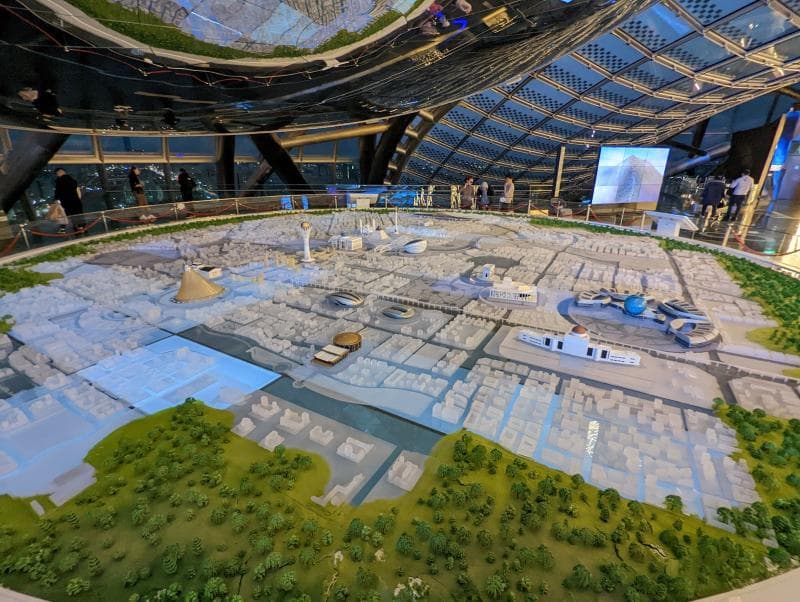
Explore the Solar Energy Floor at Nur Alem Museum in Astana, Kazakhstan, showcasing solar power from ancient times to future tech. Discover interactive exhibits and the museum's unique sustainable design.
Overview
Deep within the colossal sphere of the Nur Alem Museum of Future Energy in Astana, Kazakhstan, lies an illuminating journey into the power of the sun: the Solar Energy Floor. This dedicated exhibit, situated on the sixth level of the iconic building, was designed to immerse visitors in the profound history and future potential of solar power. As a centerpiece of the former EXPO-2017 'Future Energy' exhibition, the Nur Alem sphere itself is a marvel of sustainable architecture, generating its own electricity from integrated photovoltaic panels and wind generators.
The Solar Energy Floor offers a captivating exploration of how humanity has harnessed the sun's boundless energy, from ancient civilizations revering its life-giving warmth to the cutting-edge technologies shaping our sustainable future. It served as a vital educational space, emphasizing that all life on Earth, and indeed all energy, fundamentally originates from the sun. Visitors were invited to engage with interactive displays and thought-provoking concepts that underscored the sun's central role in our world's energy narrative.
History & Cultural Background
The Nur Alem Museum of Future Energy, a monumental 100-meter-high and 80-meter-diameter spherical structure, was the main pavilion of the International Specialized Exhibition EXPO-2017, held in Astana (then Nur-Sultan). Conceived by Adrian Smith + Gordon Gill Architecture, its design embodied the Expo's theme of 'Future Energy,' symbolizing 'the last drop of oil before the era of green technologies.' This visionary building transitioned into Kazakhstan's first technological energy museum after the Expo, featuring eight floors, each dedicated to a different type of energy.
The cultural significance of the sun transcends time and geography. Civilizations across the globe have revered the sun as a divine or life-sustaining force. The Solar Energy Floor subtly wove this historical and cultural context into its narrative, reminding visitors of the sun's enduring importance. Whether it was the Greeks associating it with Apollo, the Egyptians with Ra, or the Japanese with Amaterasu, the sun has always been central to human existence and belief systems, a powerful backdrop to understanding its energy potential.
What Makes It Special
What truly set the Solar Energy Floor apart was its blend of historical reverence and forward-thinking innovation. Unlike a static display, it presented solar energy as a dynamic force, tracing its influence from historical worship to modern scientific application. The exhibit explored diverse methods of harnessing solar power, showcasing its evolution over millennia.
A highlight for many visitors was the 'Solar Tree,' an interactive thermonuclear reaction simulator that offered a glimpse into the immense power generated by stellar processes. Beyond just information, the floor aimed to create an experiential understanding of astrophysics and solar systems, often featuring films about the subject and displaying small models of planets, bringing the vastness of space and the sun's central role within it closer to the visitor. This immersive approach, combined with the museum's own sustainable operations—powered by solar panels on its facade—created a cohesive and inspiring educational experience.
Stories, Fun Facts & Local Details
The entire Nur Alem sphere is a 'fun fact' in itself—it's recognized as the world's largest spherical building, making it a unique landmark in Astana's futuristic skyline. The vision behind its creation, as 'the last drop of oil,' was a powerful statement from Kazakhstan about its commitment to transitioning towards a green economy and promoting renewable energy sources. This philosophical underpinning added a layer of profound meaning to exhibits like the Solar Energy Floor, making the science feel deeply relevant to global challenges.
While exploring the Solar Energy Floor, visitors were encouraged to reflect on the ingenuity of ancient cultures that instinctively understood the sun's power, using it for warmth, light, and agriculture long before modern technology. The interactive nature of the exhibits, such as the Solar Tree simulator, fostered a sense of active participation rather than passive observation, inviting guests to ponder and engage with the scientific principles at play. These elements turned a visit into more than just seeing; it became an act of discovery, aligning with the museum's broader goal of inspiring future energy innovators.
Visitor Perspective
For a curious traveler, the journey through the Nur Alem Museum, culminating at the Solar Energy Floor, would have been a fascinating exploration of humanity's relationship with energy. Ascending through the spherical structure, floor by floor, to reach the sixth level dedicated to the sun, offered a clear narrative progression of energy types. The interactive and educational nature ensured that visitors, from children to adults, could grasp complex concepts about solar power and its critical role in our future.
However, it is important for prospective travelers to note that the Nur Alem Museum of Future Energy has reportedly concluded its operations as a museum. As of December 2024, the building is understood to be undergoing renovation and re-equipment to become the international Alem.AI Centre for Artificial Intelligence. While the physical structure remains a breathtaking architectural marvel and a symbol of Astana's vision, the specific exhibits, including the Solar Energy Floor, are no longer accessible in their original form. Those interested in the museum's legacy can, however, often find virtual tours or historical information on its past exhibitions.
Coordinates: 71.4160066, 51.0892454
View on Google Maps💬 How Travelers Describe This Place
Based on community votes
Photogenic
953Unique
695Beautiful
396Must See
286Interesting
22
Traveler Stories
Discover memorable experiences shared by travelers who have visited this place.
No traveler stories yet.
Be the first traveler to share what made this place memorable.

Tour
By
Spot
Discover amazing places around the world. Your journey starts here.
Explore
© 2026 TourBySpot. All rights reserved.