Skanderbeg Statue
Pristina, Kosovo
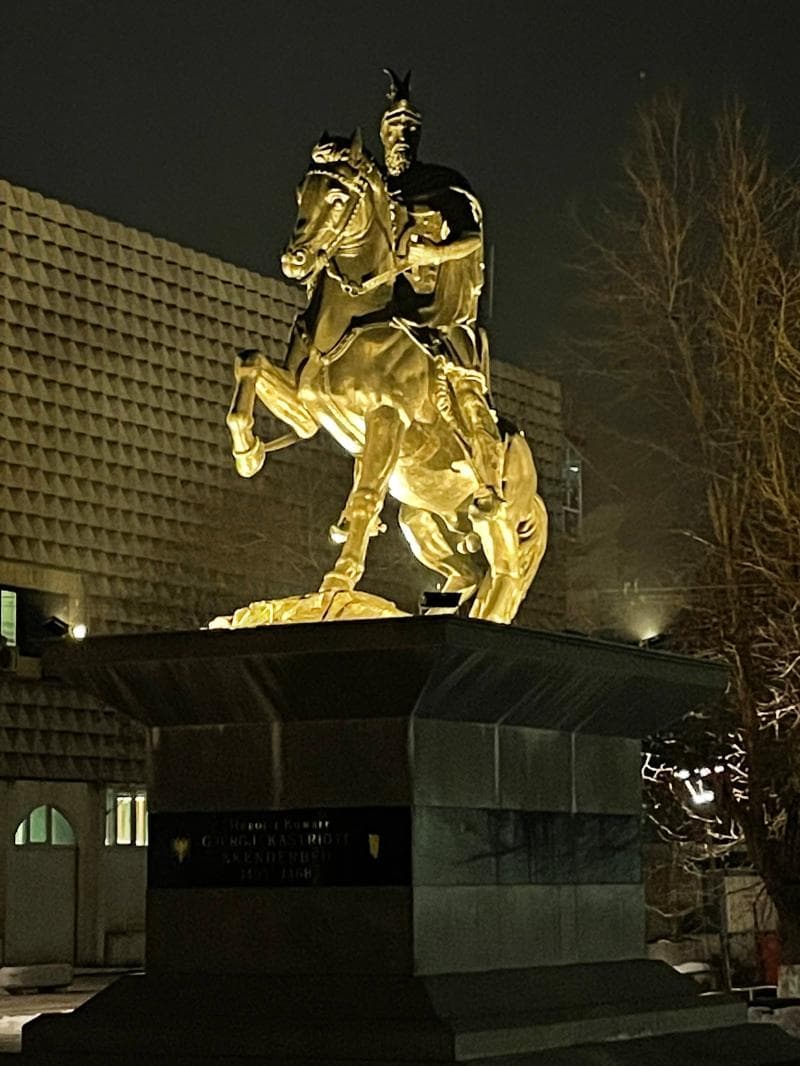
Discover the Skanderbeg Statue in Pristina, Kosovo, a powerful equestrian monument honoring Albania's national hero, Gjergj Kastrioti Skanderbeg.
Overview
In the vibrant heart of Pristina, Kosovo, stands a powerful symbol of national identity and historical resilience: the Skanderbeg Statue. Located centrally within Skanderbeg Square, this impressive equestrian monument honors Gjergj Kastrioti Skanderbeg, a revered 15th-century Albanian nobleman and military commander. The statue is not merely a piece of art; it is a focal point of public life, reflecting the shared cultural heritage between Kosovo and Albania and serving as a constant reminder of a legendary figure's struggle against Ottoman forces.
Skanderbeg Square, where the statue proudly resides, is a bustling hub bordered by other significant landmarks like Rugova Square and Mother Teresa Boulevard. It's a place where locals and visitors converge, offering a glimpse into Pristina's daily rhythm and hosting various cultural and political events throughout the year. The statue's prominent placement on this central pedestrian thoroughfare makes it an unmissable landmark for anyone exploring Kosovo's capital.
History & Cultural Background
The history of the Skanderbeg Statue in Pristina is deeply intertwined with Kosovo's journey and its post-conflict identity. Erected in 2001, just two years after the end of the Kosovo conflict, its placement was a deliberate act by Kosovo Albanians to honor a national hero and assert their cultural ties.
Gjergj Kastrioti Skanderbeg, born in 1405, is celebrated for leading a significant rebellion against the Ottoman Empire for over two decades in the 15th century. His strategic brilliance and unwavering resistance earned him a legendary status, making him a symbol of defiance and the fight for independence.
Interestingly, the Pristina statue is a replica of an existing monument in Krujë, Albania, Skanderbeg's historical stronghold. This bronze depiction, featuring Skanderbeg atop a horse with a raised leg and a sword pointing downwards, was painstakingly transported from Albania to Pristina over a four-day journey, a testament to its profound symbolic importance. Its style shares a distinctive 'socialist aesthetic' seen in other Skanderbeg monuments across the Balkans, notably in Tirana and Skopje, creating a recognizable motif across Albanian-inhabited lands.
What Makes It Special
The Skanderbeg Statue in Pristina stands out not just for its artistic merit but for its profound cultural and historical resonance. It embodies the collective memory and aspirations of the Albanian people. Its equestrian form, with Skanderbeg in a dynamic, almost menacing pose, symbolizes his relentless fight and military prowess.
Beyond its heroic depiction, the statue represents a powerful statement of cultural continuity and shared heritage. For many, it signifies the enduring spirit of resistance and the assertion of identity following a period of conflict. The square itself, encompassing the statue, also features a war memorial and photographic displays dedicated to the victims and missing persons of the Kosovo War, further grounding the monument in contemporary history and remembrance.
The statue's central location in Skanderbeg Square, surrounded by important administrative buildings and cultural institutions, elevates its significance as a civic landmark. It serves as a focal point for national celebrations and commemorations, making it a living monument that actively participates in the city's narrative.
Stories, Fun Facts & Local Details
One of the most captivating stories surrounding the Skanderbeg Statue is its journey from Krujë, Albania, to Pristina. The four-day procession was more than just transportation; it was a symbolic homecoming, connecting Kosovo's capital directly to the historical roots of the Albanian national hero. This act underscored the deep cultural and historical ties between Albania and Kosovo.
Locally, the statue is affectionately regarded as a meeting point and a landmark for navigating the city center. It's common to see people gathering around its base, whether for a casual chat, a protest, or simply to enjoy the lively atmosphere of the square. Information plaques surrounding the statue offer multilingual insights into Skanderbeg's life and historical impact, allowing curious travelers to delve deeper into his legacy.
The 'socialist aesthetic' mentioned by some sources refers to the bold, heroic, and often grand style typical of public sculptures created during the socialist era, which many similar Skanderbeg statues share across the region. This particular artistic choice, even though the statue was erected post-socialism, speaks to a continuity in how national heroes are monumentalized in the Balkans.
Visitor Perspective
Visiting the Skanderbeg Statue offers a rich experience for any traveler interested in history, culture, and the pulse of a city. The statue is easily accessible, situated in a pedestrian-friendly area that invites leisurely exploration. It provides excellent opportunities for photography, with the heroic figure set against the backdrop of Pristina's urban landscape.
Beyond admiring the statue itself, visitors can immerse themselves in the surrounding Skanderbeg Square. The area is brimming with cafes and restaurants, perfect for enjoying local cuisine and observing daily life. Taking a moment to sit and people-watch offers a genuine feel for Pristina's vibrant energy. The flat, paved surfaces around the statue and the square ensure accessibility for all, including those with mobility challenges.
Exploring the statue's details and reading the informational plaques can serve as an excellent starting point for understanding Kosovo's broader historical narrative and its strong sense of national pride. It's a place that encourages reflection on past struggles and celebrates the enduring spirit of a nation.
Coordinates: 21.1638, 42.6636
View on Google Maps💬 How Travelers Describe This Place
Based on community votes
Must See
913Photogenic
748Interesting
499Beautiful
337Unique
94
Traveler Stories
Discover memorable experiences shared by travelers who have visited this place.
No traveler stories yet.
Be the first traveler to share what made this place memorable.

Tour
By
Spot
Discover amazing places around the world. Your journey starts here.
Explore
© 2026 TourBySpot. All rights reserved.