Shinsekai proximity
Osaka, Japan
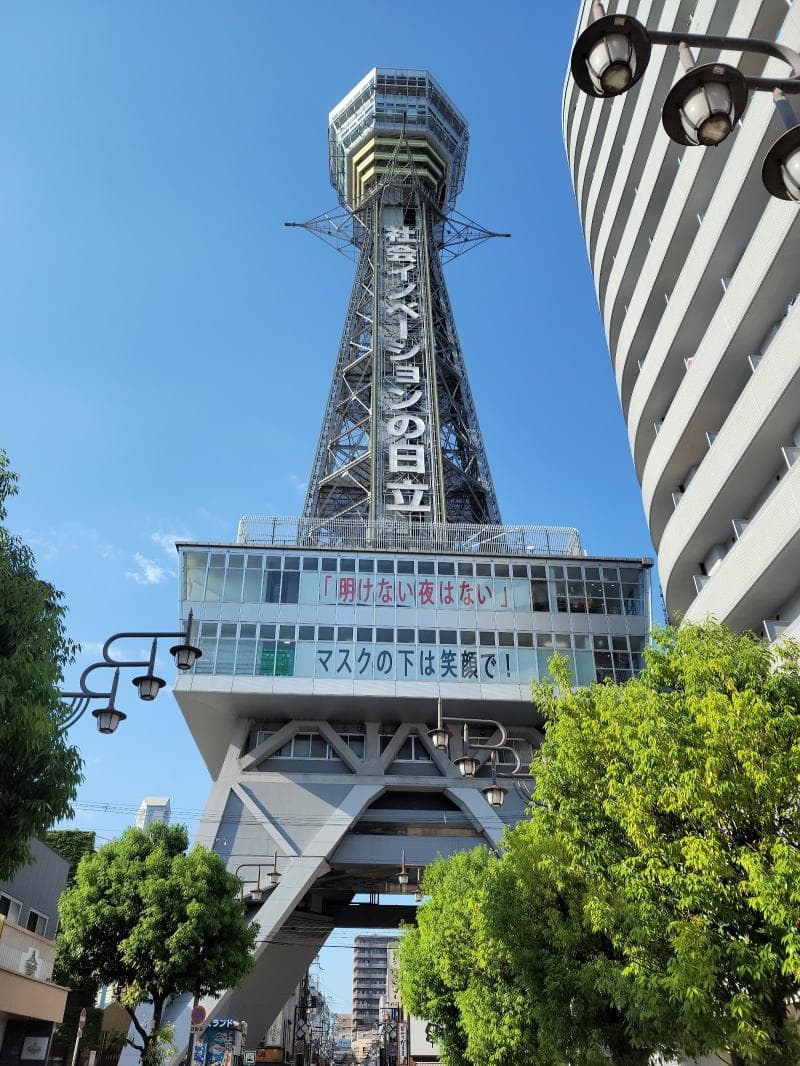
Explore Shinsekai, Osaka's 'New World' district. Discover retro charm, iconic Tsutenkaku Tower, Billiken, and delicious kushikatsu in Japan.
Overview
Stepping into Shinsekai, or 'New World,' in Osaka, Japan, feels like a lively journey back in time. Nestled within the Tennoji Zoo & Park Area, this vibrant district captivates visitors with its unique blend of retro charm, dazzling neon lights, and a distinct atmosphere that is unmistakably Osaka. Dominated by the iconic Tsutenkaku Tower, Shinsekai offers a sensory feast, from the aroma of freshly fried kushikatsu to the bustling sounds of its energetic streets. It's a place where history intertwines with modern-day quirkiness, inviting curious travelers to explore its colorful alleys and discover its enduring spirit.
History & Cultural Background
The origins of Shinsekai trace back to the ambitious vision of early 20th-century Osaka. Following the success of the 1903 National Industrial Exposition, which attracted over five million visitors to the area, plans were set in motion to transform the district into a futuristic entertainment hub. In 1912, Shinsekai was born, with its northern half inspired by the elegance of Paris and its southern half by the amusement parks of Coney Island in New York. The original Tsutenkaku Tower, designed to resemble both the Eiffel Tower and the Arc de Triomphe, proudly stood at its center, connected by Japan's first cable car to the Luna Park amusement park. This 'New World' flourished initially, embodying Osaka's progressive spirit. However, after Luna Park's closure in 1923 and the dismantling of the original tower during World War II, the area experienced a period of neglect. The current Tsutenkaku Tower was rebuilt in 1956, and Shinsekai gradually re-emerged, developing a unique character as an entertainment district, particularly for laborers rebuilding Osaka after the war.
What Makes It Special
Shinsekai's distinctiveness lies in its unapologetic embrace of a bygone era. The current Tsutenkaku Tower, standing 103 meters tall, remains the district's most prominent landmark, offering panoramic city views and even a thrilling slide. Below its watchful gaze, the streets are a kaleidoscope of oversized, colorful 3D signs and glowing neon, creating a 'cyberpunk' aesthetic, especially after dark. A beloved symbol found throughout Shinsekai is Billiken, the cheerful 'god of good fortune,' whose statues are believed to bring luck if you rub the soles of his feet. Culminating the Shinsekai experience is its culinary heart: kushikatsu. This Osaka specialty consists of various skewered, battered, and deep-fried ingredients, from meats and vegetables to even desserts. A visit to Shinsekai is incomplete without savoring these delicious skewers, particularly from renowned establishments like Daruma, and adhering to the famous 'no double-dipping' rule in the communal sauce. The bustling Jan-Jan Yokocho alley, filled with eateries and retro game centers, further adds to the district's nostalgic charm.
Stories, Fun Facts & Local Details
The 'no double-dipping' rule for kushikatsu is a quintessential Shinsekai anecdote, said to have originated in the district's oldest shops to maintain hygiene in shared sauce containers. It's a simple rule but one that locals and visitors alike respect, adding a touch of playful tradition to the dining experience. Billiken's origins are surprisingly American; created by an art teacher, the first statue arrived in Japan for Luna Park in 1912. Though the original disappeared, his joyful image was revived and has since become an emblem of Shinsekai, representing optimism and good luck. The name 'Jan-Jan Yokocho' is said to echo the sounds of shamisen music that once enticed patrons into its small shops and bars, creating a lively atmosphere. As night falls, Shinsekai truly comes alive; the bright neon lights reflecting in puddles transform the streets into a scene often compared to a 'Blade Runner' movie, offering an unpolished yet authentic glimpse into Osaka's energetic nightlife.
Visitor Perspective
For a curious traveler, Shinsekai offers an immersive dive into Osaka's 'old-school' charm. It's a place where every turn reveals a photo opportunity, from the bold facades of eateries to the intricate details of the Tsutenkaku Tower. The district invites exploration, encouraging visitors to wander through its covered arcades, try their luck at retro games, and soak in the bustling street life. It evokes a strong sense of nostalgia, even for those who have never experienced this era before, making it a truly unique destination. Beyond the visual spectacle, the true essence of Shinsekai is found in its lively, down-to-earth culture and, of course, its food. Engaging with the local custom of enjoying kushikatsu, searching for Billiken statues, and simply observing the blend of past and present makes for a memorable and authentic Osaka experience, showcasing a side of the city that is both historical and vibrantly alive.
Coordinates: 135.5045, 34.65864
View on Google Maps💬 How Travelers Describe This Place
Based on community votes
Must See
934Beautiful
276Photogenic
152Unique
30Interesting
16
Traveler Stories
Discover memorable experiences shared by travelers who have visited this place.
No traveler stories yet.
Be the first traveler to share what made this place memorable.

Tour
By
Spot
Discover amazing places around the world. Your journey starts here.
Explore
© 2026 TourBySpot. All rights reserved.